
Tissue Culture of the Nervous System

Tissue Culture of the Nervous System

Gordon Sato

66,22 €
IVA incluido
Disponible
Editorial:
Springer Nature B.V.
Año de edición:
2012
Materia
Zoología y ciencias animales
ISBN:
9781468429060
66,22 €
IVA incluido
Disponible

Selecciona una librería:

  • Librería Samer Atenea
  • Librería Aciertas (Toledo)
  • Kálamo Books
  • Librería Perelló (Valencia)
  • Librería Elías (Asturias)
  • Donde los libros
  • Librería Kolima (Madrid)
  • Librería Proteo (Málaga)

The impetus for compiling this book was the recent development of culture strains of neuroblastoma and glial cells and the immediate and enthusiastic way they have been taken up as model systems. After the first sudden rush of activity, it seems appropriate to pause, to assess progress, and to contemplate the future contributions that may be possible using these culture techniques. Long before the advent of established strains, cultures of nervous tissue had already contributed to neurobiology. Ross Harrison, in 1906, in a single experimental series, established tissue culture as a promising new technique in cell biology and settled the Golgi-Cajal controversy as to whether axonic processes originated as outgrowths from the cell body or were formed first in the intercellular spaces and were later connected to the cell body. Harrison observed process growth from nerve cells in cultures, thus settling the matter in favor of Cajal. Of great importance to neurobiology is the discovery by Rita Levi-Montalcini of nerve growth factor. Cultures of spinal ganglia played a major role in the discovery, isolation, and characterization of the factor (Levi-Montalcini et ai. , 1954). In my opinion, this discovery, although very well known, has not yet been adequately recognized for its germinal influence on neurobiology and embryology. Progress since the advent of clonal cultures has been more modest. I would like to cite two pieces of work which emphasize the technical ad­ vantages of these cultures.

Artículos relacionados

  • Animaltown
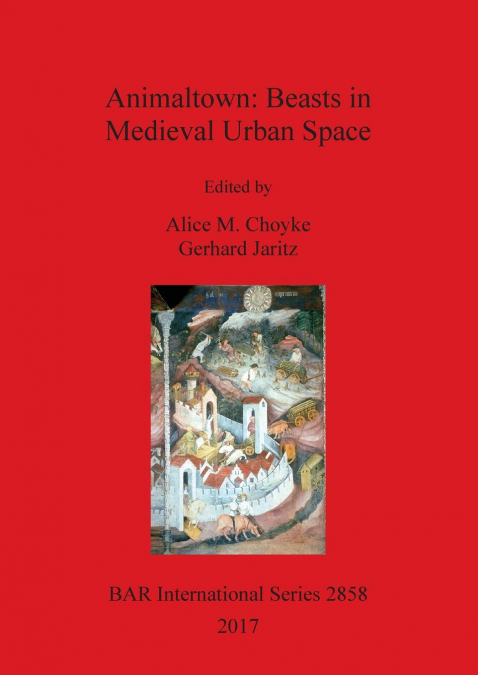
    Urban space constitutes a place where people and animals live together in close proximity with each other, creating changing landscapes of co-existence, conflict, mutual dependencies and exploitation. The medieval animals found in the articles of Animaltown: Beasts in Medieval Urban Space, appear in text and image, as well as archaeological find materials in the form of butcher...
    Disponible

    109,24 €

  • Pleasurable Kingdom
    Jonathan Balcombe
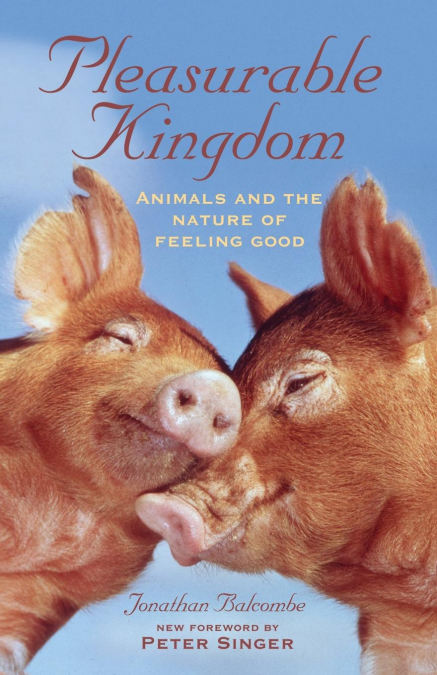
    Pleasurable Kingdom presents new evidence that animals--like humans--enjoy themselves. From birds to baboons, insects to iguanas, animals feel good thanks to play, sex, touch, food, anticipation, comfort, aesthetics, and more. Combining rigorous evidence, elegant argument and amusing anecdotes, leading animal behavior researcher Jonathan Balcombe shows that the possibility of p...
    Disponible

    18,96 €

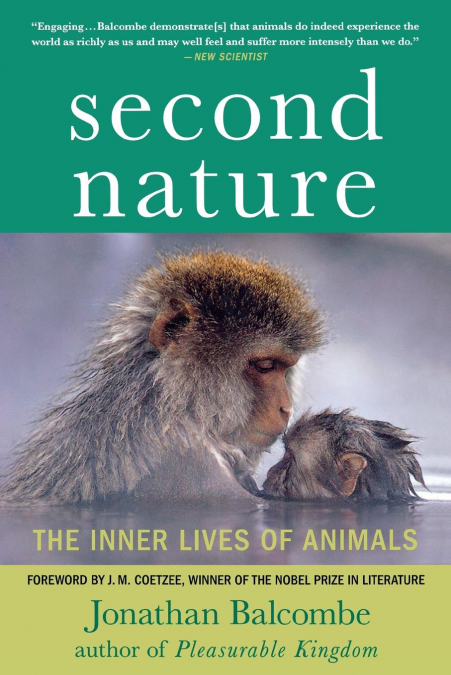
  • SECOND NATURE
    Jonathan Balcombe
    ...
    Disponible

    16,52 €

  • Experimental Zoology
    Manisha R Gejage / Ramesh M Gejage
    The goal of the book is to present the practical knowledge of Zoology. Animal diversity, venomous and non-venomous snakes, study of birds, brain of fowl and hyoid apparatus, sclerotic plates, pecten and collumella of fowl, scales of fishes, biochemical tests, activity of salivary amylase, estimation of total protein and lipid, DNA isolation and estimation of uric acid are given...
  • TOXICOLOGY
    M A SUBRAMANIAN
    In an era defined by burgeoning human populations, rampant industrialization, cutting-edge technological progress, and expanding urban landscapes, the integrity of our natural environment faces unprecedented challenges. The relentless march of progress has ushered in a flood of chemicals, seeping into the very fabric of our ecosystems and posing insidious threats to biological ...
    Disponible

    23,69 €

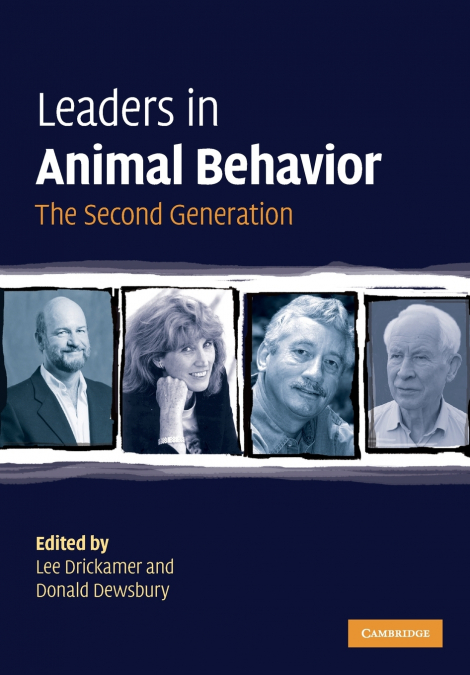
  • Leaders in Animal Behavior
    Donald Dewsbury / Lee Drickamer
    ...
    Disponible

    64,68 €