Librería Samer Atenea
 Kálamo Books
 Librería Elías (Asturias)
 Librería Kolima (Madrid)
 Librería Proteo (Málaga)
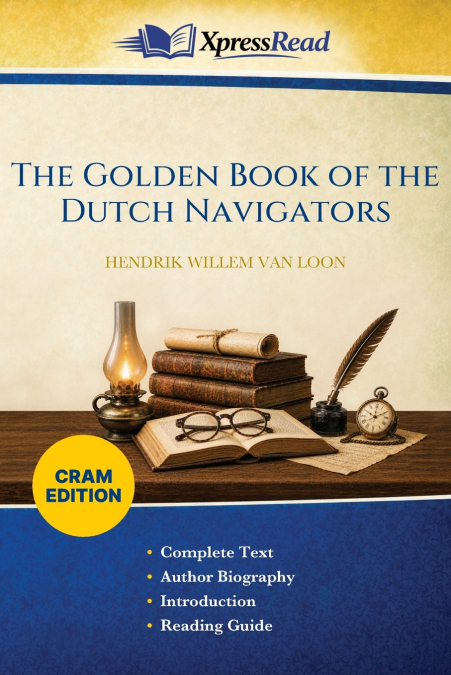
How did human beings build civilizations—and why did those civilizations change? Follow the ideas, discoveries, and conflicts that helped make the world we know.First published in 1921, Hendrik Willem Van Loon’s The Story of Mankind introduces young readers to history through conversational storytelling. Moving from prehistoric life through ancient Egypt, Greece, and Rome toward the modern West, it connects people and events across centuries. Socrates, Caesar, Charlemagne, Newton, and Napoleon appear within a larger account of changing beliefs, political power, and human curiosity.Rather than treating the past as a list of dates, Van Loon asks what drove societies to grow, struggle, and transform. Religion, philosophy, science, democracy, revolution, and war become parts of an unfolding narrative. The first book to receive the Newbery Medal, this enduring work also offers a window into how an early twentieth-century writer understood civilization, with a strong emphasis on the Western historical tradition.What readers find inside:Ancient Civilizations — Egypt, Greece, and Rome provide foundations for exploring later institutions and ideas.People Who Shaped Events — Thinkers, rulers, and discoverers bring large historical changes into human focus.Belief and Power — Religious movements and political upheavals reveal how societies remake their values and institutions.Science and Discovery — New ways of investigating nature help explain profound changes in human life.History as Narrative — A direct, conversational voice encourages readers to look for connections rather than isolated facts.A rewarding choice for teens beginning to explore world history, families who enjoy discussing the past, and adult readers drawn to classic narrative nonfiction.Begin a journey through the centuries and discover the questions that connect earlier civilizations with our own.Large print edition: 16-point type for comfortable reading. 10