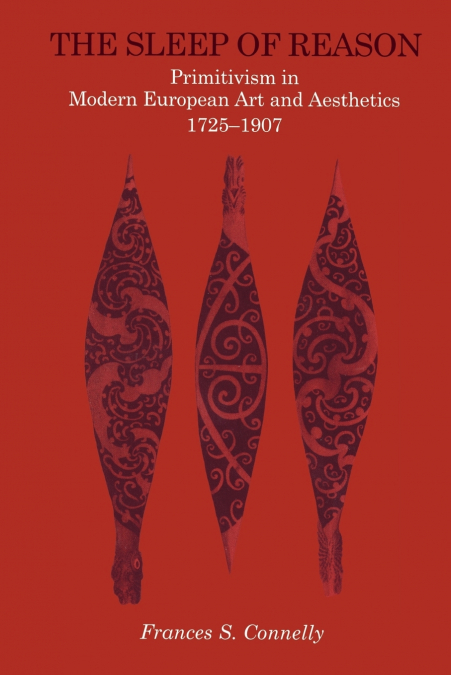
The Sleep of Reason

The Sleep of Reason

Frances S. Connelly / Frances SConnelly

73,65 €
IVA incluido
Disponible
Editorial:
Penn State University Press
Año de edición:
1998
Materia
Artes: aspectos generales
ISBN:
9780271018270
73,65 €
IVA incluido
Disponible

Selecciona una librería:

  • Librería Samer Atenea
  • Kálamo Books
  • Librería Elías (Asturias)
  • Librería Kolima (Madrid)
  • Librería Proteo (Málaga)

Art historians have in the past narrowly defined primitivism, limiting their inquiry to examples of direct stylistic borrowing from African, Oceanic, or Native American imagery. The drawbacks of such an approach have become increasingly apparent, the most problematic being its perpetuation of the notion that certain traditions are indeed 'primitive.' Frances Connelly argues that 'primitive' art was not a style at all, but a cultural construction by modern Europeans, a cluster of concepts principally forged during the Enlightenment concerning the nature of the origins of artistic expression. She contends that, instead of the paintings of Gauguin, the publication of Vico’s New Science in 1725 lies much closer to the origins of primitivism because it first articulated the essential framework of ideas through which Europeans would understand 'primitive' expression. Based upon a close reading of eighteenth- and nineteenth-century sources, including voyage accounts, ethnographies, aesthetic theories, and popular journals, The Sleep of Reason establishes that the term 'primitive' art did not refer so much to actual stylistic traditions but to a collection of visual attributes that Europeans construed to be universal characteristics of 'primitive' expression, specifically the hieroglyph, the grotesque, and the ornamental. Connelly provides case studies of artists and aestheticians who advocated, attempted, or realized the assimilation of these 'primitive' characteristics, including some artists never before associated with primitivism as well as significant re-evaluations of Gauguin and Picasso. 6
Artículos relacionados

  • The Art of Math and Science
    Jayanti Tambe
    The Art of Math and Science guides teachers to introduce masterpiece art to young children, so they can tell you about “paints with hidden floats” and ask questions like, “When painting the Sistine Chapel, do you think Michelangelo had many headaches?”This book helps parents and educators look at the subject through the prism of mathematical and scientific experiences. This boo...
  • Art and the Monad
    Keith Lincoln Cook
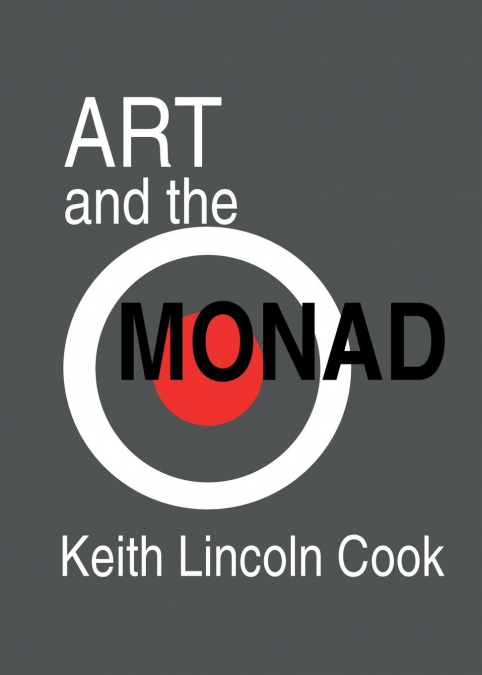
    Keith Lincoln Cook's essay centres on his diagram of the monad: a circular diagram, showing the relationship between external stimuli, the intellect and the emotions. Although everyone should be able to freely respond to the vast amount of external stimuli collected by the senses, many people will block off their responses, collecting the stimuli in the band of intellect an...
    Disponible

    6,17 €

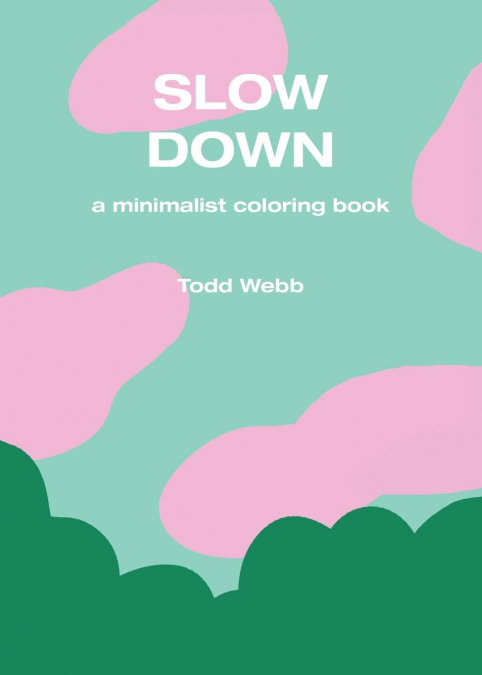
  • Slow Down
    Todd Webb
    Color everything and color nothing on your path to mindfulness with this playful coloring book!Packed with just enough to keep you entertained in the present moment, SLOW DOWN is sure to become your go-to meditation guide as you color your way to a calmer, less stressful life. With simple illustrations and inspirational text it makes a great gift! "Art's purpose is to sober...
    Disponible

    12,17 €

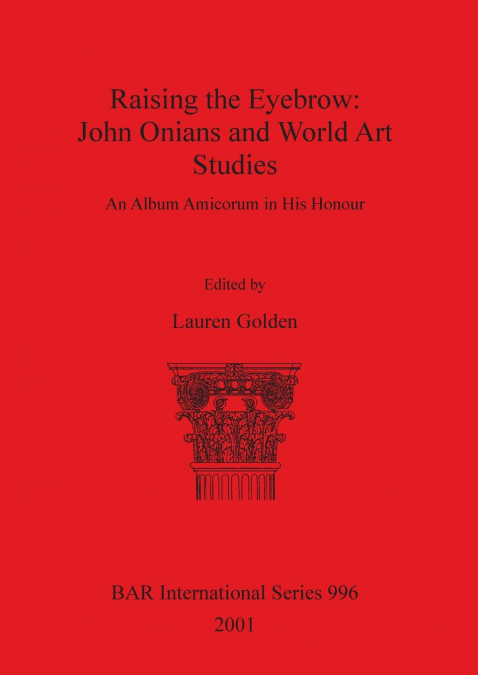
  • Raising the Eyebrow
    Lauren Golden
    A lavish festschrift to John Onians with contributions by 28 distinguished academics. Any summary as to the direction of these contributions is, perhaps, best left to Martin Kemp and his affectionate preface, “Above all, he (John Onians) reminds us of the researchers’, writers’ and teachers’ true mission, that is the need to be radical in both asking and answering questions, an...
    Disponible

    182,20 €

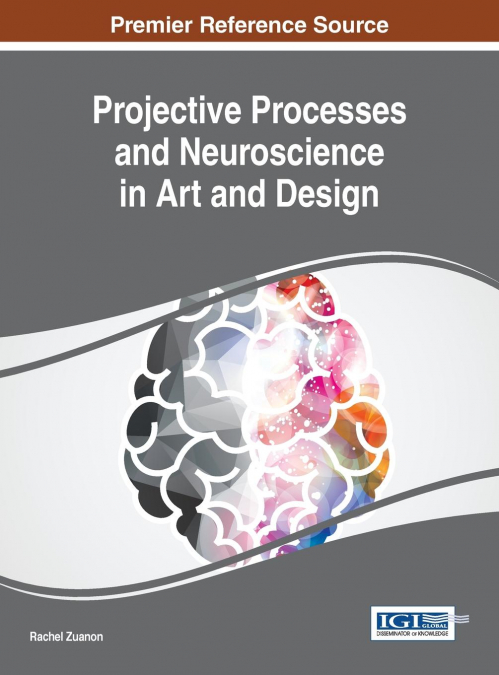
  • Projective Processes and Neuroscience in Art and Design
    Rachel Zuanon
    Recent advances in neuroscience suggest that the human brain is particularly well-suited to design things: concepts, tools, languages and places. Current research even indicates that the human brain may indeed have evolved to be creative, to imagine new ideas, to put them into practice, and to critically analyze their results. Projective Processes and Neuroscience in Art and De...
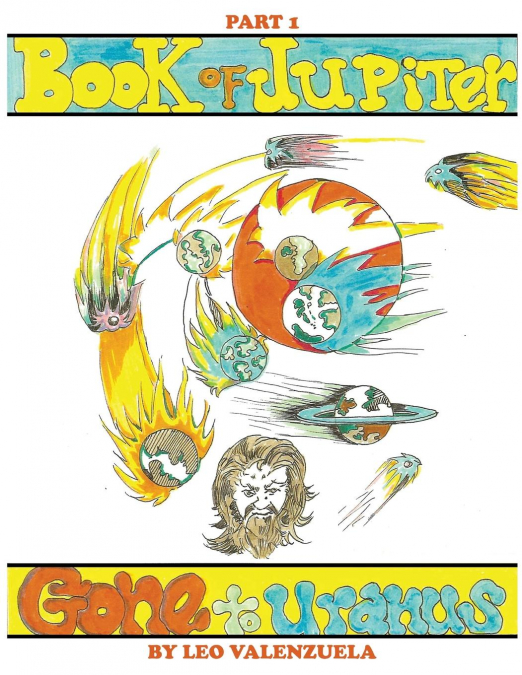
  • Book of Jupiter
    Leo Valenzuela
    Book of Jupiter: Gone to Uranus is a work of imagination and fantasy by Leo Valenzuela. Explore a variety of unique creatures with interesting dialogue which included a few step tutorials on how to draw his style of work. 3 ...
    Disponible

    24,25 €

Otros libros del autor