 Librería Samer Atenea
 Kálamo Books
 Librería Elías (Asturias)
 Librería Kolima (Madrid)
 Librería Proteo (Málaga)
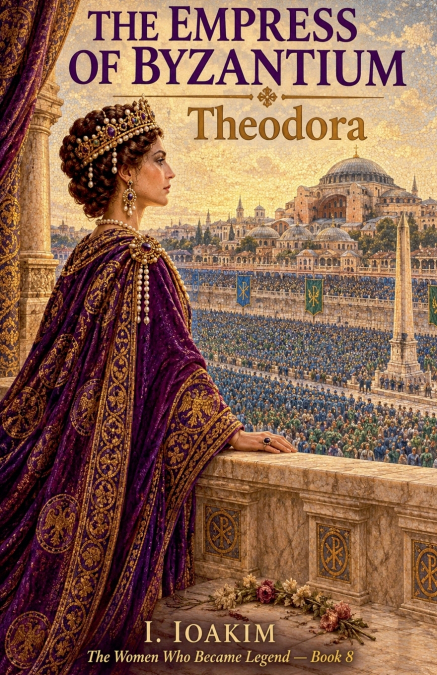
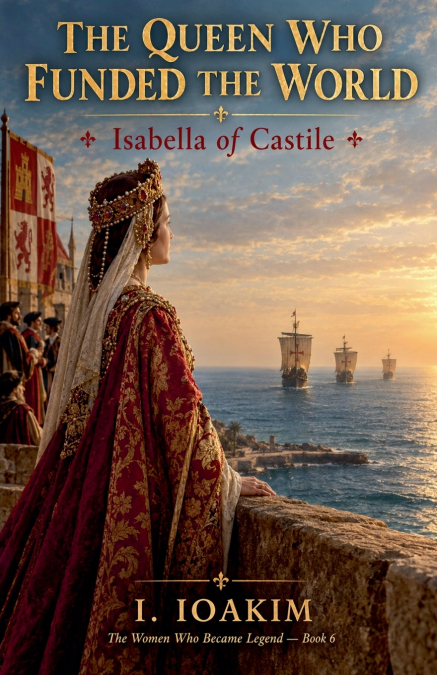
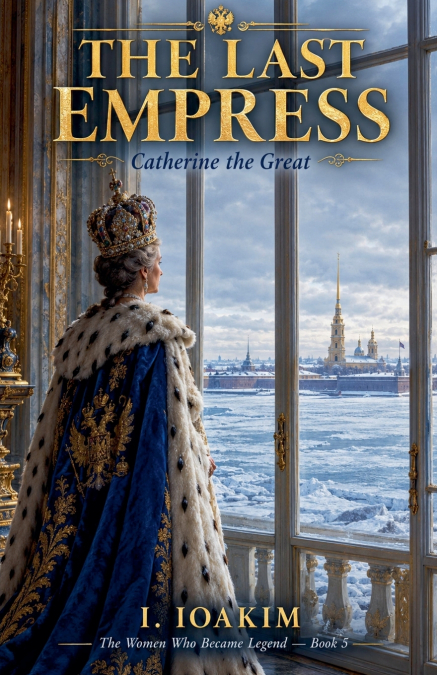
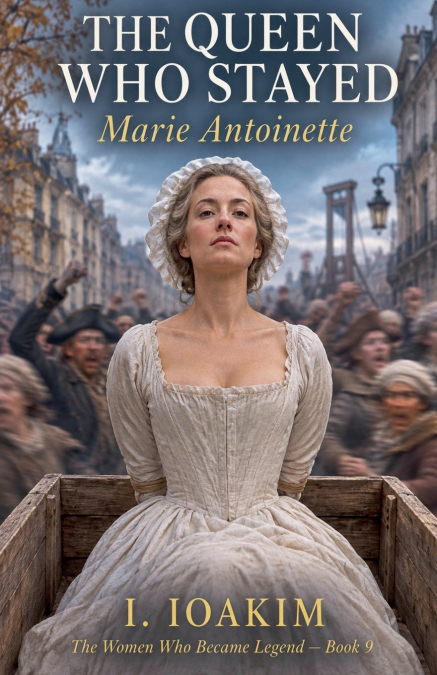
On the morning of 16 October 1793 a woman of thirty-seven was taken from a cell in the Conciergerie, her hands tied behind her back, her hair cut short, and put into an open cart. She wore a plain white gown. She had been condemned at four o’clock that morning and had spent the hours since writing a letter that no one would deliver. The painter Jacques-Louis David, watching from a window on the rue Saint-Honoré, made a quick pen sketch of her: stiff, upright, chin raised. It is the most truthful portrait of her that survives.She is Marie Antoinette. The most famous queen in French history, and one of the least understood.The Queen Who Stayed: Marie Antoinette is a literary historical novel that follows her whole life. She was born in Vienna, the fifteenth child of the Empress Maria Theresa, and was sent to France at fourteen to seal an alliance. She was badly educated, married to a boy who could not make her a wife for seven years, and made queen at eighteen. The book covers Trianon, the debts and the fashion, the pamphlets, the Diamond Necklace affair that ruined her reputation though she had no part in it, and the winter of the empty treasury.Then comes the Revolution: the death of her eldest son, the women’s march on Versailles, the flight to Varennes, the Tenth of August, the Temple, the death of the king, the loss of her second son, the Conciergerie and the trial.It is honest about the myths. She almost certainly never said 'Let them eat cake'; the words appear in Rousseau when she was a child in Vienna. The book also does not excuse her. She urged her husband to resist when concessions might have saved the monarchy, and she very probably passed military information to Austria. It shows both the queen the pamphlets invented and the one who, in the last four years of her life, found a courage that her enemies never forgave.The Queen Who Stayed is the ninth book in The Women Who Became Legend series by I. Ioakim.