 Librería Samer Atenea
 Kálamo Books
 Librería Elías (Asturias)
 Librería Kolima (Madrid)
 Librería Proteo (Málaga)
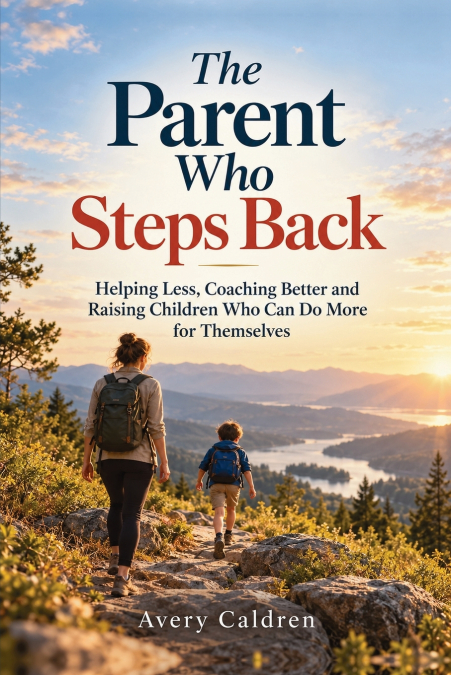
When does helping your child become doing too much for them? Every parent wants to protect their children from mistakes, disappointment and unnecessary difficulty. Yet the instinct to step in, solve problems and make life easier can sometimes prevent children from discovering what they are capable of doing themselves. In The Parent Who Steps Back, Avery Caldren explores one of the most important transitions in parenting: moving from managing a child’s everyday life towards offering the guidance, encouragement and confidence that growing independence requires. From forgotten school belongings and difficult friendships to sporting disappointments, personal decisions, digital privacy and the growing responsibilities of adolescence, this thoughtful and practical book examines when parental involvement genuinely helps and when it may be time to allow children greater ownership. Drawing on developmental research and recognisable family experiences, Caldren explains why independence cannot be measured by age alone, why manageable frustration differs from genuine distress and why allowing consequences should never mean abandoning compassion. Above all, this is not a book about withdrawing affection, enforcing premature independence or leaving children to struggle without support. It is about learning to recognise when to guide, when to protect, when to listen and when to trust a child to take the next step. Because raising capable children is not about becoming less available. It is about helping them need less intervention while knowing they can still count on you. Disclaimer: This book provides general parenting information for educational purposes and is not a substitute for individualised medical, psychological, educational or legal advice. Seek qualified professional guidance where appropriate, particularly regarding safety, developmental concerns or mental health. All trademarks and registered trademarks mentioned belong to their respective owners. Their inclusion does not imply affiliation, sponsorship or endorsement.