 Librería Samer Atenea
 Kálamo Books
 Librería Elías (Asturias)
 Librería Kolima (Madrid)
 Librería Proteo (Málaga)
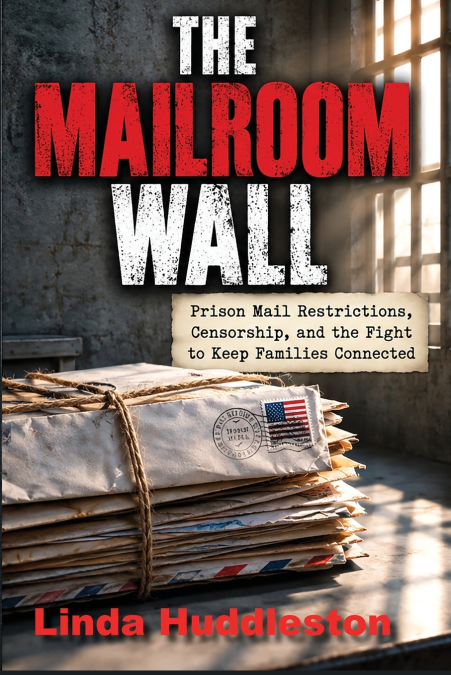
A letter can travel hundreds of miles and still never reach the person it was meant for.For millions of families affected by incarceration, correspondence is a lifeline connecting parents with children, spouses with partners, and incarcerated individuals with the people they love. Yet between the sender and recipient stands a system few Americans ever see: the prison mailroom.The Mailroom Wall: Prison Mail Restrictions, Censorship, Delays, and Communication with the Outside World examines the policies and practices that determine what correspondence enters correctional facilities, how it is processed, and what happens when letters are delayed, rejected, withheld, or lost.Federal and state correctional systems have different rules governing personal letters, photographs, greeting cards, publications, and legal correspondence. Families often struggle to understand what they can send, where it must go, and why previously accepted items are suddenly prohibited.The book explores the growing use of centralized mail-processing facilities and private contractors, including systems that redirect original correspondence for scanning and electronic delivery. These practices raise important questions about privacy, reliability, access to original documents, and accountability.Among the subjects examined are:Federal and state prison mail policies.Restrictions on letters, photographs, cards, and publications.Mail inspections, censorship, delays, and missing correspondence.Centralized processing and private contractors.Electronic scanning, digitization, and privacy concerns.Legal correspondence and communication rights.Complaint procedures, transparency, and accountability.The impact of interrupted communication on families.A delayed letter can mean missing important family news. A rejected photograph can mean losing a connection to a child or spouse. When correspondence disappears without explanation, families are left with uncertainty and frustration.This book recognizes the legitimate security responsibilities of correctional institutions while examining whether mail policies are fair, consistently applied, and subject to meaningful oversight.Who controls the passage of correspondence? What protections exist when mail is withheld? What responsibilities belong to private contractors? And who answers when the system fails?The Mailroom Wall is intended for families of incarcerated individuals, correctional professionals, attorneys, criminal justice students, journalists, researchers, prison reform advocates, and readers interested in incarceration, communication, privacy, and institutional accountability.Because a letter should never have to climb a wall to reach the people who matter most.