AA.VV
 Librería Samer Atenea
 Kálamo Books
 Librería Elías (Asturias)
 Librería Kolima (Madrid)
 Librería Proteo (Málaga)
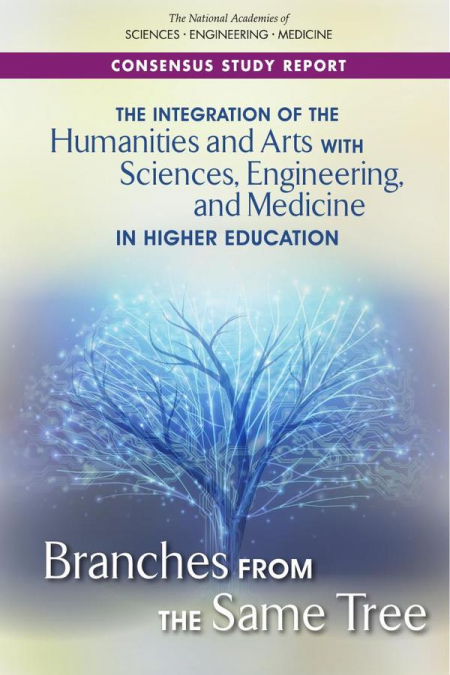
In the United States, broad study in an array of different disciplines —arts, humanities, science, mathematics, engineering— as well as an in-depth study within a special area of interest, have been defining characteristics of a higher education. But over time, in-depth study in a major discipline has come to dominate the curricula at many institutions. This evolution of the curriculum has been driven, in part, by increasing specialization in the academic disciplines. There is little doubt that disciplinary specialization has helped produce many of the achievement of the past century. Researchers in all academic disciplines have been able to delve more deeply into their areas of expertise, grappling with ever more specialized and fundamental problems.Yet today, many leaders, scholars, parents, and students are asking whether higher education has moved too far from its integrative tradition towards an approach heavily rooted in disciplinary ’silos’. These ’silos’ represent what many see as an artificial separation of academic disciplines. This study reflects a growing concern that the approach to higher education that favors disciplinary specialization is poorly calibrated to the challenges and opportunities of our time.The Integration of the Humanities and Arts with Sciences, Engineering, and Medicine in Higher Education examines the evidence behind the assertion that educational programs that mutually integrate learning experiences in the humanities and arts with science, technology, engineering, mathematics, and medicine (STEMM) lead to improved educational and career outcomes for undergraduate and graduate students. It explores evidence regarding the value of integrating more STEMM curricula and labs into the academic programs of students majoring in the humanities and arts and evidence regarding the value of integrating curricula and experiences in the arts and humanities into college and university STEMM education programs.