Librería Samer Atenea
 Kálamo Books
 Librería Elías (Asturias)
 Librería Kolima (Madrid)
 Librería Proteo (Málaga)
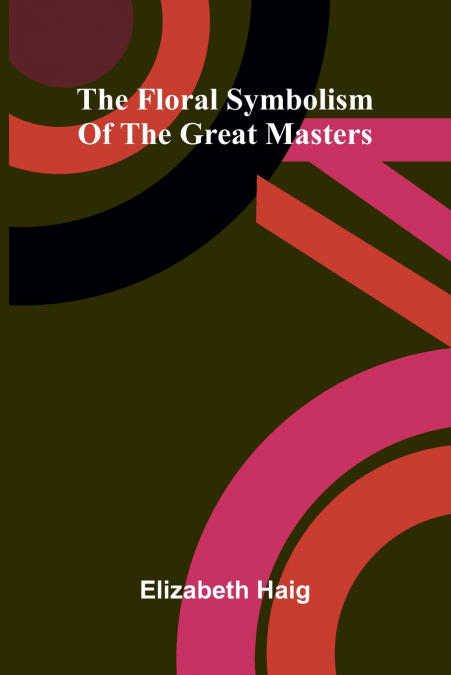
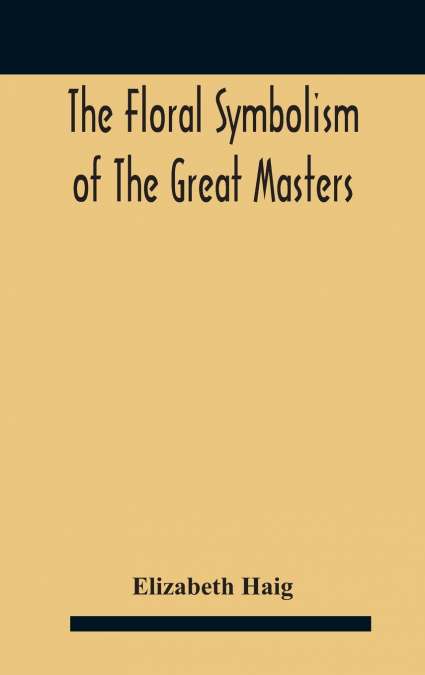
Discover the secret language of blooms beneath the brushstrokes of the great masters. Flowers speak in painted silence. In The Floral Symbolism Of The Great Masters, Elizabeth Haig decodes how blossoms act as signs within European painting: part art history book and part illustrated art reference, it pairs lucid classical art analysis with close attention to motif and colour. Haig traces floral vocabulary from Renaissance to Romanticism, showing how the meaning of flowers shifts between devotional altarpieces, court portraiture and domestic still life. The writing balances scholarly observation with accessible explanation, making floral symbolism in art intelligible to casual readers while serving as a practical art students guide. Whether you are studying iconography, preparing museum notes, or simply curious about petals in portraiture, Haig’s clear-eyed commentary turns each spray and garland into an interpretive key.Haig’s book has lasting literary and historical significance as an early, methodical study that links folklore, devotional symbolism and artistic convention within wider european art traditions. Republished by Alpha Editions in a careful modern edition, this volume preserves the spirit of the original while making it effortless to enjoy today - a heritage title prepared for readers and collectors alike. Useful for coursework and for curious visitors, it supports art symbolism studies and offers a steady reference for those studying the masters of floral art. Concise enough for quick reference yet rich in cultural context, it makes a thoughtful museum enthusiasts gift and reads well on the shelf of classic-literature collectors and gallery-goers who want a deeper sense of the coded language within their favourite paintings.Readable and authoritative, the volume doubles as a field companion for gallery visits and an elegant reference on the shelf. Students find crisp examples to support essays; curators and collectors appreciate Haig’s clear readings within european art traditions. As an accessible illustrated art reference that bridges popular plant lore and careful classical art analysis, it sits comfortably in a student’s satchel or a collector’s library - a refined aid to decoding symbolism in painting.