Inicio > Economía, finanzas, empresa y gestión > Economía > Economía internacional > The Evolution of the International Economic Order
The Evolution of the International Economic Order

The Evolution of the International Economic Order

William Arthur Lewis

47,73 €
IVA incluido
Disponible
Editorial:
Princeton University Press
Año de edición:
2015
Materia
Economía internacional
ISBN:
9780691609683
47,73 €
IVA incluido
Disponible

Selecciona una librería:

  • Librería Samer Atenea
  • Librería Aciertas (Toledo)
  • Kálamo Books
  • Librería Perelló (Valencia)
  • Librería Elías (Asturias)
  • Donde los libros
  • Librería Kolima (Madrid)
  • Librería Proteo (Málaga)

Do rich industrial nations underestimate the threat to their economic stability posed by demands for a new international economic order? Are the developing countries wrong to assume that their economic advancement depends on a transfer of wealth from the richer nations? Sir W. Arthur Lewis’s provocative analysis of the present economic order and its origins suggests that the answer to both questions is yes.Professor Lewis perceptively illuminates aspects of recent economic history that have often been overlooked by observers of international affairs. He asks first how the world came to be divided into countries exporting manufactures and countries exporting primary commodities. High agricultural productivity and a good investment climate allowed countries in Northwest Europe to industrialize rapidly, while the favorable terms of trade they enjoyed assured them and the temperate lands to which Europeans migrated of continuing dominance over the tropical countries. At the core of the author’s argument lies the contention that as the structure of international trade changes, the tropical countries move rapidly toward becoming net importers of agricultural commodities and net exporters of manufactures. Even so, they continue to depend on the markets of the richer countries for their growth, and they continue to trade on unfavorable terms. Both of these disadvantages, he concludes, stem from large agricultural sectors with low productivity and will disappear only as the technology of tropical food production is revolutionized.Originally published in 1978.The Princeton Legacy Library uses the latest print-on-demand technology to again make available previously out-of-print books from the distinguished backlist of Princeton University Press. These editions preserve the original texts of these important books while presenting them in durable paperback and hardcover editions. The goal of the Princeton Legacy Library is to vastly increase access to the rich scholarly heritage found in the thousands of books published by Princeton University Press since its founding in 1905.
Artículos relacionados

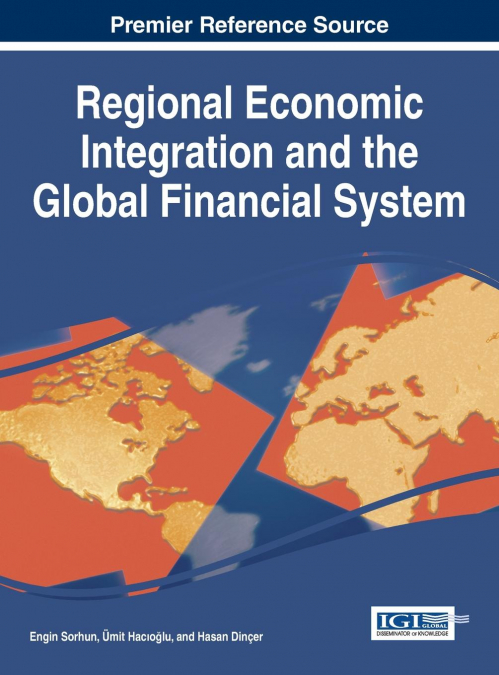
  • Regional Economic Integration and the Global Financial System
    Engin Sorhun / Hasan Dinçer / Unit Hacioglu
    In theory, regionalism and globalization are intended to be viewed as two separate concepts. However, as long as the approaches complement each other, considering these paradigms in tandem can have significantly positive effects on the overall status of the world economy. Regional Economic Integration and the Global Financial System addresses recent trends in regional integrati...
    Disponible

    262,55 €

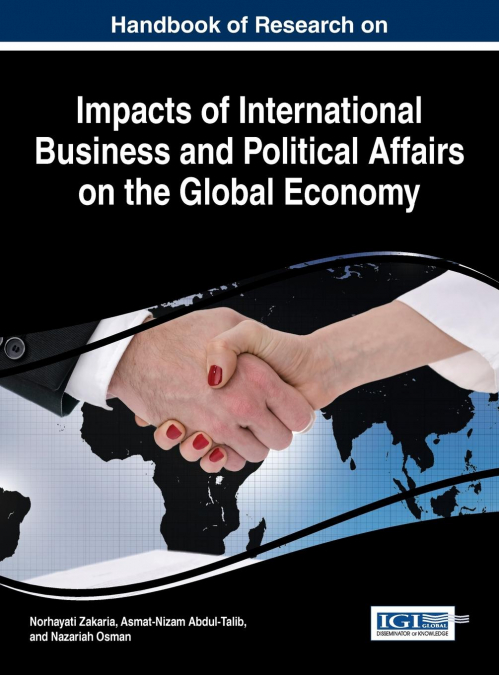
  • Handbook of Research on Impacts of International Business and Political Affairs on the Global Economy
    The growth of global commerce depends on many different factors and strategies in order for multinational corporations to efficiently compete and thrive in the international marketplace. In addition to business strategies, corporations must also be aware of political affairs that may impact their global economic status. The Handbook of Research on Impacts of International Busin...
    Disponible

    308,60 €

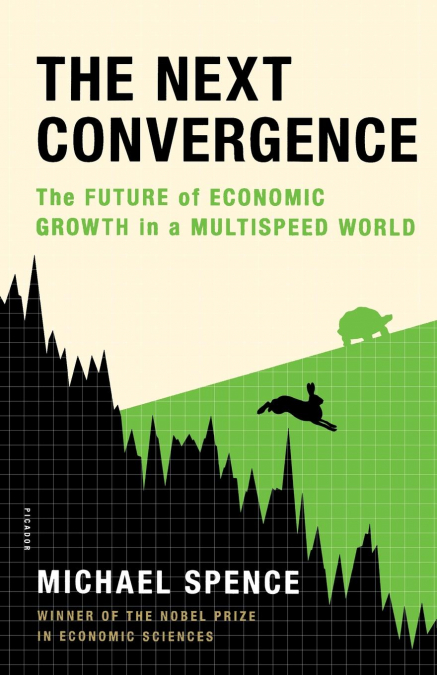
  • NEXT CONVERGENCE
    MICHAEL SPENCE
    ...
    Disponible

    17,21 €

  • Interest and Prices
    Michael Woodford
    With the collapse of the Bretton Woods system, any pretense of a connection of the world’s currencies to any real commodity has been abandoned. Yet since the 1980s, most central banks have abandoned money-growth targets as practical guidelines for monetary policy as well. How then can pure 'fiat' currencies be managed so as to create confidence in the stability of national unit...
    Disponible

    161,40 €

  • War, Wine, and Taxes
    John V.C. Nye
    In War, Wine, and Taxes, John Nye debunks the myth that Britain was a free-trade nation during and after the industrial revolution, by revealing how the British used tariffs-notably on French wine-as a mercantilist tool to politically weaken France and to respond to pressure from local brewers and others. The book reveals that Britain did not transform smoothly from a mercantil...
    Disponible

    74,00 €

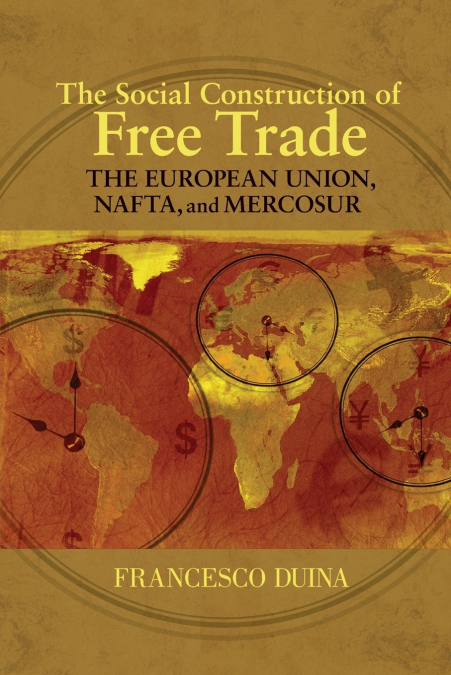
  • The Social Construction of Free Trade
    Francesco Duina
    This book offers a compelling new interpretation of the proliferation of regional trade agreements (RTAs) at the end of the twentieth century. Challenging the widespread assumption that RTAs should be seen as fundamentally similar economic initiatives to pursue free trade, Francesco Duina proposes that the world is reorganizing itself into regions that are highly distinctive an...
    Disponible

    54,25 €

Otros libros del autor

  • The Evolution of the International Economic Order
    William Arthur Lewis
    Do rich industrial nations underestimate the threat to their economic stability posed by demands for a new international economic order? Are the developing countries wrong to assume that their economic advancement depends on a transfer of wealth from the richer nations? Sir W. Arthur Lewis’s provocative analysis of the present economic order and its origins suggests that the an...
    Disponible

    118,27 €