 Librería Samer Atenea
 Kálamo Books
 Librería Elías (Asturias)
 Librería Kolima (Madrid)
 Librería Proteo (Málaga)
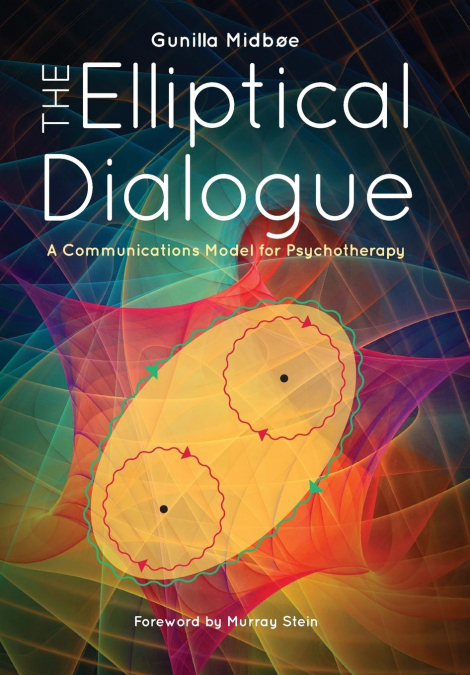
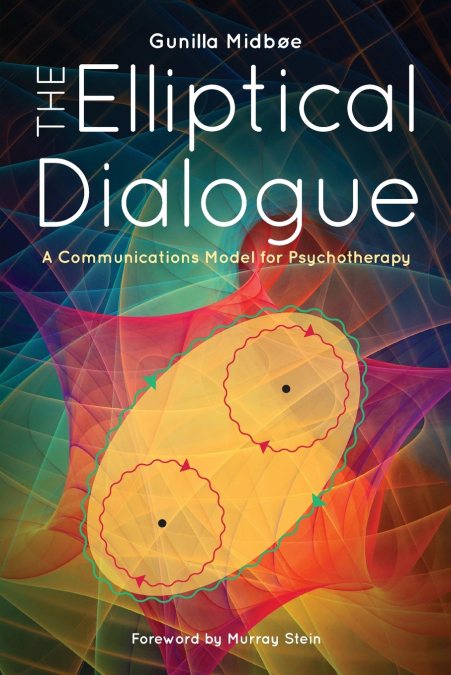
The Elliptical Dialogue is presented in this book as a model for communication, dialogue and reciprocal relationship in analytical work, psychotherapy and supervision. The book also suggests new clinical and theoretical perspectives for analytical psychology by integrating systems theory from Gregory Bateson and language theory from Ludwig Wittgenstein. In analytical work as well as in everyday life the essence of human existence sometimes shows itself as unguarded moments of mutual meeting. They cross time and space and become everlasting experiences. Such a moment opened up for Gregory Bateson when he met C G Jung’s poetic text Septem Sermones ad Mortuos. The connection between Bateson and Jung’s view on mind and matter is carefully elaborated in the text. In interaction with Wittgenstein’s view of the deep architecture of nonverbal and verbal language the Elliptical Dialogue points toward an integrated perspective for clinical use both in analytical work and supervision.Jungian psychoanalysts, psychotherapists and experienced clinicians, supervisors and students as well as the general public interested in analytical psychology, I hope, will be able to catch the deeper sense of powerful creative energy of elliptical dialogues in personal and professional life. Jungian psychoanalysts, psychotherapists and experienced clinicians, supervisors and students as well as the general public interested in analytical psychology, will be able to catch the deeper sense of powerful creative energy of elliptical dialogues in personal and professional life.Table of Contents:PART I: THE ELLIPTICAL DIALOGUE1. The elliptical dialogue as a map for Jungian psychoanalysis2. The elliptical dialogue as a map for Jungian supervision3. The elliptical dialogue and its limitationsPART II: THE ELLIPTICAL DIALOGUE AND TRANSFORMATION IN JUNGIAN PSYCHOANALYSIS — THE CLINICAL PART4. The elliptical dialogue and individuation5. Symbol as transformation6. Language as transformation7. Active imagination as transformationPART III: THREE THEORIES IN THE ELLIPTICAL DIALOGUE — THE SYNTHESISING, INTEGRATIVE PART8. The connecting web – a kind of fishing net9. Systems theory — Bateson’s contribution and some conclusions for dialogue with today’s analytical psychology.10. Language theory — Wittgenstein’s contribution and how dialogue is used in analytical psychology11. Analytical psychology — Jung’s contribution to the elliptical dialogue12. The Elliptical Dialogue as a Communications Model for PsychotherapyREFERENCESINDEX