 Librería Samer Atenea
 Kálamo Books
 Librería Elías (Asturias)
 Librería Kolima (Madrid)
 Librería Proteo (Málaga)
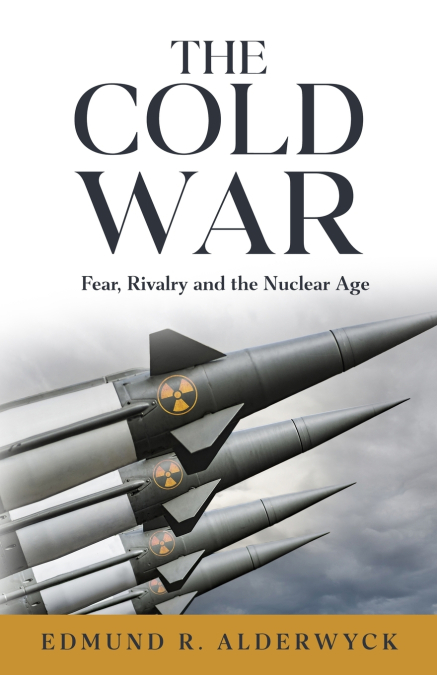
How did the world become divided between two superpowers, each armed with weapons capable of destroying civilization?The Cold War tells the story of a conflict fought through ideology, espionage, propaganda, proxy wars, and the constant threat of nuclear catastrophe. From the ruins of the Second World War to the collapse of the Soviet Union, it follows the struggle between the United States and the Soviet Union as they competed for power, influence, and the future of the modern world.The book explores the origins of the Cold War, the division of Europe, the Berlin crises, NATO and the Warsaw Pact, the arms race, and the spread of rivalry into Asia, Africa, Latin America, and the Middle East. It looks at Korea, Vietnam, Cuba, Afghanistan, and the many other places where superpower competition shaped local conflicts and global politics.But this is not only a story of presidents, premiers, and military alliances. It also examines the lives of people who lived under the shadow of nuclear war: families practicing civil defense, citizens behind the Iron Curtain, dissidents, spies, soldiers, scientists, and societies shaped by suspicion and fear. Behind the slogans and summits was a world where ideology reached into daily life and the future often felt uncertain.From the Berlin Wall and the Cuban Missile Crisis to détente, renewed tensions, and the revolutions of 1989, The Cold War offers a portrait of an age defined by rivalry, danger, and the fragile hope that global destruction could be avoided.The Cold War divided the world without becoming a direct war between the superpowers-but its dangers were never distant.The Cold War: Fear, Rivalry and the Nuclear Age follows the struggle between the United States and the Soviet Union from the aftermath of the Second World War to the fall of the Berlin Wall and the collapse of Soviet power. It explores ideology, espionage, nuclear weapons, proxy wars, propaganda, and the crises that brought the world close to disaster.From Berlin and Cuba to Korea, Vietnam, Afghanistan, and the revolutions of 1989, this book tells the story of a conflict that shaped the modern world and left a legacy still felt today.