 Librería Samer Atenea
 Kálamo Books
 Librería Elías (Asturias)
 Librería Kolima (Madrid)
 Librería Proteo (Málaga)
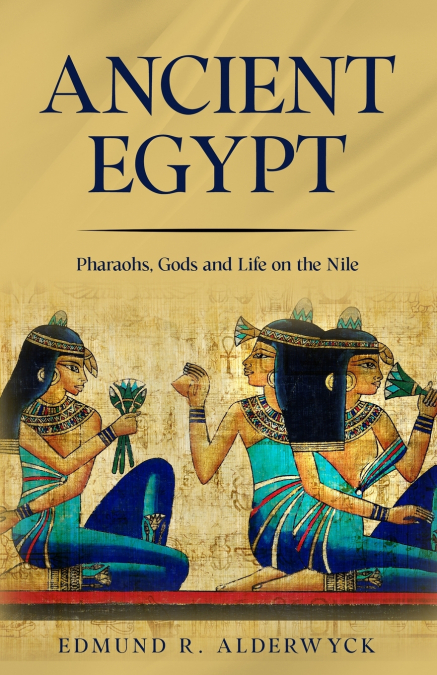
How did a civilization built along the Nile create one of the most enduring cultures in history?Ancient Egypt: Pharaohs, Gods and Life on the Nile tells the story of a world shaped by river, desert, kingship, and belief. From the rise of the first pharaohs to the building of pyramids, temples, and tombs, it follows the people and ideas that made ancient Egypt one of the most recognizable civilizations of the ancient world.The book explores the power of the pharaohs, the role of priests and officials, and the religious beliefs that connected the living, the dead, and the gods. It looks at the importance of the Nile, the rhythms of farming and trade, the growth of cities and monuments, and the systems of writing, administration, and labor that helped hold Egyptian society together.But this is not only a story of rulers and monuments. It also examines daily life along the Nile: family, work, food, clothing, festivals, craftsmanship, medicine, and the hopes Egyptians held for the afterlife. Behind the grandeur of pyramids and royal tombs was a complex society built on tradition, hierarchy, skill, and a deep sense of cosmic order.From gods and mummies to queens, scribes, soldiers, and farmers, Ancient Egypt offers a portrait of a civilization that fascinated the ancient world and continues to capture the imagination today.Ancient Egypt was a land of pharaohs and pyramids, temples and tombs, gods and the life-giving Nile.Ancient Egypt: Pharaohs, Gods and Life on the Nile explores the civilization that grew along one of the world’s great rivers and left behind some of history’s most enduring monuments. It follows the power of the pharaohs, the beliefs that shaped Egyptian religion, and the daily lives of the people who farmed, built, traded, worshipped, and worked along the Nile.From royal courts and sacred temples to mummification, hieroglyphs, and life after death, this book tells the story of a civilization whose world was both deeply human and profoundly sacred.