 Librería Samer Atenea
 Kálamo Books
 Librería Elías (Asturias)
 Librería Kolima (Madrid)
 Librería Proteo (Málaga)
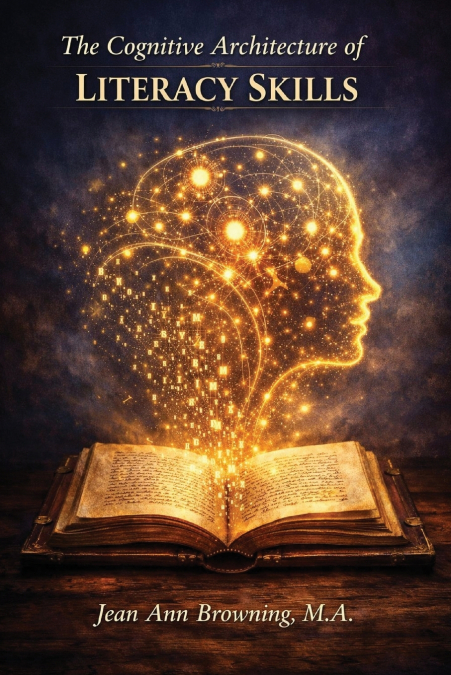
The Cognitive Architecture of Literacy Skills offers educators a clear, cohesive, and deeply human framework for understanding how readers build meaning. Rather than treating literacy as a checklist of isolated skills, this book reveals the architecture beneath the surface, the cognitive structures, habits of mind, and identity‑shaping processes that allow students to think deeply, read confidently, and engage meaningfully with text.Drawing on years of classroom experience and instructional design, Jean Ann Browning, M.A., makes the invisible work of the mind visible. Through accessible explanations, symbolic imagery, and a developmental progression of skills, she guides teachers through the essential components of literacy: inference, evidence, theme, word meaning, figurative language, argumentation, reasoning, fluency, and synthesis. Each skill is presented not as a task to master, but as a structural beam in the architecture of comprehension, a piece of cognitive infrastructure that supports the whole reader.At the heart of this framework is the belief that literacy is both cognitive and personal. As students learn to interpret evidence, trace themes, reason inductively and deductively, and synthesize ideas, they are also constructing identity, agency, and voice. The book’s signature candle‑to‑lantern metaphor illuminates this journey: readers begin with a spark, develop a steady flame, gather lanterns of understanding, and ultimately walk a path lit by their own thinking.With clarity, warmth, and a deep respect for teachers, Browning offers:A unified framework that connects all major literacy skillsA developmental sequence grounded in cognitive scienceSkill illustrations that make abstract thinking concreteA teacher‑friendly rubric for assessing growthPractical language for instruction, feedback, and reflectionA vision of literacy that honors both intellect and identityThe Cognitive Architecture of Literacy Skills is a guide for anyone committed to helping students become thoughtful, independent readers and to helping teachers see the profound, luminous work they do each day.