Inicio > Sociedad y ciencias sociales > Educación pedagogía > The Child and the Curriculum Including, the School and Society
The Child and the Curriculum Including, the School and Society

The Child and the Curriculum Including, the School and Society

The Child and the Curriculum Including, the School and Society

John Dewey

39,66 €
IVA incluido
Consulta disponibilidad
Editorial:
Cosimo
Año de edición:
2008
Materia
Educación pedagogía
ISBN:
9781944529819

Selecciona una librería:

  • Librería Samer Atenea

  • Kálamo Books
  • Librería Elías (Asturias)
  • Librería Kolima (Madrid)
  • Librería Proteo (Málaga)

Abandon the notion of subject-matter as something fixed and ready-made in itself, outside the child’s experience; cease thinking of the child’s experience as also something hard and fast; see it as something fluent, embryonic, vital; and we realize that the child and the curriculum are simply two limits which define a single process.-from The Child and the CurriculumIn this single volume, readers will find two of John Dewey’s insightful essays on education in America. He considered proper education to be fundamental to a functioning democracy. The problem, according to Dewey in The School and Society, with the old education model was that elementary schools did not encourage exploration and curiosity in their students.In The Child and the Curriculum, Dewey expands upon his definition of the ideal teaching method. A child’s life, he says, is an integrated whole. A child will flow from one topic to another, taking a natural interest in subjects and dealing with a world of direct experience. School, on the other hand, addresses a world disconnected from a child’s life. A more reasonable approach would be to strive to integrate their experience with the vast body of knowledge that society wishes them to know. By honoring the individual, both the student and the subject matter will come together in a process that produces a mature adult.American educator and philosopher JOHN DEWEY (1859-1952) helped found the American Association of University Professors. He served as professor of philosophy at Columbia University from 1904 to 1930 and authored numerous books, including How We Think (1910), Experience and Nature (1925), Experience and Education (1938), and Freedom and Culture (1939).
Artículos relacionados

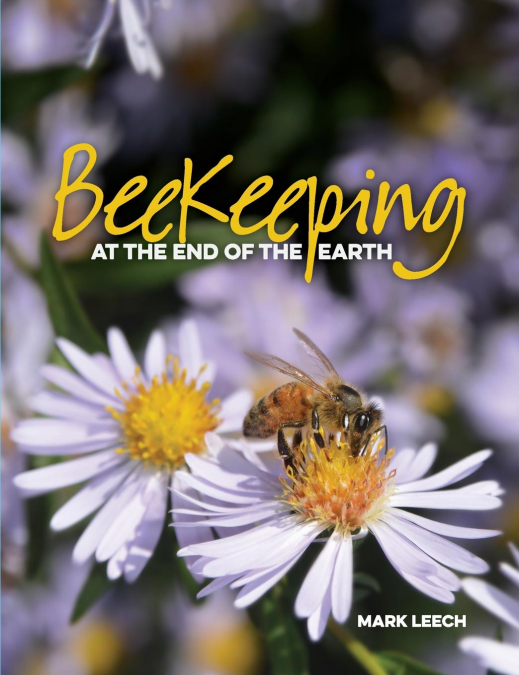
  • Beekeeping At The End Of The Earth
    Mark David Leech
    Beekeeping at the End of the Earth, an essential read for learning about beekeeping in a cool temperate climate with a focus on Tasmania our island home.  One hundred beekeepers one hundred different ways to keep bees.Beekeeping At The End Of The Earth is a practical insight into cool climate beekeeping with a focus on Tasmania, our island home.Richly illustrated with unique di...
    Disponible

    52,75 €

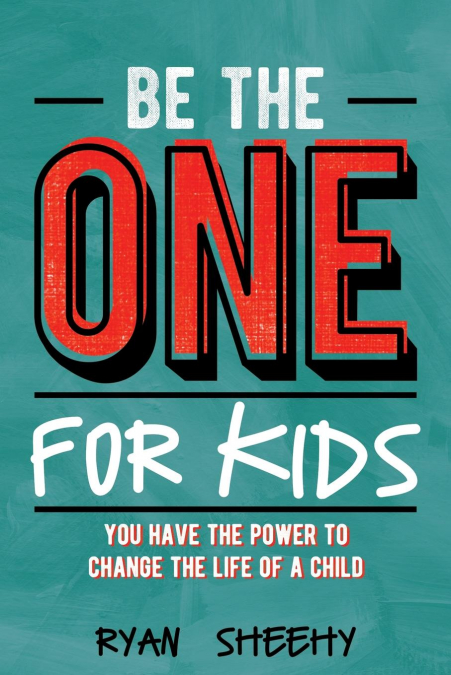
  • Be the One for Kids
    Ryan Sheehy
    One person can make a difference.That person can be you. “I want to show others that one person can make the difference in a child’s life. I want all educators, parents, coaches, and everyone in between to know they have power to Be the One for Kids.” —Ryan Sheehy If you ever feel like you’re all alone or think that no one gets you, just imagine how your students feel. Kids wan...
    Disponible

    31,42 €

  • Handbook of Research on E-Learning Standards and Interoperability
    As the e-learning industry continues to expand and the methods and tools necessary to create and maintain content and infrastructure applications become more complicated, there is an inherent need for these applications to interoperate and exchange data in order to better support the needs of learners and educators. Handbook of Research on E-Learning Standards and Interoperabil...
  • Teaching in the Knowledge Society
    Antonio Cartelli
    ...
  • Enhancing Learning Through Human Computer Interaction
    Elspeth McKay
    ...
  • Learning Objects for Instruction
    Pamela Taylor Northrup
    ...

Otros libros del autor

  • Democracia y educación: Letra Grande
    John Dewey
    ¿Qué función deben cumplir las escuelas en una sociedad democrática y qué exige un aprendizaje auténtico? John Dewey sostiene que estas preguntas no pueden separarse.Publicado en 1916, Democracia y educación examina la educación como un proceso social, no como una mera transmisión de información del maestro al alumno. Dewey pregunta cómo cobra sentido la experiencia, cómo se de...
  • Principios morales en la educación: Letra Grande
    John Dewey
    ¿Qué enseña a un niño a actuar con responsabilidad: una lección sobre la virtud o la vida cotidiana del aula? John Dewey sitúa esa pregunta en el centro de la educación escolar.En Principios morales en la educación, Dewey sostiene que el desarrollo ético no puede separarse de las tareas habituales del aprendizaje. La organización de una escuela, las relaciones que promueve y el...
  • El público y sus problemas
    John Dewey
    La democracia necesita más que elecciones e instituciones. Necesita ciudadanos capaces de comprender qué los une y actuar a partir de ese conocimiento.En El público y sus problemas, John Dewey se pregunta cómo surge un público y por qué puede tener dificultades para reconocerse. Su respuesta parte de las consecuencias indirectas de las acciones humanas: cuando las decisiones af...
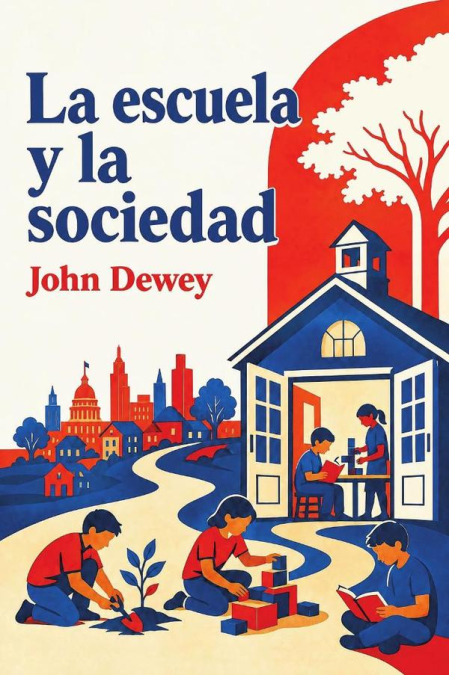
  • La escuela y la sociedad: Letra Grande
    John Dewey
    ¿Y si la educación partiera de la experiencia activa de los niños en lugar de la escucha pasiva? John Dewey pregunta qué puede llegar a ser el aprendizaje cuando las aulas se conectan con la vida que transcurre más allá de sus paredes.Basada en conferencias pronunciadas en la Universidad de Chicago, La escuela y la sociedad expone un argumento central de la educación progresist...
  • The School and Society
    John Dewey
    What if education began with children’s active experience rather than passive listening? John Dewey asks what learning can become when classrooms connect with the life beyond their walls.Based on lectures delivered at the University of Chicago, The School and Society sets out a central argument of progressive education: learning is a social activity, rooted in experience. Writi...
  • Human Nature and Conduct
    John Dewey
    What makes it possible to act differently when our habits pull us toward a familiar response? In Human Nature and Conduct, John Dewey starts with the way people actually learn to act: among other people, in surroundings that encourage some habits and make others difficult to sustain. From there, he asks what it takes to change how we behave.For Dewey, habit is more than repetit...
    Disponible

    20,43 €