 Librería Samer Atenea
 Kálamo Books
 Librería Elías (Asturias)
 Librería Kolima (Madrid)
 Librería Proteo (Málaga)
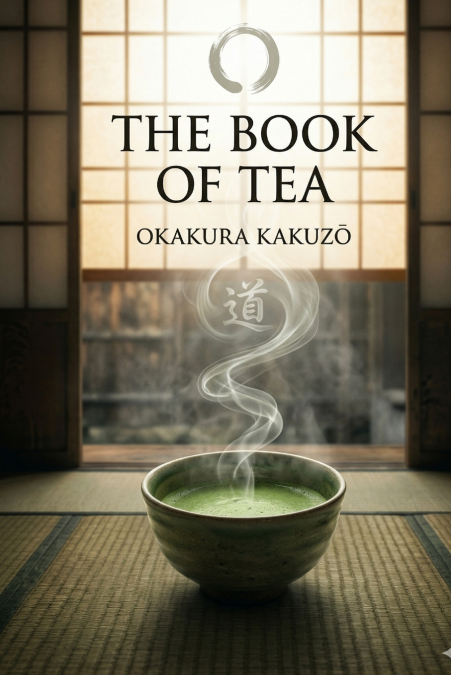
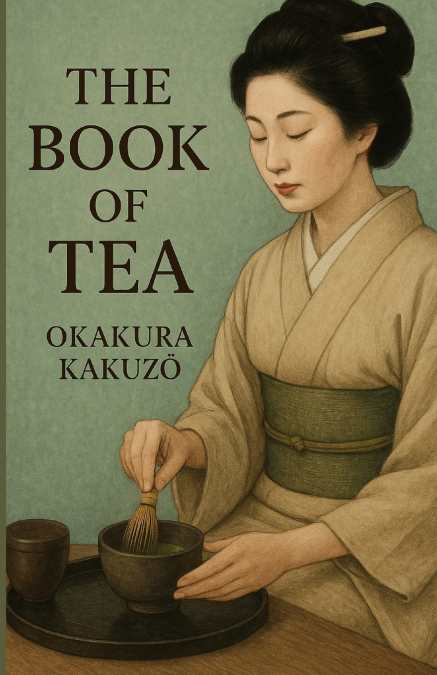
This illustrated edition includes carefully selected illustrations, a detailed summary, an author biography, and a comprehensive character list.The Book of Tea by Okakura Kakuzō, first published in 1906, is a philosophical essay that explores the aesthetic and cultural significance of the Japanese tea ceremony, known as 'chanoyu.' The book examines tea culture as a way of life that embodies the principles of simplicity, harmony, and tranquility, all of which are central to Japanese art and philosophy.Okakura delves into the history and traditions surrounding tea, tracing its origins in China and its evolution in Japan. He presents the tea ceremony as not just a ritualistic preparation and consumption of tea, but as a reflection of the Japanese worldview and an expression of spiritual and aesthetic values. The work emphasizes how the tea ceremony encourages mindfulness and a deep appreciation for the fleeting beauty of everyday moments, in line with the Japanese concept of 'wabi-sabi' (the appreciation of the imperfect and transient).The book is also a meditation on the broader cultural implications of tea, relating it to other elements of Japanese life such as Zen Buddhism, art, architecture, and the notion of 'doing things with grace and precision.' Okakura juxtaposes the simplicity of tea culture with the materialism and industrialization of the modern world, presenting the tea ceremony as a form of spiritual resistance and a means to connect with nature.Through The Book of Tea, Okakura introduces the Western audience to the essence of Japanese aesthetic philosophy, offering insights into the deeper meanings behind everyday practices. The book is not only an exploration of tea but also a reflection on the nature of beauty, art, and human existence. It remains a key work for those interested in Eastern philosophy and Japanese culture.