 Librería Samer Atenea
 Kálamo Books
 Librería Elías (Asturias)
 Librería Kolima (Madrid)
 Librería Proteo (Málaga)
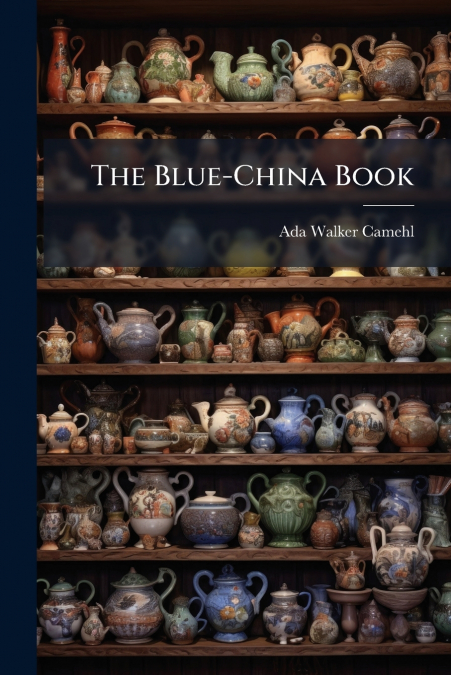
'The Blue-China Book' by Ada Walker Camehl is a comprehensive guide to collecting and understanding blue-and-white china, a popular form of decorative art that flourished in the 19th century. This book delves into the history, manufacturing techniques, and various patterns of blue-printed earthenware, making it an invaluable resource for collectors, historians, and anyone interested in the decorative arts. The book provides detailed descriptions and illustrations of different blue china patterns, offering insights into their origins and cultural significance. With meticulous attention to detail, Camehl’s work serves not only as a practical guide for identifying and valuing pieces but also as a fascinating glimpse into the social and artistic trends of the time. Whether you’re a seasoned collector or a curious newcomer, 'The Blue-China Book' offers a rich and rewarding exploration of this enduringly popular collectible.This work has been selected by scholars as being culturally important, and is part of the knowledge base of civilization as we know it. This work was reproduced from the original artifact, and remains as true to the original work as possible. Therefore, you will see the original copyright references, library stamps (as most of these works have been housed in our most important libraries around the world), and other notations in the work.This work is in the public domain in the United States of America, and possibly other nations. Within the United States, you may freely copy and distribute this work, as no entity (individual or corporate) has a copyright on the body of the work.As a reproduction of a historical artifact, this work may contain missing or blurred pages, poor pictures, errant marks, etc. Scholars believe, and we concur, that this work is important enough to be preserved, reproduced, and made generally available to the public. We appreciate your support of the preservation process, and thank you for being an important part of keeping this knowledge alive and relevant.