
Inicio > Artes > Artes: aspectos generales > The Age of Figurative Theo-humanism
The Age of Figurative Theo-humanism

The Age of Figurative Theo-humanism

Franco Cirulli

66,65 €
IVA incluido
Disponible
Editorial:
Springer Nature B.V.
Año de edición:
2016
Materia
Artes: aspectos generales
ISBN:
9783319361369
66,65 €
IVA incluido
Disponible

Selecciona una librería:

  • Librería Samer Atenea
  • Librería Aciertas (Toledo)
  • Kálamo Books
  • Librería Perelló (Valencia)
  • Librería Elías (Asturias)
  • Donde los libros
  • Librería Kolima (Madrid)
  • Librería Proteo (Málaga)

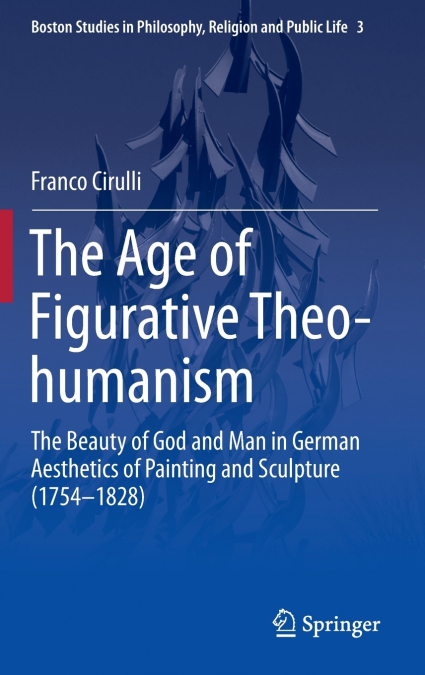
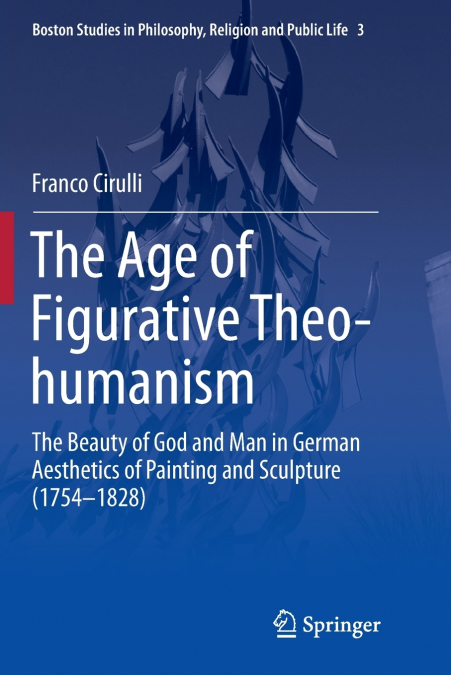
This is a comprehensive, integrated account of eighteenth and early nineteenth century German figurative aesthetics. The author focuses on the theologically-minded discourse on the visual arts that unfolded in Germany, circa 1754-1828, to critique the assumption that German romanticism and idealism pursued a formalist worship of beauty and of unbridled artistic autonomy. This book foregrounds what the author terms an 'Aesthetics of Figurative Theo humanism'. It begins with the sculptural aesthetics of Johann Joachim Winckelmann and Gottfried Herder before moving on to Karl Philipp Moritz, Wilhelm Heinrich Wackenroder and Friedrich Schelling. The reader will discover how this aesthetic tradition, after an initial obsession with classical sculpture, chose painting as the medium more suited to the modern self’s exploration of transcendence. This paradigm-shift is traced in the aesthetic discourse of Friedrich Schlegel and Georg Wilhelm Friedrich Hegel. In this work, the widespread prejudice that such aesthetics initiated a so-called 'Modern Grand Narrative of the Arts' is deconstructed. One accusation directed at 18th century aesthetics has been that it realised into 'Art' what had previously been a living, rich tissue of meaning: this work shows how Figurative Theo humanism’s attention to aesthetic values was never detached from deeper theological and humanistic considerations. Furthermore, it argues that this aesthetic discourse never forgot that it emerged from modern disenchantment-far from occluding the dimension of secularization, it draws poignant meaning from it. Anyone with an interest in the current debates about the scope and nature of aesthetics(philosophers of art, theology, or religion) will find this book of great interest and assistance.
Artículos relacionados

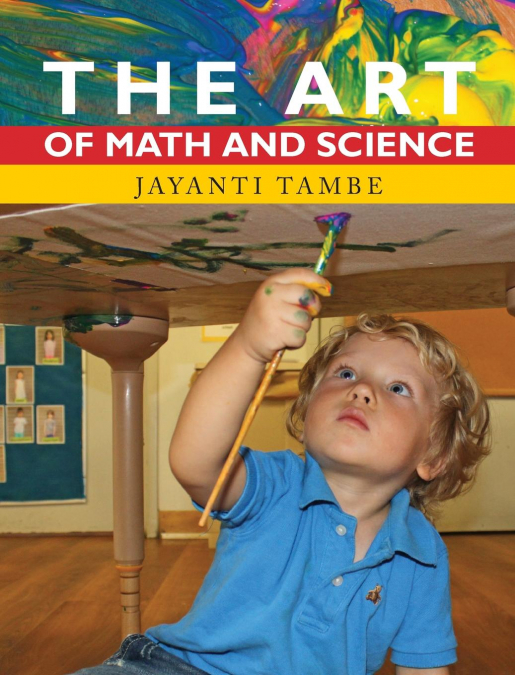
  • The Art of Math and Science
    Jayanti Tambe
    The Art of Math and Science guides teachers to introduce masterpiece art to young children, so they can tell you about “paints with hidden floats” and ask questions like, “When painting the Sistine Chapel, do you think Michelangelo had many headaches?”This book helps parents and educators look at the subject through the prism of mathematical and scientific experiences. This boo...
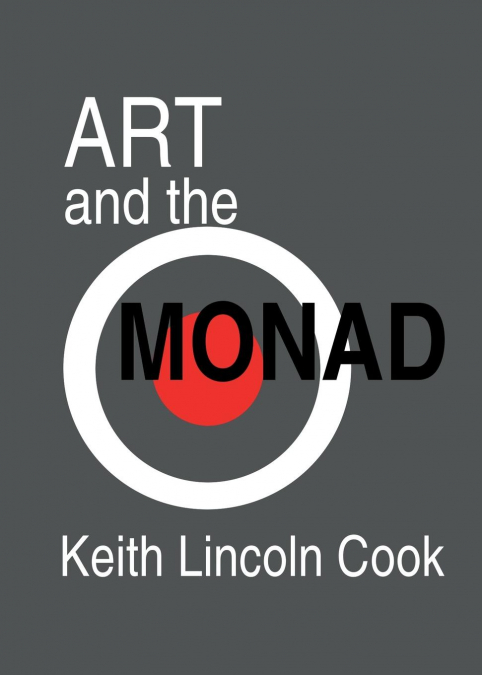
  • Art and the Monad
    Keith Lincoln Cook
    Keith Lincoln Cook's essay centres on his diagram of the monad: a circular diagram, showing the relationship between external stimuli, the intellect and the emotions. Although everyone should be able to freely respond to the vast amount of external stimuli collected by the senses, many people will block off their responses, collecting the stimuli in the band of intellect an...
    Disponible

    6,17 €

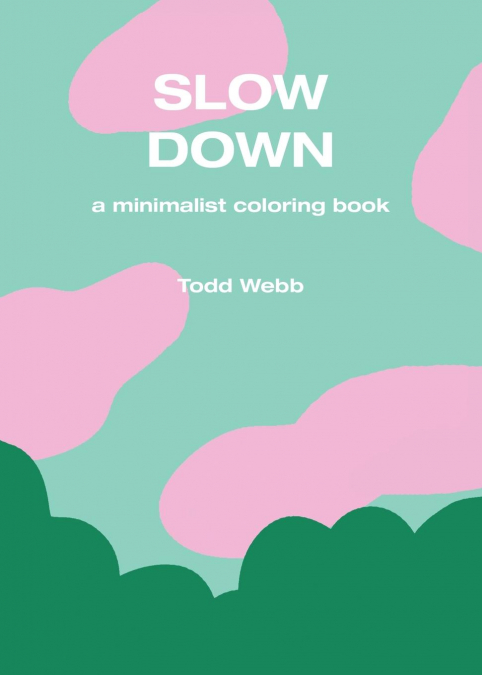
  • Slow Down
    Todd Webb
    Color everything and color nothing on your path to mindfulness with this playful coloring book!Packed with just enough to keep you entertained in the present moment, SLOW DOWN is sure to become your go-to meditation guide as you color your way to a calmer, less stressful life. With simple illustrations and inspirational text it makes a great gift! "Art's purpose is to sober...
    Disponible

    12,17 €

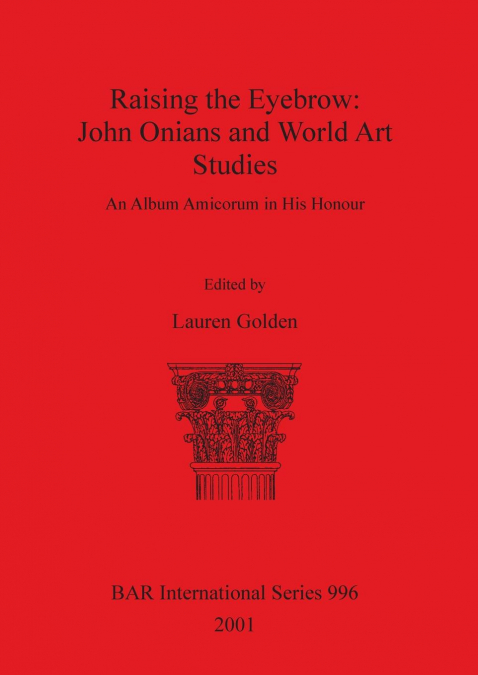
  • Raising the Eyebrow
    Lauren Golden
    A lavish festschrift to John Onians with contributions by 28 distinguished academics. Any summary as to the direction of these contributions is, perhaps, best left to Martin Kemp and his affectionate preface, “Above all, he (John Onians) reminds us of the researchers’, writers’ and teachers’ true mission, that is the need to be radical in both asking and answering questions, an...
    Disponible

    182,20 €

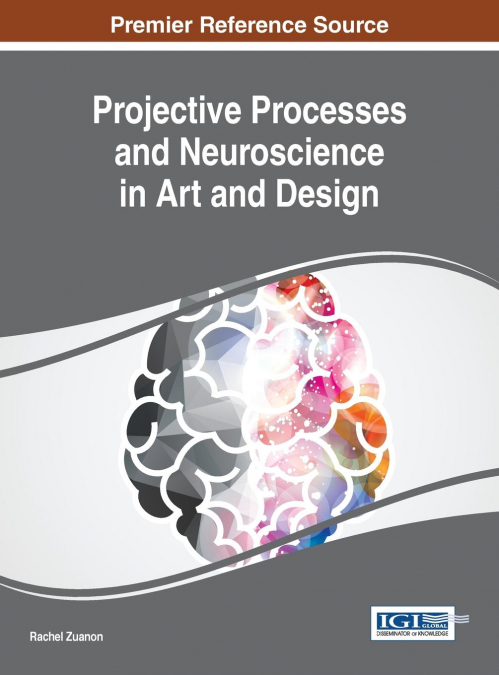
  • Projective Processes and Neuroscience in Art and Design
    Rachel Zuanon
    Recent advances in neuroscience suggest that the human brain is particularly well-suited to design things: concepts, tools, languages and places. Current research even indicates that the human brain may indeed have evolved to be creative, to imagine new ideas, to put them into practice, and to critically analyze their results. Projective Processes and Neuroscience in Art and De...
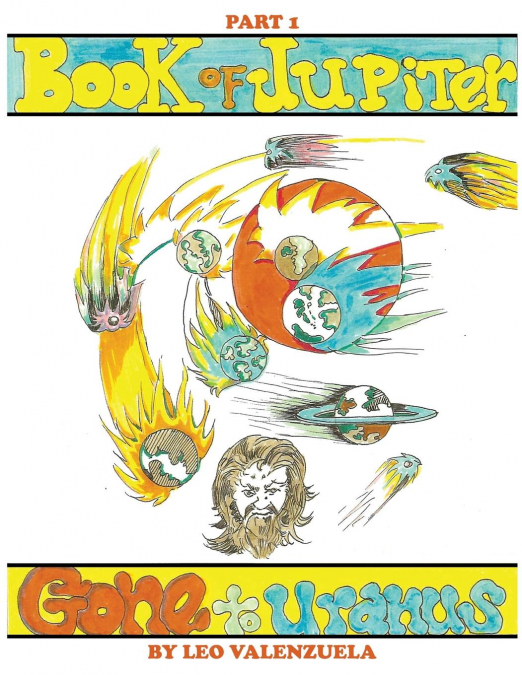
  • Book of Jupiter
    Leo Valenzuela
    Book of Jupiter: Gone to Uranus is a work of imagination and fantasy by Leo Valenzuela. Explore a variety of unique creatures with interesting dialogue which included a few step tutorials on how to draw his style of work. 3 ...
    Disponible

    24,25 €

Otros libros del autor

  • The Age of Figurative Theo-humanism
    Franco Cirulli
    This is a comprehensive, integrated account of eighteenth and early nineteenth century German figurative aesthetics. The author focuses on the theologically-minded discourse on the visual arts that unfolded in Germany, circa 1754-1828, to critique the assumption that German romanticism and idealism pursued a formalist worship of beauty and of unbridled artistic autonomy. This b...
  • Hegel’s Critique of Essence
    Franco Cirulli
    This volume shows how The Doctrine of Essence intersects with perennial philosophical questions including above all, the relationship between freedom and determinism. The Doctrine of Essence is of central importance, since it is a critical description of traditional categories which also functions as the justification of Hegel’s speculative understanding of essence. This study ...
    Disponible

    104,67 €

  • Hegel’s Critique of Essence
    Franco Cirulli
    This volume shows how The Doctrine of Essence intersects with perennial philosophical questions including above all, the relationship between freedom and determinism. The Doctrine of Essence is of central importance, since it is a critical description of traditional categories which also functions as the justification of Hegel’s speculative understanding of essence. This study ...