 Librería Samer Atenea
 Kálamo Books
 Librería Elías (Asturias)
 Librería Kolima (Madrid)
 Librería Proteo (Málaga)
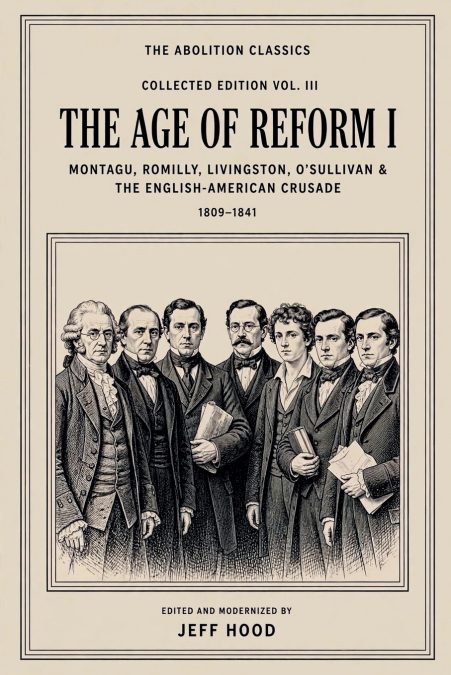
These are the decades when the argument learned to work in a legislature.In 1790, English law prescribed hanging for one hundred and sixty offenses. Stealing could get you killed. By 1841 a committee of the New York State Assembly was recommending that the death penalty be ended outright, and the legislature ordered ten times the usual number of copies printed.This volume covers that distance. It was not covered by argument alone.Basil Montagu gathers every writer who ever objected into a set a member of Parliament can carry under one arm. Samuel Romilly rises in the House of Commons session after session, moves to strike one more crime off the list of hanging offenses, loses, and files again. Though a slaveholder, Edward Livingston writes an entire criminal code for the state of Louisiana with no gallows anywhere in it. John L. O’Sullivan chairs a committee and hands the American movement a hundred pages of evidence with a bill attached.Two writers do it differently. Percy Bysshe Shelley, barely more than twenty, argues that nobody knows what death actually is, and that a state building a punishment on that ignorance has lost before the first witness is called. Victor Hugo throws out the evidence entirely and writes the diary of a condemned man with no name and no crime... set in this series in contemporary Iran, where the machinery still runs in the open.This is where the objection stopped being a belief and started slowly becoming something possible.