Inicio > Economía, finanzas, empresa y gestión > Economía > Macroeconomía > Economía monetaria > Systemisches Risiko im Bankensektor. Interventionsmaßnahmen
Systemisches Risiko im Bankensektor. Interventionsmaßnahmen

Systemisches Risiko im Bankensektor. Interventionsmaßnahmen

Eva-Maria Velhagen

44,01 €
IVA incluido
Disponible
Editorial:
GRIN Publishing
Año de edición:
2007
Materia
Economía monetaria
ISBN:
9783638797726
44,01 €
IVA incluido
Disponible

Selecciona una librería:

  • Librería Samer Atenea
  • Librería Aciertas (Toledo)
  • Kálamo Books
  • Librería Perelló (Valencia)
  • Librería Elías (Asturias)
  • Donde los libros
  • Librería Kolima (Madrid)
  • Librería Proteo (Málaga)

Diplomarbeit aus dem Jahr 2007 im Fachbereich VWL - Geldtheorie, Geldpolitik, Note: 1,7, Ruprecht-Karls-Universität Heidelberg, 11 Quellen im Literaturverzeichnis, Sprache: Deutsch, Abstract: Zahlreiche Bankenkrisen der vergangenen Jahrzehnte belegen, dass Störungen bis hin zum Zusammenbruch des gesamten Bankensystems gravierende und weit reichende Folgen nicht nur für die direkt betroffene Volkswirtschaft haben können. Daher ist der Bankensektor in allen Industrieländern einer der am meisten regulierten Wirtschaftsbereiche. Verantwortlich für die Fragilität des Bankensektors sind zwei Besonderheiten der Geschäftsstruktur des Bankenwesens. Zum einen bestehen die Vermögensgegenstände einer Bank größtenteils aus langfristigen, illiquiden Investitionen, die durch kurzfristige und jederzeit kündbare Einlagen mit einem festen Zinsversprechen refinanziert werden. Werden diese Einlagen simultan zurückgefordert, so besteht die Gefahr, dass die von der Bank gehaltenen Liquiditätsreserven nicht ausreichen um allen Zahlungsforderungen nachzukommen. Zum anderen sind Banken über ein dichtes Netz wechselseitiger nationaler sowie internationaler Zahlungsverpflichtungen und Geschäftsbeziehungen miteinander verbunden. Das mit Abstand wichtigste Ziel der Bankenregulierung ist die Vermeidung des systemischen Risikos. Der Begriff des systemischen Risikos beinhaltet, dass der Bankensektor und davon ausgehend das gesamte Finanzsystem aufgrund eines Schocks, der zunächst nur ein einzelnes Kreditinstitut betrifft, zusammenbrechen kann. In der Literatur wird dies als systemisches Risiko im engeren Sinne bezeichnet. Das systemische Risiko im weiteren Sinne beinhaltet zusätzlich die Gefahr, dass aufgrund eines makroökonomischen Schocks, wie einem Zinsanstieg, einem Schock auf den Finanzmärkten oder einer Währungsabwertung der simultane Zusammenbruch mehrerer oder sogar aller Kreditinstitute erfolgen kann. Die vorliegende Arbeit wird sich im Besonderen mit dem systemischen Risiko i

Artículos relacionados

  • The Principles Governing Wealth & Finance
    MARVEN BILLS
    Many people want to improve their well-being, happiness, and opportunities by managing their wealth and finances effectively. However, this is not an easy task, as it requires knowledge, skills, and discipline. There are some basic guidelines that can help us achieve our financial goals, increase our income, save and invest wisely, and use our resources for good purposes. These...
    Disponible

    32,29 €

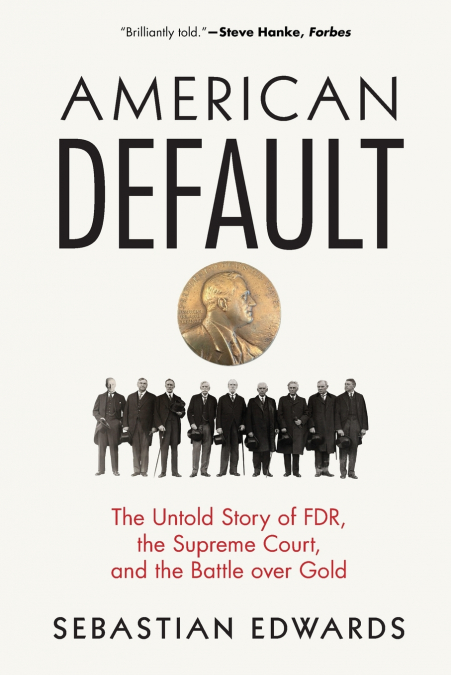
  • American Default
    Sebastian Edwards
    The untold story of how FDR did the unthinkable to save the American economyThe American economy is strong in large part because nobody believes that America would ever default on its debt. Yet in 1933, Franklin D. Roosevelt did just that, when in a bid to pull the country out of depression, he depreciated the US dollar in relation to gold, effectively annulling all debt contra...
    Disponible

    26,48 €

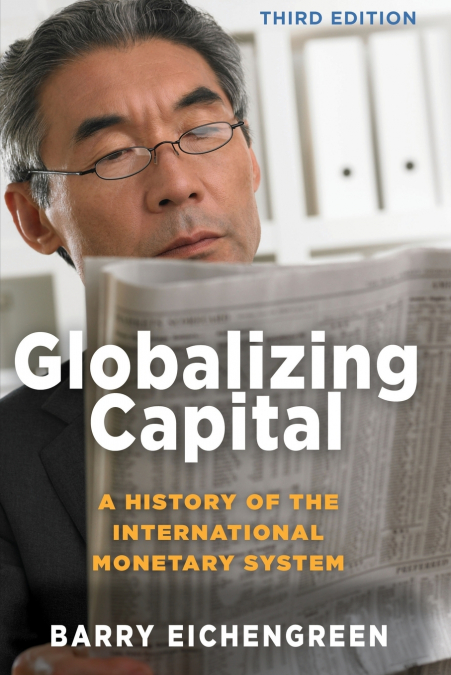
  • Globalizing Capital
    Barry Eichengreen
    Essential reading for understanding the international economy-now thoroughly updatedLucid, accessible, and provocative, and now thoroughly updated to cover recent events that have shaken the global economy, Globalizing Capital is an indispensable account of the past 150 years of international monetary and financial history-from the classical gold standard to today’s post-Bretto...
    Disponible

    43,05 €

  • Money
    John Kenneth Galbraith
    Money is nothing more than what is commonly exchanged for goods or services, so why has understanding it become so complicated? In Money, renowned economist John Kenneth Galbraith cuts through the confusions surrounding the subject to present a compelling and accessible account of a topic that affects us all. He tells the fascinating story of money, the key factors that shaped ...
    Disponible

    37,12 €

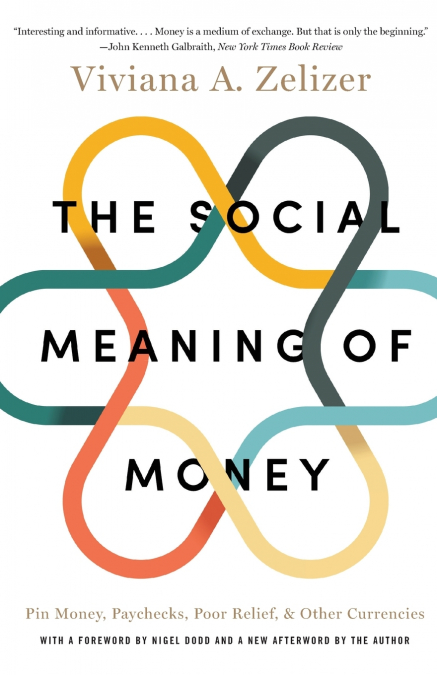
  • The Social Meaning of Money
    Viviana A. Zelizer
    A dollar is a dollar—or so most of us believe. Indeed, it is part of the ideology of our time that money is a single, impersonal instrument that impoverishes social life by reducing relations to cold, hard cash. After all, it’s just money. Or is it? Distinguished social scientist and prize-winning author Viviana Zelizer argues against this conventional wisdom. She shows how peo...
    Disponible

    33,29 €

  • Debt-Free Living
    SREEKUMAR V T / V T SREEKUMAR
    'Debt-Free Living: A Guide to Managing and Eliminating Debt' is a comprehensive resource for anyone looking to take control of their finances and achieve freedom from debt. This book provides practical advice, strategies, and tools for managing debt, creating a budget, saving money, and building wealth.Readers will learn how to assess their financial situation, set realistic go...