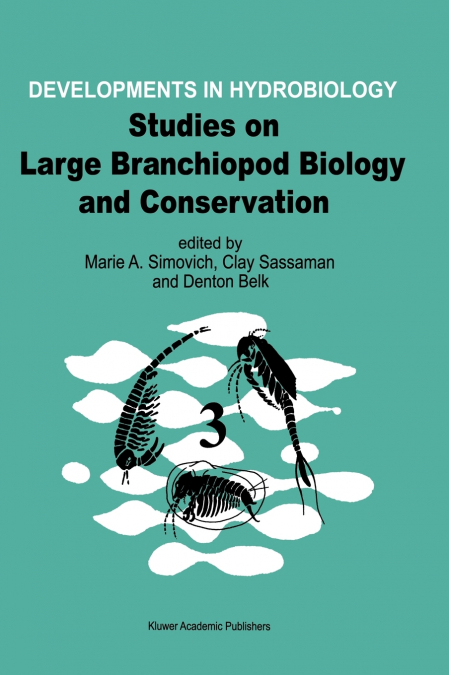

Studies on Large Branchiopod Biology and Conservation

Studies on Large Branchiopod Biology and Conservation


209,87 €
IVA incluido
Consulta disponibilidad
Editorial:
Springer Nature B.V.
Año de edición:
1998
Materia
Biología marina
ISBN:
9780792349662

Selecciona una librería:

  • Librería Samer Atenea
  • Librería Aciertas (Toledo)
  • Kálamo Books
  • Librería Perelló (Valencia)
  • Librería Elías (Asturias)
  • Donde los libros
  • Librería Kolima (Madrid)
  • Librería Proteo (Málaga)

This volume is a collection of papers concerning the biology of large branchiopod crustaceans: Anostraca, Conchostraca, and Notostraca. Many of the individual papers were first presented at the Third International Large Branchiopod Symposium (ILBS-3) held at the University of San Diego, CA, USA, July 15-18, 1996. Contributions on additional topics from participants at the symposium, and from colleagues not able to join us in San Diego, are also included. In addition, there is a supplement to the 1995 `Checklist of the Anostraca’. The theme of the ILBS-3 was `understanding and conserving large branchiopod diversity’. Researchers from around the world presented papers on a variety of topics related to conservation of large branchiopods, with contributions ranging from alpha-taxonomy and zoogeography to community structure and studies of ecology and evolution. One important issue developed in many of the papers in this volume is the need to advance our understanding of basic aspects of branchiopod biology throughout the world in order to enhance our efforts to conserve them. Although we have made important strides in understanding the biology of large branchiopods, we have, with few notable exceptions, made little progress in assuring the conservation of their diversity. We hope this volume will supply the reader with new ideas, and generate enthusiasm for research and public education efforts on behalf of branchiopod conservation.
Artículos relacionados

  • Marine Polysaccharides Volume 1
    Paola Laurienzo
    The field of marine polysaccharides is constantly evolving, due to progress in the discovery and production of new marine polysaccharides. Seaweed remains the most abundant source of polysaccharides, but recent advances in biotechnology have allowed the production of large quantities of polysaccharides from a variety of micro-algae, by controlling growth conditions and tailorin...
    Disponible

    75,60 €

  • The Extreme Life of the Sea
    Anthony R. Palumbi / Stephen R. Palumbi
    A thrilling tour of the sea’s most extreme species, coauthored by one of the world’s leading marine scientistsThe ocean teems with life that thrives under difficult situations in unusual environments. The Extreme Life of the Sea takes readers to the absolute limits of the ocean world-the fastest and deepest, the hottest and oldest creatures of the oceans. It dives into the icy ...
    Disponible

    23,83 €

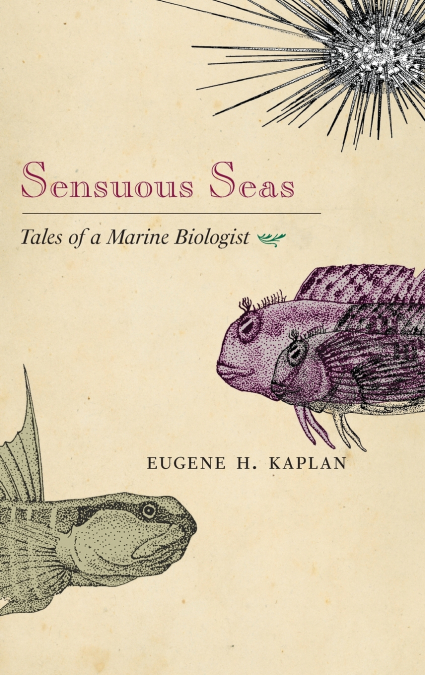
  • Sensuous Seas
    Eugene H. Kaplan
    Learning marine biology from a textbook is one thing. But take readers to the bottom of the sea in a submarine to discover living fossils or to coral reefs to observe a day in the life of an octopus, and the sea and its splendors come into focus, in brilliant colors and with immediacy. In Sensuous Seas, Eugene Kaplan offers readers an irresistibly irreverent voyage to the worl...
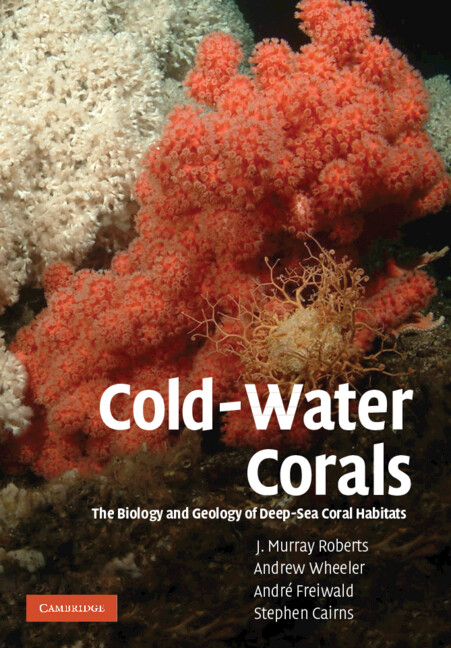
  • Cold-Water Corals
    André Freiwald / Andrew Wheeler / J. Murray Roberts
    ...
    Disponible

    86,12 €

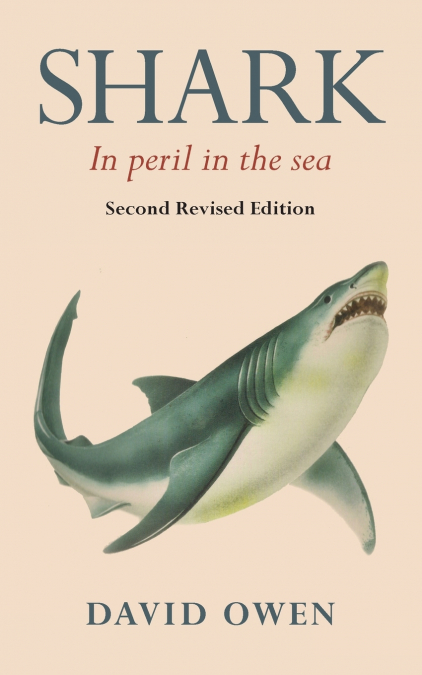
  • Shark
    David Owen
    A superlative study of our planet’s dominant predator for millions of years. A major and fully indexed contribution to the preservation of this amazing creature, now much threatened by human activity - with losses from overfishing, pollution, and the destruction of their habitat.Although scientific knowledge of sharks is increasing rapidly, the author shows that there is still ...
    Disponible

    43,01 €

  • Marine Metabolites in Disease Management, VOL 1
    In recent years, the exploration of marine ecosystems has unveiled a plethora of bioactive compounds with remarkable therapeutic potential. The oceans, covering over 70% of the Earth’s surface, are a rich source of biodiversity, harbouring organisms that have evolved unique biochemical pathways to survive in extreme conditions. These marine metabolites, produced by marine micro...