
Inicio > Medicina > Medicina: cuestiones generales > > Investigación médica > Standard Operating Procedures in Vitro Toxicology
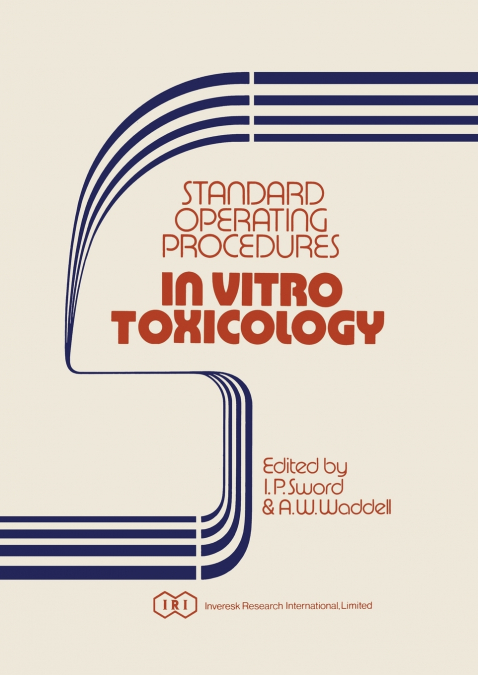
Standard Operating Procedures in Vitro Toxicology

Standard Operating Procedures in Vitro Toxicology


135,67 €
IVA incluido
Disponible
Editorial:
Springer Nature B.V.
Año de edición:
2011
Materia
Investigación médica
ISBN:
9789400987173
135,67 €
IVA incluido
Disponible

Selecciona una librería:

  • Librería Samer Atenea
  • Librería Aciertas (Toledo)
  • Kálamo Books
  • Librería Perelló (Valencia)
  • Librería Elías (Asturias)
  • Donde los libros
  • Librería Kolima (Madrid)
  • Librería Proteo (Málaga)

When Volume 1 (Toxicolpgy) in this series of Standard Operating Procedures was pub­ lished in early 1979, the FDA’s Good Laboratory Practice Regulations did not have the force of United States Law, but nevertheless had a substantial impact on the conduct of toxicology in laboratories throughout the world. These Regulations are now in force, and Volume 2 (Pathology) was published later the same year. Our critics have implied that we have attempted to reduce toxicology to the level of the cookery book, or alternatively that we seek to impose our standards on others, In some sinister way ensuring that the IRI code will become the international norm. We dismiss these criticisms as arrant nonsense. The many thousands of volumes already sold worldwide can provide at best a framework for adaptation to suit local laboratory condi­ tions, and thus speed to GLP compliance those organisations which might otherwise have remained foundering at the starting post. If Volumes 1 and 2 of this series have con­ tributed anything to the conduct of toxicology it must surely be in those non-English speaking nations which, because of the international nature of pharmaceutical and chemical trading, are required by commercial pressures to be in compliance with a foreign law formulated in unfamiliar terminology and introduced for reasons that are not immediately obvious. Much has happened in the short period of time since Volumes 1 and 2 were published.
Artículos relacionados

  • Preventing and Treating Missing Data in Longitudinal Clinical Trials
    Craig Mallinckrodt
    ...
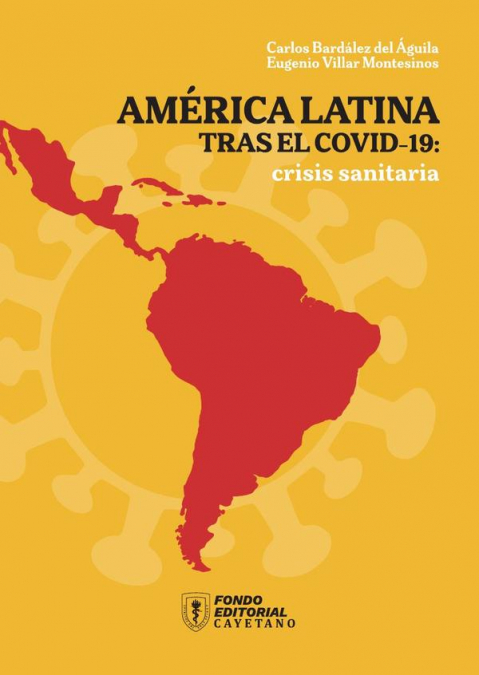
  • América Latina tras el COVID-19
    Carlos Bardález del Águila / Eugenio Villar Montesinos
    Este texto se enmarca dentro de la tragedia de la pandemia de la COVID-19 y que ha echado por los suelos la visión neoliberal optimista prevalente en las últimas décadas en la región que ha develado la profundización de la inequidad social incluyendo el acceso a los servicios de salud. Asimismo, analiza los avances en las capacidades de los sistemas de salud para la consecución...
    Disponible

    41,55 €

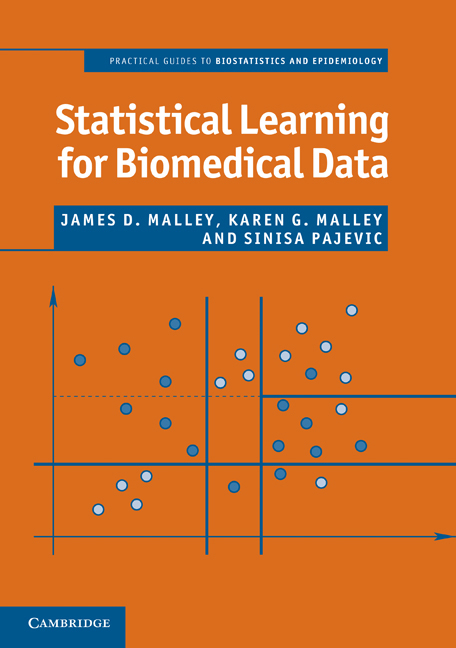
  • Statistical Learning for Biomedical Data
    James D. Malley / Karen G. Malley / Sinisa Pajevic
    ...
    Disponible

    65,03 €

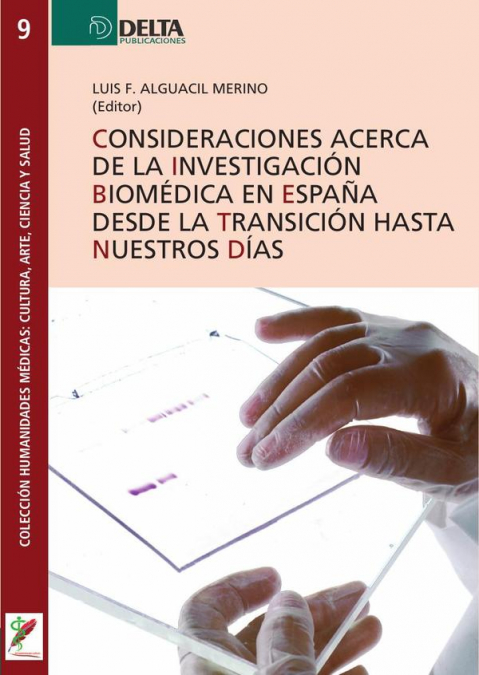
  • Consideraciones acerca de la investigación biomédica en españa
    Luis Fernando Alguacil
    El 11 de marzo de 2017, con ocasiA n de un homenaje dedicado a la profesora Carmen GonzA¡lez MartA n, se reunieron en el Ateneo de Madrid un buen nAºmero de investigadores espaA oles del A¡mbito biomA dico procedentes de la Universidad, la Industria, la Sanidad, el CSIC y hasta de las instituciones europeas. La Dra. GonzA¡lez habA a desarrollado su labor profesional en varios d...
    Disponible

    13,00 €

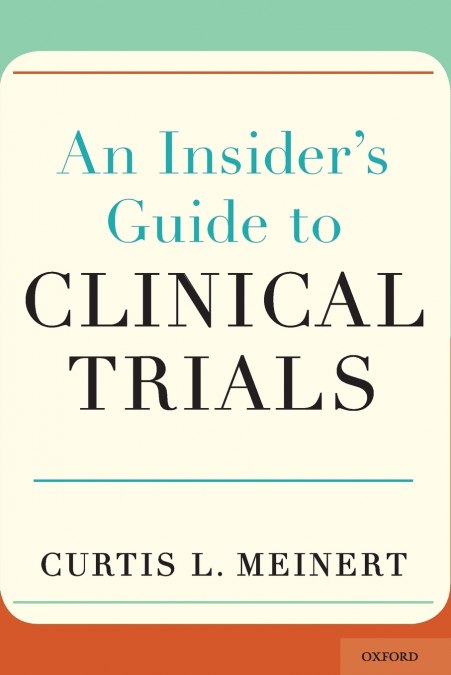
  • Insider’s Guide to Clinical Trials
    Curtis L. Meinert
    ...
    Disponible

    96,65 €

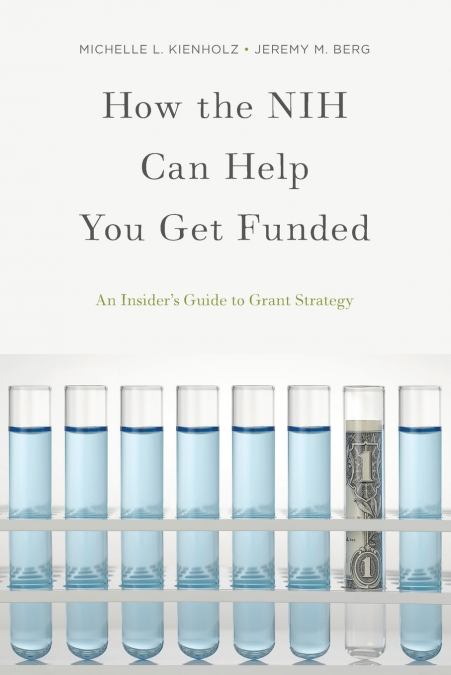
  • How the Nih Can Help You Get Funded
    Jeremy M Berg / Michelle L Kienholz
    How the NIH Can Help You Get Funded takes a novel, non-formulaic approach in teaching readers how to "write a grant" -- and much more. The authors draw on their decades of experience working with both investigators and NIH personnel to anticipate their questions and concerns and help establish a comfortable, productive partnership between them. With this book's focus on app...
    Disponible

    77,43 €