
Inicio > Humanidades > Historia > Historia regional y nacional > Historia de América > Slave Families and the Hato Economy in Puerto Rico
Slave Families and the Hato Economy in Puerto Rico

Slave Families and the Hato Economy in Puerto Rico

David M. Stark

31,00 €
IVA incluido
Disponible
Editorial:
Longleaf Services on behalf of U of Florida Press
Año de edición:
2017
Materia
Historia de América
ISBN:
9780813054735
31,00 €
IVA incluido
Disponible

Selecciona una librería:

  • Librería Samer Atenea
  • Kálamo Books
  • Librería Elías (Asturias)
  • Librería Kolima (Madrid)
  • Librería Proteo (Málaga)

'Deftly uses the available parish registers to document the stages of the coming of African men and women to Puerto Rico in the eighteenth century and reveals patterns of family formation and bonds of solidarity among the African slaves and with the rest of society.'- Fernando Pico, author of Puerto Rico Remembered 'An exceptionally well researched, highly original, cogently argued and engagingly written work.'-Franklin W. Knight, coeditor of Contemporary Caribbean Cultures and Societies in a Global Context 'A welcome contribution to the history of eighteenth-century Puerto Rico and an important model for anyone using sacramental records to study slave life in colonial Latin America.'-David Wheat, Michigan State University Scholarship on slavery in the Caribbean frequently emphasizes sugar and tobacco production, but this unique work illustrates the importance of the region’s hato economy-a combination of livestock ranching, foodstuff cultivation, and timber harvesting-on the living patterns among slave communities. David Stark makes use of extensive Catholic parish records to provide a comprehensive examination of slavery in Puerto Rico and across the Spanish Caribbean. He reconstructs slave families to examine incidences of marriage, as well as birth and death rates. The result are never-before-analyzed details on how many enslaved Africans came to Puerto Rico, where they came from, and how their populations grew through natural increase. Stark convincingly argues that when animal husbandry drove much of the island’s economy, slavery was less harsh than in better-known plantation regimes geared toward crop cultivation. Slaves in the hato economy experienced more favorable conditions for family formation, relatively relaxed work regimes, higher fertility rates, and lower mortality rates.

Artículos relacionados

  • Pan-Africanism and Education
    Kenneth J. King / Kenneth JKing
    This is an analysis of the complex links between Black America and Africa in the period of 1880 to 1945. It examines an extended white attempt to pattern politics and education in colonial Africa upon the example of the U.S. South. This export of United States race relations to Africa was resisted by Black intellectuals in the United States and many of the early nationalists in...
    Disponible

    24,60 €

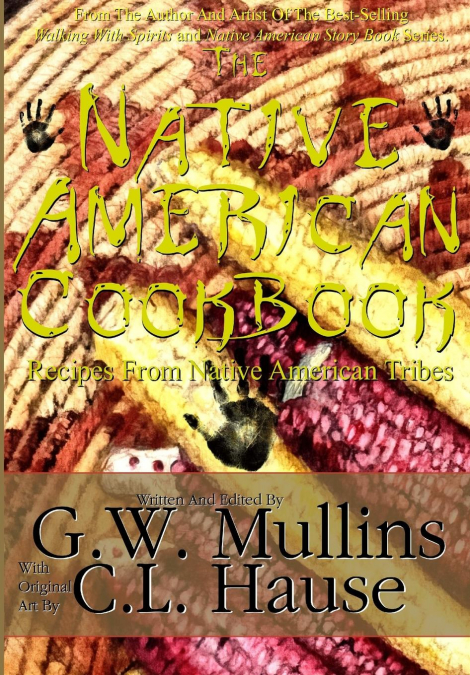
  • The Native American Cookbook Recipes From Native American Tribes
    G.W. Mullins
    Light Of The Moon Publishing along with Author G.W. Mullins and Illustrator / Artist C.L. Hause have joined together to explore Native American Indian Cooking.  More than just a cookbook, this Native American recipe collection offers a look into a forgotten past.  'The Native American Cookbook Recipes From Native American Tribes,' offers a large collection of recipes from and i...
    Disponible

    24,56 €

  • A Public Spirit
    George H. Atkinson
    George Henry Atkinson (1819-89) was a son of New England who arrived in the Oregon Territory in 1848, sent by the American Home Missionary Society. Although his commission from the Society specified that his work was to be ecclesiastical and educational, he took an approach to that assignment which went well beyond his mandate. Well-informed and energetic, he made an impact on ...
    Disponible

    10,45 €

  • North Carolina Women of the Confederacy
    Lucy London Anderson
    Long out of print, this volume of recollections, stories, and verse provides a glimpse of women's lives on the home front-and sometimes in the thick of battle-during the War between the States. Nearly fifty years after the American Civil War, Lucy Worth London Anderson (Mrs. John Huske Anderson) of Fayetteville, N.C., compiled one of the first memorial collections honoring the...
    Disponible

    17,20 €

  • Freedom by a Thread
    Freedom by a Thread: The History of Quilombos in Brazil brings together some of the best scholars in the world working on the history of quilombos (maroon societies) in Brazil from a variety of perspectives and approaches. Over 40 percent of the total volume of captive Africans arrived in Brazil during a 400-year period of legal and contraband transatlantic slaving. If slavery ...
    Disponible

    36,71 €

  • Nashville Baseball History
    Bill Traughber
    Nashville is a Big League city despite never having been home to a major league team. From the Civil War era, to star-studded exhibitions, to outstanding Negro Leagues teams, to some of the great minor league franchises of all time, few cities have as rich a baseball tradition as Nashville, Tennessee.Nashville sports historian Bill Traughber, who has been writing about baseball...
    Disponible

    13,15 €