Scientific Basis for Soil Protection in the European Community

Scientific Basis for Soil Protection in the European Community


64,62 €
IVA incluido
Disponible
Editorial:
Springer Nature B.V.
Año de edición:
2011
Materia
Conservación del medioambiente
ISBN:
9789401080453
64,62 €
IVA incluido
Disponible

Selecciona una librería:

  • Librería Samer Atenea
  • Librería Aciertas (Toledo)
  • Kálamo Books
  • Librería Perelló (Valencia)
  • Librería Elías (Asturias)
  • Donde los libros
  • Librería Kolima (Madrid)
  • Librería Proteo (Málaga)

PH. BOURDEAU Directorate-General Science. Research and Development. Commission of the European Communities. Brussels. Belgium We are living on a unique planet, the only one in the solar system where life exists. The very existence of life has modified the physical and chemical environment of the earth, its atmosphere and oceans, in a way that makes life sustainable. This system with its complex cybernetic mechanisms has been named GAIA by Lovelock. Man has always interfered with it on a more or less limited scale. This interference is now reaching global proportions such as climate modifications resulting from CO and trace gas 2 accumulation in the atmosphere or the destruction of stratospheric ozone, not to speak of global radioactive contamination. GAIA will probably prevail as a living system but it probably does not give much importance to man’s survival as such, and it is man that has to take care of his own survival. In the ecosystem of Planet Earth, soils are the thin interface between lithosphere and atmosphere which constitutes the essential substrate for the terrestrial biosphere, the productivity of which far exceeds that of the oceans, even though the latter cover a much larger area than the continents. Soils themselves are complex systems. They develop through weathering of minerals, are colonised by living organisms which in turn modify their substrate making it suitable for other organisms. This induces a primary ecological succession which eventually reaches a climax, in equilibrium between climate, soil and the biological communities.
Artículos relacionados

  • Inorganic Pollutants in Wastewater
    This book, 'Inorganic Pollutants in Wastewater: Methods of Analysis, Removal and Treatment' extensively investigates the most recent improvements in the area of inorganic pollutants analysis, removal and treatment of wastewater by utilizing different materials such as natural polymers, husks, graphene and carbon nanotube composites, fruit cortex etc. It covers photocata...
    Disponible

    144,10 €

  • 3D Recording and Modelling in Archaeology and Cultural Heritage
    The book derives from the experiences of the authors as lecturers and tutors at different international summer schools on reality-based surveying and 3D modelling in the field of archaeology and cultural heritage. The book is organized in three main sections. The first part aims to introduce and discuss the contribution of geomatic techniques in archaeology and more generally i...
    Disponible

    88,00 €

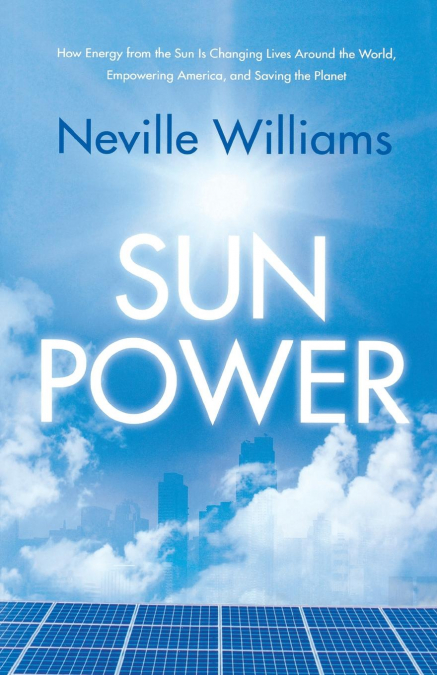
  • SUN POWER
    NEVILLE WILLIAMS
    ...
    Disponible

    24,27 €

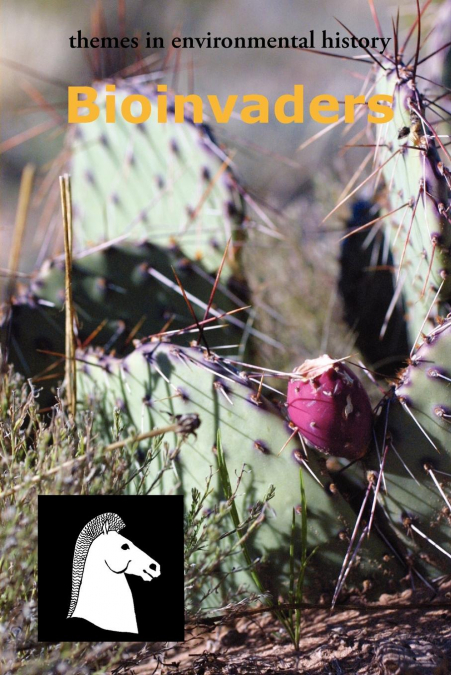
  • Bio-Invaders
    Sarah Johnson
    We are pleased to announce a new series ofenvironmental history readers, suitable for students.Comprising essays selected from our journals,Environment and History and Environmental Values,each inexpensive paperback volume will address animportant theme in environmental history, combiningunderlying theory and specific case-studies. The firstvolume, Bio-invaders, investigates th...
    Disponible

    39,21 €

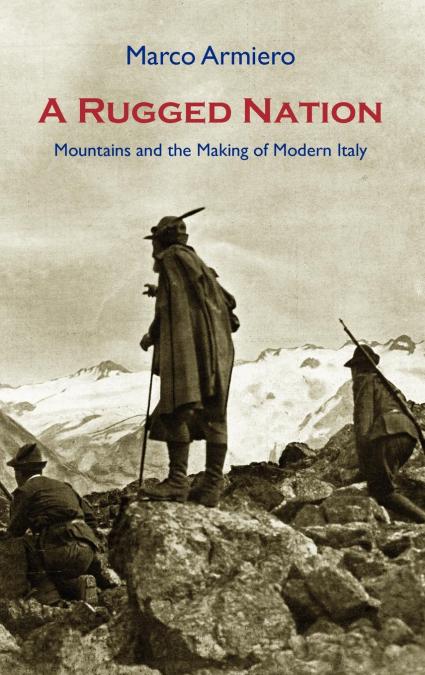
  • A Rugged Nation
    Marco Armiero
    Landscape, politics and history: the Italian mountains as a crucible of national and natural identity.This book is part of a wider current in environmental history, that explores the links between nature and nation. It uncovers how Italian identity and mountains have constituted one another. It argues that state regimes since unification in 1861 have made mountains into nationa...
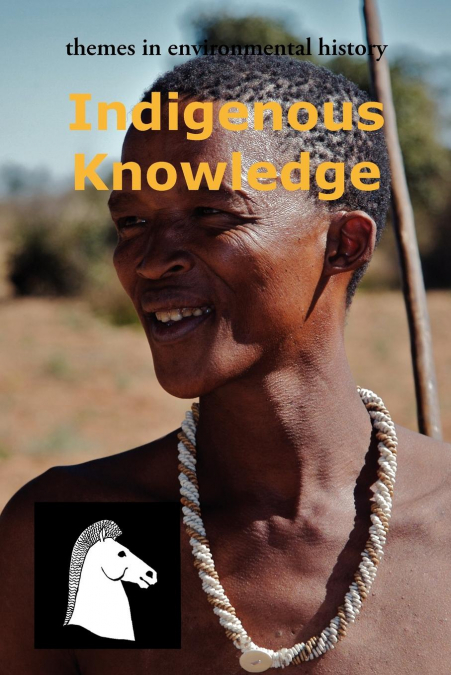
  • Indigenous Knowledge
    Sarah Johnson
    The third volume in the reader series, ’Themes in Environmental History’.Comprising essays selected from our journals, Environment and History and Environmental Values, these inexpensive paperbacks address important aspects of environmental history, by means of theoretical essays and case studies. Indigenous Knowledge investigates how indigenous peoples from various cultures in...
    Disponible

    38,83 €