 Librería Samer Atenea
 Kálamo Books
 Librería Elías (Asturias)
 Librería Kolima (Madrid)
 Librería Proteo (Málaga)
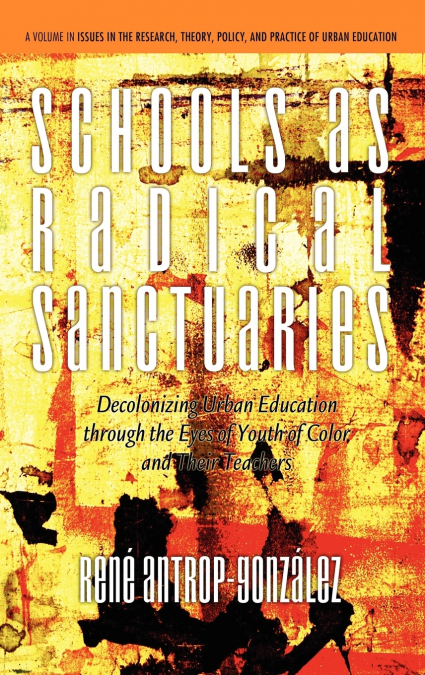
A volume in Issues in Urban EducationSeries Editors Denise E. Armstrong, Brock Universityand Brenda J. McMahon, University of North Carolina at CharlotteLarge, comprehensive urban high schools were designed and constructed with the belief thatthey could meet the needs of all its students, academic and otherwise. By and large, however,these schools have only done a good job of sorting students for specific jobs in a society basedon capitalism and White supremacy. Consequently, students schooled in these large institutionsare often sorted depending on how they are situated and/or perceived by institutional agents (i.e.teachers, administrators, guidance counselors, and other staff) along racial/ethnic, class, gender,sexual orientation, and ability lines. The overall result of such structurally and culturally-baseddiscriminatory practices has led to astronomically horrendous dropout/pushout rates amongurban youth, particularly those of color who live in poverty.However, in such a sea of despair, there exist islands of hope and miracles. These islands of hope and miracles are constituted of smallhigh schools that have become sanctuaries for their students, their families, and communities of color. Moreover, not only do theseschool sanctuaries exist, but they have the potential to serve as inspirations to communities that are looking to the small schools initiativeas a possible solution to the widespread failure of large, comprehensive high schools to serve their needs. Although much recentsmall schools research discusses the benefits of smallness, very little of this research demonstrates or acknowledges the various ways inwhich communities have created small schools that have established the necessary conditions to make them sustainable, culturally relevant,and linked to social justice while greatly impacting the improved academic achievement of their students. Therefore, the focus ofthis book is to advance the school as radical sanctuary concept as described through the history, curricula, and experiences of urbanyouth and their teachers in two small urban high schools. This book is important for thoseeducationists who wish to deepen their understanding of small school reform and its implicationsfor urban education.