Saproxylic Insects

Saproxylic Insects

Michael D. Ulyshen

408,87 €
IVA incluido
Disponible
Editorial:
Springer Nature B.V.
Año de edición:
2019
Materia
Conservación del medioambiente
ISBN:
9783030093587
408,87 €
IVA incluido
Disponible

Selecciona una librería:

  • Librería Samer Atenea
  • Librería Aciertas (Toledo)
  • Kálamo Books
  • Librería Perelló (Valencia)
  • Librería Elías (Asturias)
  • Donde los libros
  • Librería Kolima (Madrid)
  • Librería Proteo (Málaga)

This volume offers extensive information on insect life in dying and dead wood. Written and reviewed by leading experts from around the world, the twenty-five chapters included here provide the most global coverage possible and specifically address less-studied taxa and topics. An overarching goal of this work is to unite literature that has become fragmented along taxonomic and geographic lines. A particular effort was made to recognize the dominant roles that social insects (e.g., termites, ants and passalid beetles) play in saproxylic assemblages in many parts of the world without overlooking the non-social members of these communities.The book is divided into four parts:·       Part I 'Diversity' includes chapters addressing the major orders of saproxylic insects (Coleoptera, Diptera, Hymenoptera, Hemiptera, Lepidoptera and Blattodea), broadly organized in decreasing order of estimated global saproxylic diversity. In addition to order-level treatments, some chapters in this part discuss groups of particular interest, including pollinators, hymenopteran parasitoids, ants, stag and passalid beetles, and wood-feeding termites.·       Part II 'Ecology' discusses insect-fungal and insect-insect interactions, nutritional ecology, dispersal, seasonality, and vertical stratification.·       Part III 'Conservation' focuses on the importance of primary forests for saproxylic insects, offers recommendations for conserving these organisms in managed forests, discusses the relationships between saproxylic insects and fire, and addresses the value of tree hollows and highly-decomposed wood for saproxylic insects. Utilization of non-native wood by saproxylic insects and the suitability of urban environments for these organisms are also covered.·       Lastly, Part IV 'Methodological Advancements' highlights molecular tools for assessing saproxylic diversity. The book offers an accessible and insightful resource for natural historians of all kinds and will especially appeal to entomologists, ecologists, conservationists and foresters.

Artículos relacionados

  • Inorganic Pollutants in Wastewater
    This book, 'Inorganic Pollutants in Wastewater: Methods of Analysis, Removal and Treatment' extensively investigates the most recent improvements in the area of inorganic pollutants analysis, removal and treatment of wastewater by utilizing different materials such as natural polymers, husks, graphene and carbon nanotube composites, fruit cortex etc. It covers photocata...
    Disponible

    144,10 €

  • 3D Recording and Modelling in Archaeology and Cultural Heritage
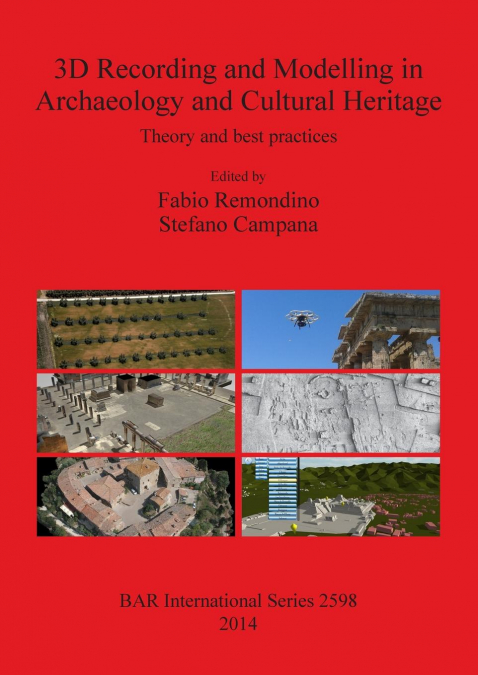
    The book derives from the experiences of the authors as lecturers and tutors at different international summer schools on reality-based surveying and 3D modelling in the field of archaeology and cultural heritage. The book is organized in three main sections. The first part aims to introduce and discuss the contribution of geomatic techniques in archaeology and more generally i...
    Disponible

    88,00 €

  • SUN POWER
    NEVILLE WILLIAMS
    ...
    Disponible

    24,27 €

  • Bio-Invaders
    Sarah Johnson
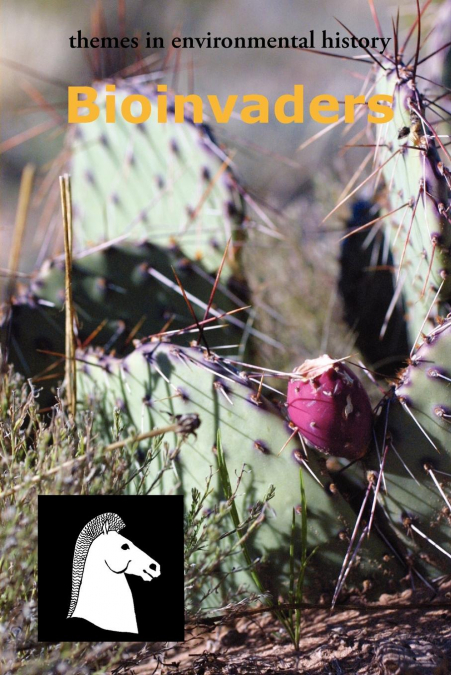
    We are pleased to announce a new series ofenvironmental history readers, suitable for students.Comprising essays selected from our journals,Environment and History and Environmental Values,each inexpensive paperback volume will address animportant theme in environmental history, combiningunderlying theory and specific case-studies. The firstvolume, Bio-invaders, investigates th...
    Disponible

    39,21 €

  • A Rugged Nation
    Marco Armiero
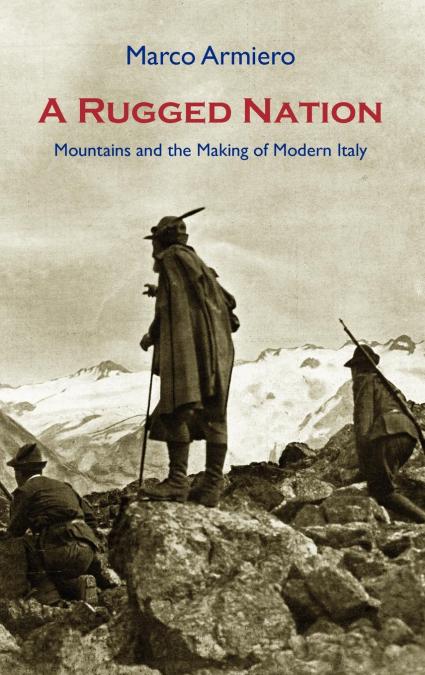
    Landscape, politics and history: the Italian mountains as a crucible of national and natural identity.This book is part of a wider current in environmental history, that explores the links between nature and nation. It uncovers how Italian identity and mountains have constituted one another. It argues that state regimes since unification in 1861 have made mountains into nationa...
  • Indigenous Knowledge
    Sarah Johnson
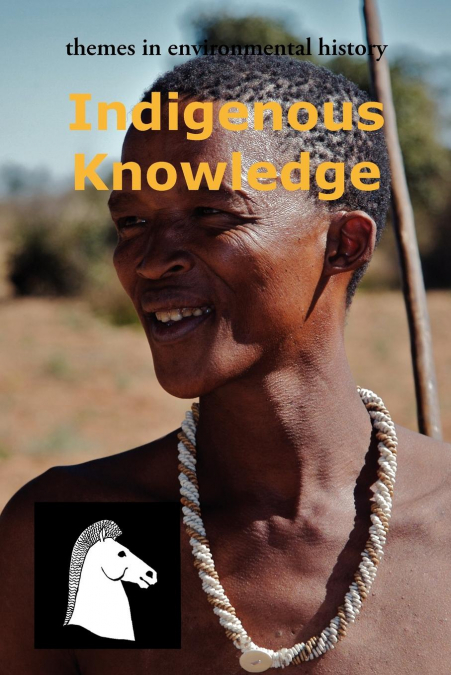
    The third volume in the reader series, ’Themes in Environmental History’.Comprising essays selected from our journals, Environment and History and Environmental Values, these inexpensive paperbacks address important aspects of environmental history, by means of theoretical essays and case studies. Indigenous Knowledge investigates how indigenous peoples from various cultures in...
    Disponible

    38,83 €