
Inicio > Artes > Arquitectura > Sanctioning Modernism
Sanctioning Modernism

Sanctioning Modernism

Vladimir Kulic

55,75 €
IVA incluido
Disponible
Editorial:
Univ of Chicago behalf of University of Texas
Año de edición:
2014
Materia
Arquitectura
ISBN:
9781477307595
55,75 €
IVA incluido
Disponible

Selecciona una librería:

  • Librería Samer Atenea
  • Librería Aciertas (Toledo)
  • Kálamo Books
  • Librería Perelló (Valencia)
  • Librería Elías (Asturias)
  • Donde los libros
  • Librería Kolima (Madrid)
  • Librería Proteo (Málaga)

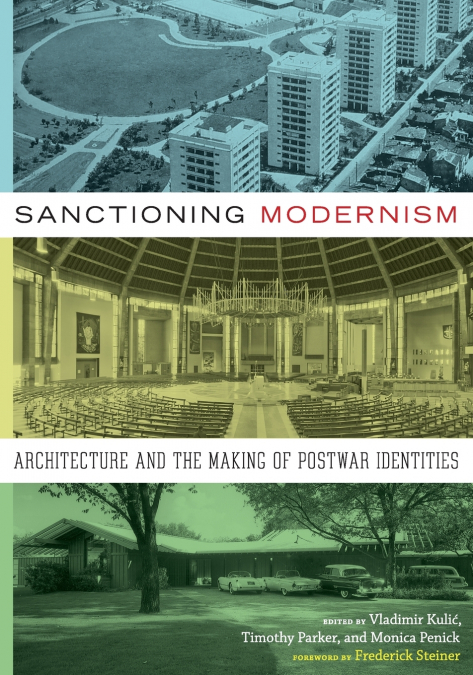
With new research on building programs in political, religious, and domestic settings in the United States and Europe, this collection of essays offers a fresh look at postwar modernism and the role that architecture played in constructing modern identities. In the decades following World War II, modern architecture spread around the globe alongside increased modernization, urbanization, and postwar reconstruction-and it eventually won widespread acceptance. But as the limitations of conventional conceptions of modernism became apparent, modern architecture has come under increasing criticism. In this collection of essays, experienced and emerging scholars take a fresh look at postwar modern architecture by asking what it meant to be 'modern,' what role modern architecture played in constructing modern identities, and who sanctioned (or was sanctioned by) modernism in architecture. This volume presents focused case studies of modern architecture in three realms-political, religious, and domestic-that address our very essence as human beings. Several essays explore developments in Czechoslovakia, Romania, and Yugoslavia and document a modernist design culture that crossed political barriers, such as the Iron Curtain, more readily than previously imagined. Other essays investigate various efforts to reconcile the concerns of modernist architects with the traditions of the Roman Catholic Church and other Christian institutions. And a final group of essays looks at postwar homebuilding in the United States and demonstrates how malleable and contested the image of the American home was in the mid-twentieth century. These inquiries show the limits of canonical views of modern architecture and reveal instead how civic institutions, ecclesiastical traditions, individual consumers, and others sought to sanction the forms and ideas of modern architecture in the service of their respective claims or desires to be modern.
Artículos relacionados

  • Selected Papers from Building A Better New Zealand (BBNZ 2014) Conference
    This Special Issue includes expanded academic papers selected from the forthcoming BBNZ 2014 Conference.The 2014 Building a Better New Zealand conference was held at The Rendezvous Hotel, Auckland, from 3 September 2014 to 5 September 2014.Themes:•Achieving Better Buildings•Improving the Performance of Materials•Improving the performance of existing buildings•Sustainability•Pro...
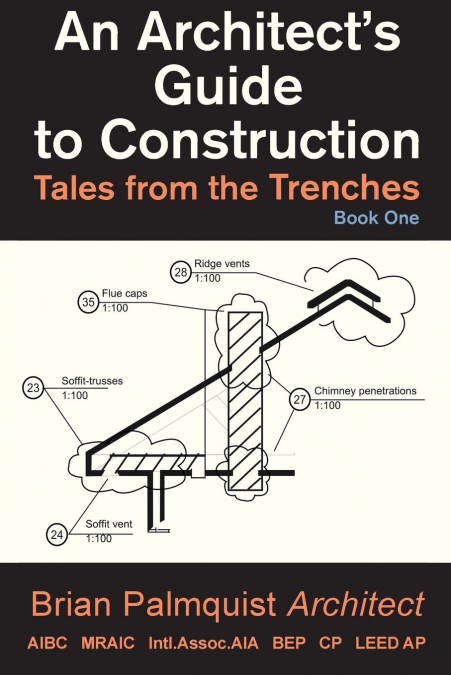
  • An Architect’s Guide to Construction
    Brian Palmquist
    After more than 35 years 'in the trenches' as an architect, specialist consultant and now quality director for a large North American construction company, Brian Palmquist has written An Architect’s Guide to Construction in order to share a balanced wealth of knowledge and experience about the construction phase of building projects.Considering both the consultant and contracto...
    Disponible

    19,68 €

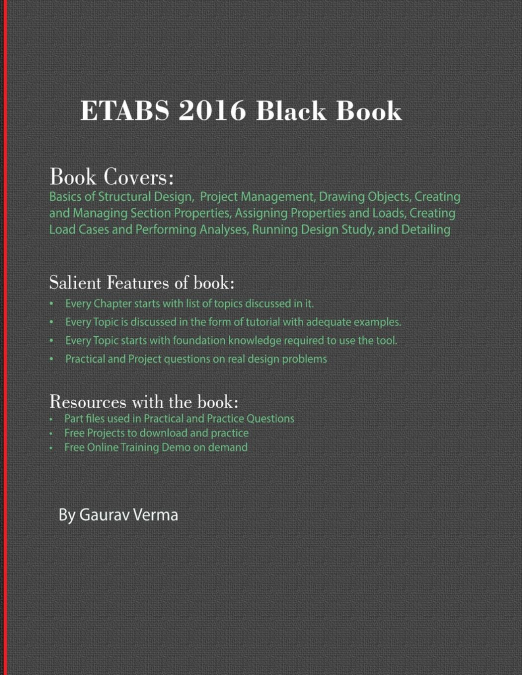
  • ETABS 2016 Black Book
    Gaurav Verma
    The ETABS 2016 Black Book, is written to help beginners learn the basics of ETABS structure modeling and analysis. The book follows a step by step methodology. This book explains the designing of structure, assigning various properties to structure, applying different load conditions, and performing analyses. This book also covers the basics of detailing in ETABS. The book cove...
    Disponible

    66,22 €

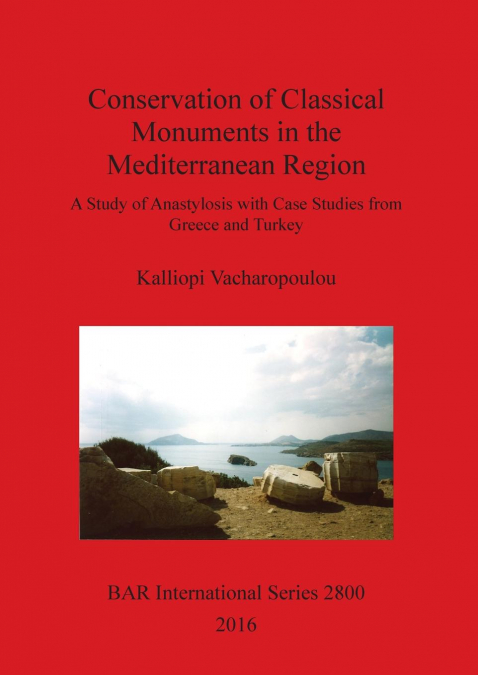
  • Conservation of Classical Monuments in the Mediterranean Region
    Kalliopi Vacharopoulou
    This work studies the conservation of classical monuments in the Mediterranean region. It focuses on a specific method, anastylosis, and its application to classical monuments. The terminology, philosophy, theoretical principles and technical issues of anastylosis are explored within the wider context of cultural heritage management, through case studies from Greece and Turkey,...
    Disponible

    128,17 €

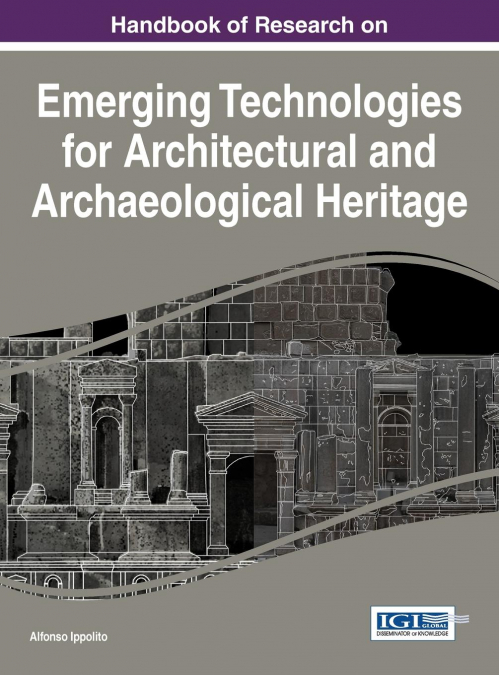
  • Handbook of Research on Emerging Technologies for Architectural and Archaeological Heritage
    Alfonso Ippolito
    Cultural heritage is a vital, multifaceted component of modern society. To better protect and promote the integrity of a culture, certain technologies have become essential tools. The Handbook of Research on Emerging Technologies for Architectural and Archaeological Heritage is an authoritative reference source for the latest scholarly research on the use of technological assis...
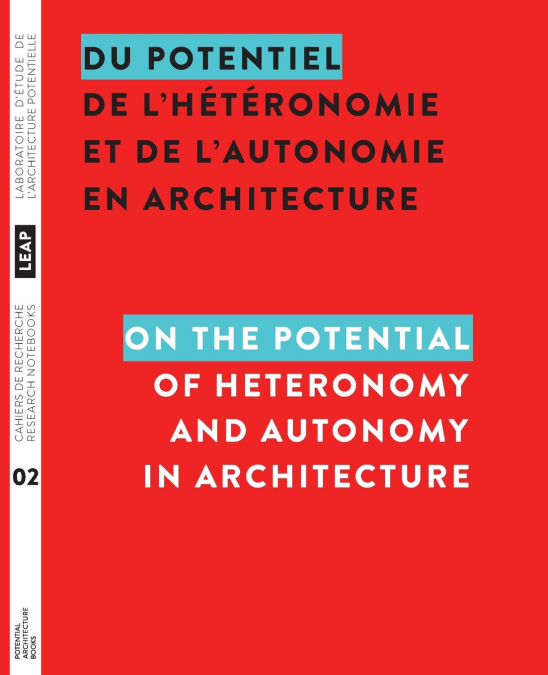
  • Du potentiel de l’hétéronomie et de l’autonomie en architecture / On the Potential of Heteronomy and Autonomy in Architecture
    Cette deuxième édition des Cahiers du Laboratoire d’Étude de l’Architecture Potentielle propose une réflexion sur l’un des problèmes centraux du Mouvement moderne et de la critique postmoderne : la tension entre l’hétéronomie et l’autonomie en architecture.Abordé à l’aide d’un texte peu connu de Stanford Anderson, le thème invitait chacun, chacune à penser l’architecture entre ...
    Disponible

    32,66 €

Otros libros del autor

  • Second World Postmodernisms
    Vladimir Kulic
    If postmodernism is indeed ’the cultural logic of late capitalism’, why did typical postmodernist themes like ornament, colour, history and identity find their application in the architecture of the socialist Second World? How do we explain the retreat into paper architecture and theoretical discussion in societies still nominally devoted to socialist modernization?Exploring th...
    Disponible

    54,90 €

  • Second World Postmodernisms
    Vladimir Kulic
    If postmodernism is indeed 'the cultural logic of late capitalism,†? why did typical postmodernist themes like ornament, color, history and identity find their application in the architecture of the communist-socialist Second World? How do we explain the retreat into paper architecture and theoretical discussion in societies still nominally devoted to socialist modernisation?Ex...