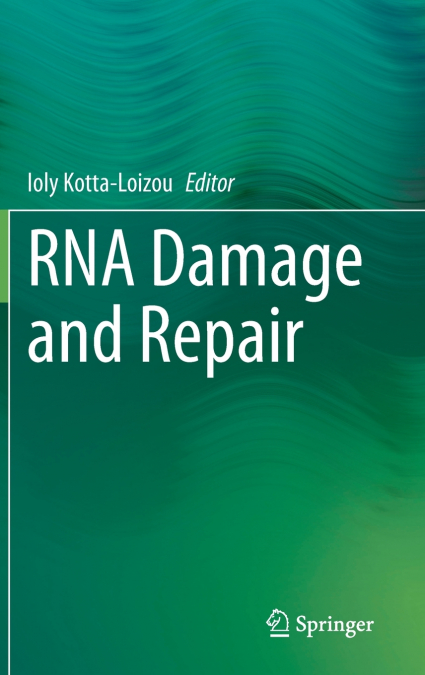
RNA Damage and Repair

RNA Damage and Repair

Ioly Kotta-Loizou

208,49 €
IVA incluido
Disponible
Editorial:
Springer Nature B.V.
Año de edición:
2022
Materia
Biología molecular
ISBN:
9783030765736
208,49 €
IVA incluido
Disponible

Selecciona una librería:

  • Librería Samer Atenea
  • Librería Aciertas (Toledo)
  • Kálamo Books
  • Librería Perelló (Valencia)
  • Librería Elías (Asturias)
  • Donde los libros
  • Librería Kolima (Madrid)
  • Librería Proteo (Málaga)

Ribonucleic acid (RNA) is a macromolecule that plays a central role in cell physiology: RNA molecules act as intermediates between the deoxyribonucleic acid (DNA), where genetic information is stored, and proteins, which perform the necessary functions within the cell. Traditionally, the structural and functional properties of RNA are closely linked to gene expression. However, RNA-based enzymes, called ribozymes, are also involved in catalysis and small RNAs regulate key cellular processes, such as cell growth, division, differentiation, aging and death. RNA is a sensitive macromolecule that can be easily damaged by environmental conditions (ultraviolet radiation, oxidative stress) and biological factors (ribonucleases, ribotoxins, CRISPR-Cas systems). Therefore, cells have developed mechanisms to protect and/or repair RNA molecules. This book presents an overview of the biology of RNA damage, protection and repair in prokaryotes and eukaryotes. Individual chapters cover the expression regulation, enzymology and physiological role of such systems, and link them to important human diseases such as cancer and degenerative diseases.

Artículos relacionados

  • DNA LOGIC DESIGN
    BABU HAFIZ MD. HASAN / Hafiz Md. Hasan Babu
    A DNA computer is a collection of specially selected DNA strands, which when encoded into specific combinations are then subjected to bio-molecular manipulation in order to solve computational problems. Rather than storing information in the 1s and 0s of the binary number system, it is now stored in the form of the bases adenine (A), thymine (T), cytosine (C) and guanine (G). T...
  • Vitamin Receptors
    Krishnamurti Dakshinamurti
    ...
    Disponible

    60,38 €

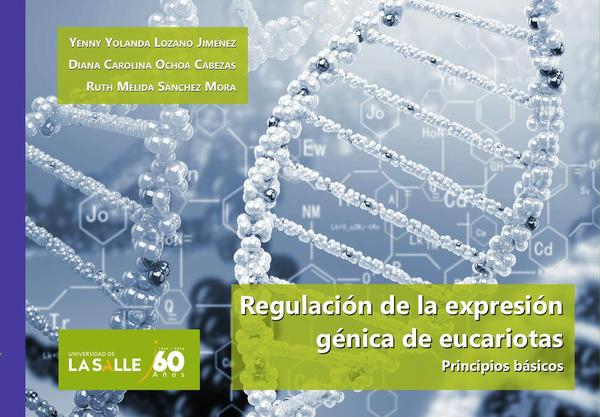
  • Regulación de la expresión génica de eucariotas
    Yenny Yolanda Lozano Jiménez
    En el amplio escenario de la biología celular, la regulación de la expresión génica emerge como un proceso vital que rige la vida de los organismos. Por ello, este libro sumerge al lector en el fascinante mundo donde cada célula coordina la activación y desactivación de genes para asegurar su funcionamiento y adaptación al entorno. Desde la interacción de factores de transcripc...
    Disponible

    26,00 €

  • Three-Dimensional Electron Microscopy of Macromolecular Assemblies
    Joachim Frank
    ...
    Disponible

    272,39 €

  • The Biochemistry of Inorganic Compounds of Sulphur
    A. B. Roy / ABRoy / P. A. Trudinger / PATrudinger
    ...
    Disponible

    77,03 €

  • Annotated Catalogue of African Grasshoppers
    H. B. Johnston / HBJohnston
    ...
    Disponible

    80,25 €

Otros libros del autor

  • RNA Damage and Repair
    Ioly Kotta-Loizou
    Ribonucleic acid (RNA) is a macromolecule that plays a central role in cell physiology: RNA molecules act as intermediates between the deoxyribonucleic acid (DNA), where genetic information is stored, and proteins, which perform the necessary functions within the cell. Traditionally, the structural and functional properties of RNA are closely linked to gene expression. However,...
  • Mycoviruses
    Ioly Kotta-Loizou
    A virus (from the Latin word ‘vīrus’ meaning ‘venom’ or ‘poison’) is a microorganism invisible to the naked eye. Viruses can multiply exclusively by entering a cell and using the cell’s resources to create copies of themselves. As the origin of their name suggests, viruses are generally considered dangerous, harmful and often deadly. Some of the most well-studied and widely kno...
    Disponible

    83,84 €