 Librería Samer Atenea
 Kálamo Books
 Librería Elías (Asturias)
 Librería Kolima (Madrid)
 Librería Proteo (Málaga)
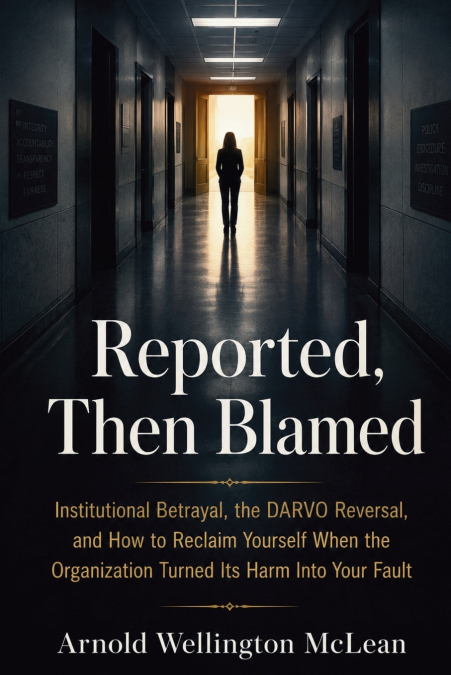
You did what you were supposed to do. You saw something wrong, or something wrong was done to you, and you reported it to the people whose job was to handle it. Then the ground shifted, and somehow the problem became you. If that reversal is familiar, this book was written for you. What This Book Helps You See When an institution is confronted with wrongdoing that threatens its interests, it often protects itself instead of the person who reported. It denies the harm, attacks the reporter’s credibility and character, and reverses the roles until the one who came forward becomes the one accused. Psychologists call this pattern DARVO, and when a body you depended on does it, the betrayal cuts deep. This book helps you see the reversal for what it is, keep your bearings while it happens, and reclaim a self the institution tried to define. Why This Book Is Different Whistleblower and workplace books tend to cover the law or the procedure. This one addresses the part they leave out: the psychological reversal and how to survive it. It names the tactic precisely, follows it through the institution’s machinery of investigations, closed ranks, and gaslighting, and carries a strong accountability spine, giving you a fair self-check to tell a genuine mistake you should own from a false frame you should refuse. Grounded in published research on institutional betrayal and built around realistic case studies and practical tools, it treats the decision to stay, leave, or pursue as yours to make, and repeatedly points you toward the proper legal help a book cannot replace. This Book Is For Readers Who This book is for readers who reported misconduct, harm, discrimination, or a safety concern and were recast as the problem; who face an investigation, a disciplinary process, or retaliation; who cannot tell whether they got it wrong or were reversed; who watched colleagues fall silent and the organization close ranks; and who want to understand institutional betrayal and whistleblower retaliation with clarity rather than slogans. You turned to them for help, and they turned on you. That was never the measure of who you are. If you want a clear, evidence-based way to understand what happened and to come back to a self you can trust, this book offers a structured place to begin.