
Inicio > Ciencias de la tierra, geografía, medioambiente, planificación > Geografía > Remotely Sensed Rivers in the Age of Anthropocene
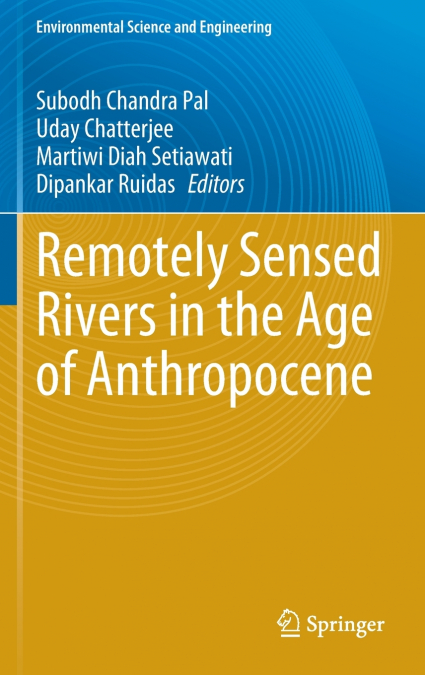
Remotely Sensed Rivers in the Age of Anthropocene

Remotely Sensed Rivers in the Age of Anthropocene


327,60 €
IVA incluido
Consulta disponibilidad
Editorial:
Springer Nature B.V.
Año de edición:
2025
Materia
Geografía
ISBN:
9783031823107

Selecciona una librería:

  • Librería Samer Atenea
  • Librería Aciertas (Toledo)
  • Kálamo Books
  • Librería Perelló (Valencia)
  • Librería Elías (Asturias)
  • Donde los libros
  • Librería Kolima (Madrid)
  • Librería Proteo (Málaga)

This book offers a geospatial technology approach to data mining techniques, data analysis, modeling, risk assessment, and visualization, as well as management strategies in many elements of river basin risks. This book investigates cutting-edge techniques based on open source software and R statistical programming Google Earth Engine and modeling in modern artificial intelligence techniques, with a particular emphasis on recent trends in data mining techniques and robust modeling in river basin management. It includes significant issues such as geomorphological hazards, climate change, catastrophic natural disasters, meteorological and agricultural drought monitoring, landslides or mudslides (mudflow), floods and flash floods, soil erosion, and land degradation. This book’s contents are of interest to earth and environmental scientists, professionals, and policymakers. The book examines spatial modeling, risk evaluation of a drainage basin in the domain of environmental and social issues, management, and associated research. Due to poorly understood climate change and unclear man-made activity, there are several problems and uncertainties in studying earth’s environmental circumstances, making it exceedingly difficult to analyze and make knowledgeable judgments. Many difficulties, on the other hand, are caused by mismanagement of present and future land, water, and forestry resources. It is also critical to use new technology and methods to improve and reinforce environmental protection. The link between the three devices, namely remote sensing (RS), GIS, and the R programming interface, is acknowledged in this respect. Land conservation measures, soil and water quality control, and new rules should all rely on correct measurements and predictions, and three technologies (RS, GIS, and R) and open access quantitative forecasting methodologies help with climate change and better management regulations. Nonetheless, this book serves as a feasible framework for studying current breakthroughs in geospatial artificial intelligence technologies and their relevance to the planet’s environmental and socioeconomic concerns in a single volume.

Artículos relacionados

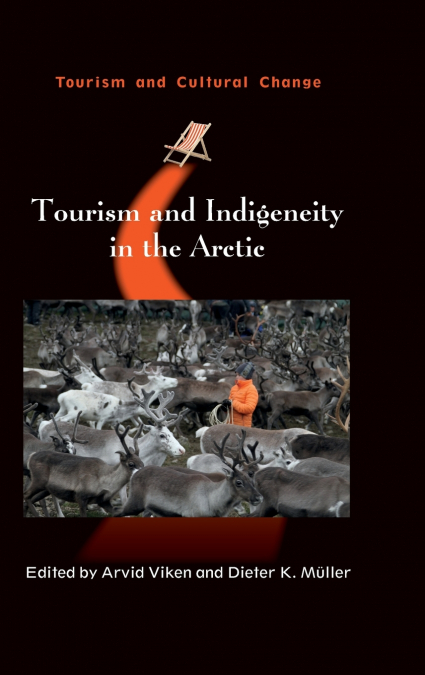
  • Tourism and Indigeneity in the Arctic
    This is the first book to exclusively address tourism and indigenous peoples in the circumpolar North. It examines how tourism in indigenous communities is influenced by academic and political discourses, and how these communities are influenced by tourism. The volume focuses on the ambivalence relating to tourism as a modern force within ethnic groups who are concerned with ma...
  • Playas en la costa caribeña colombiana
    Diva Marcela Piamba Tulcán / Eduardo Silva Peña / Eliana Díaz Muñoz / Juliana Javierre / Mónica María Del Valle Idárraga / Yessica Chiquillo
    En este libro, reconstruimos el surgimiento y transformación de varias playas del hoy llamado Caribe colombiano, como playas turísticas, entre 1950 y 1990. Mediante un análisis de archivos periodísticos y audiovisuales y de narraciones de Amira de la Rosa, Jaime Manrique, Fanny Buitrago, Tomás González, entre otros, desanudamos el cronotopo playas, tomando como foco Prado Mar y...
    Disponible

    20,75 €

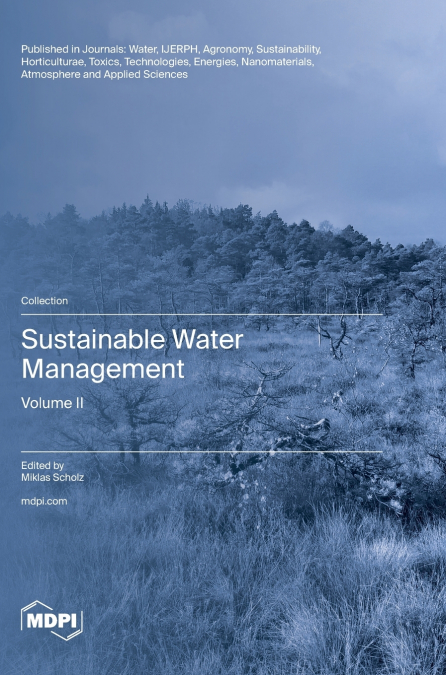
  • Sustainable Water Management
    Miklas Scholz
    The collection is comprised of 40 reprinted articles grouped into six sections. Section 1 is concerned with the interface between climate change, water resources and public health. The water-related impacts of climate change on agriculture and, subsequently, on public health are also assessed. Agricultural water management is covered in Section 2. Novel water retention and nutr...
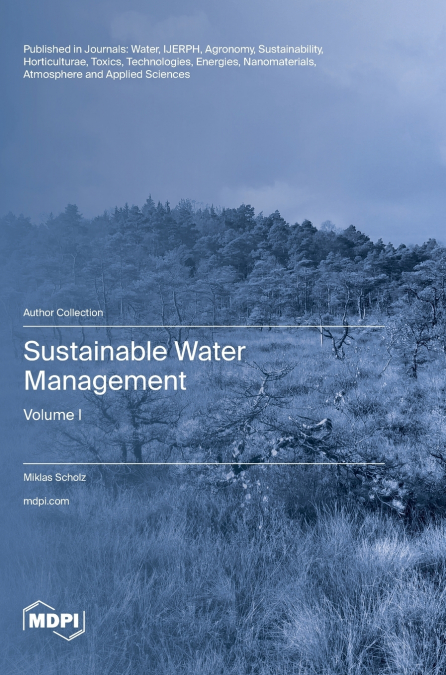
  • Sustainable Water Management
    Miklas Scholz
    The collection is comprised of 40 reprinted articles grouped into six sections. Section 1 is concerned with the interface between climate change, water resources and public health. The water-related impacts of climate change on agriculture and, subsequently, on public health are also assessed. Agricultural water management is covered in Section 2. Novel water retention and nutr...
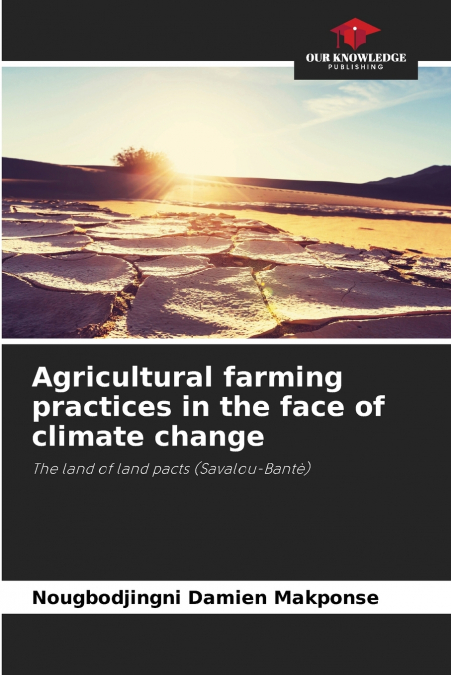
  • Agricultural farming practices in the face of climate change
    Nougbodjingni Damien Makponse
    In recent years, the land pact region has experienced the vulnerability and adverse effects of climate change. This research analyses the adaptation strategies used by farmers to improve their living conditions. The methodology used consists of collecting, processing and analysing results based on 120 farmers in two districts of each commune. The field results reveal that the i...
    Disponible

    48,30 €

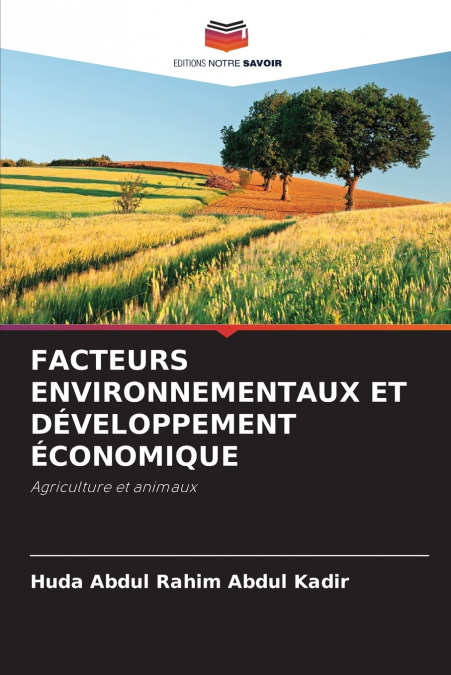
  • FACTEURS ENVIRONNEMENTAUX ET DÉVELOPPEMENT ÉCONOMIQUE
    Huda Abdul Rahim Abdul Kadir
    Les facteurs environnementaux qui nous entourent sont nombreux, les hommes, les animaux et les plantes en sont affectés, et affectent l’activité et la capacité de production, ainsi que l’économie de la vie qui en est affectée sous différents aspects. L’effet de ces facteurs se reflète clairement sur l’agriculture générale et comprend de nombreux types de produits, y compris les...
    Disponible

    54,38 €