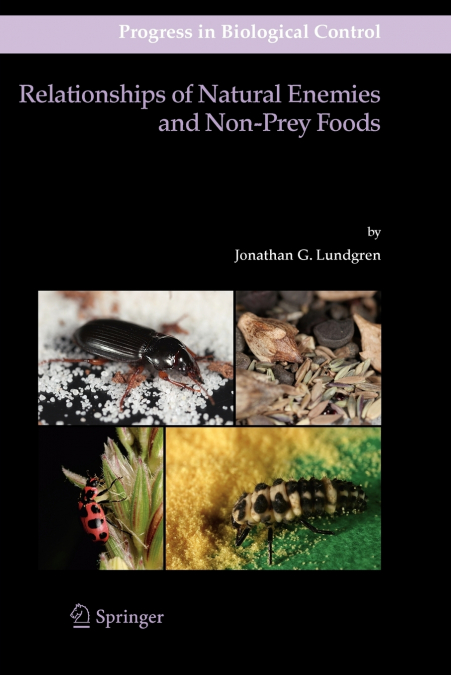

Relationships of Natural Enemies and Non-prey Foods

Relationships of Natural Enemies and Non-prey Foods

Jonathan G. Lundgren

267,17 €
IVA incluido
Consulta disponibilidad
Editorial:
Springer Nature B.V.
Año de edición:
2009
Materia
Zoología y ciencias animales
ISBN:
9781402092343

Selecciona una librería:

  • Librería Samer Atenea
  • Librería Aciertas (Toledo)
  • Kálamo Books
  • Librería Perelló (Valencia)
  • Librería Elías (Asturias)
  • Donde los libros
  • Librería Kolima (Madrid)
  • Librería Proteo (Málaga)

Feeding on Non-Prey Resources by Natural Enemies Moshe Coll Reports on the consumption of non-prey food sources, particularly plant materials, by predators and parasitoids are common throughout the literature (reviewed recently by Naranjo and Gibson 1996, Coll 1998a, Coll and Guershon, 2002). Predators belonging to a variety of orders and families are known to feed on pollen and nectar, and adult parasitoids acquire nutrients from honeydew and floral and extrafloral nectar. A recent publication by Wäckers et al. (2005) discusses the p- visioning of plant resources to natural enemies from the perspective of the plant, exploring the evolutionary possibility that plants enhance their defenses by recru- ing enemies to food sources. The present volume, in contrast, presents primarily the enemies’ perspective, and as such is the first comprehensive review of the nut- tional importance of non-prey foods for insect predators and parasitoids. Although the ecological significance of feeding on non-prey foods has long been underappreciated, attempts have been made to manipulate nectar and pollen ava- ability in crop fields in order to enhance levels of biological pest control by natural enemies (van Emden, 1965; Hagen, 1986; Coll, 1998a). The importance of n- prey foods for the management of pest populations is also discussed in the book.
Artículos relacionados

  • Animaltown
    Urban space constitutes a place where people and animals live together in close proximity with each other, creating changing landscapes of co-existence, conflict, mutual dependencies and exploitation. The medieval animals found in the articles of Animaltown: Beasts in Medieval Urban Space, appear in text and image, as well as archaeological find materials in the form of butcher...
    Disponible

    109,24 €

  • Pleasurable Kingdom
    Jonathan Balcombe
    Pleasurable Kingdom presents new evidence that animals--like humans--enjoy themselves. From birds to baboons, insects to iguanas, animals feel good thanks to play, sex, touch, food, anticipation, comfort, aesthetics, and more. Combining rigorous evidence, elegant argument and amusing anecdotes, leading animal behavior researcher Jonathan Balcombe shows that the possibility of p...
    Disponible

    18,96 €

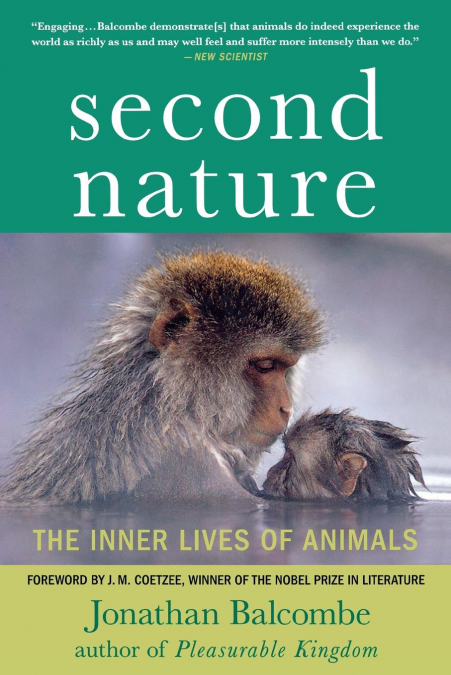
  • SECOND NATURE
    Jonathan Balcombe
    ...
    Disponible

    16,52 €

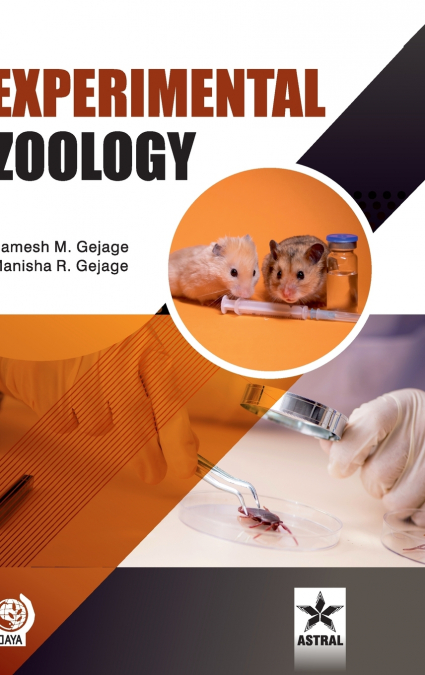
  • Experimental Zoology
    Manisha R Gejage / Ramesh M Gejage
    The goal of the book is to present the practical knowledge of Zoology. Animal diversity, venomous and non-venomous snakes, study of birds, brain of fowl and hyoid apparatus, sclerotic plates, pecten and collumella of fowl, scales of fishes, biochemical tests, activity of salivary amylase, estimation of total protein and lipid, DNA isolation and estimation of uric acid are given...
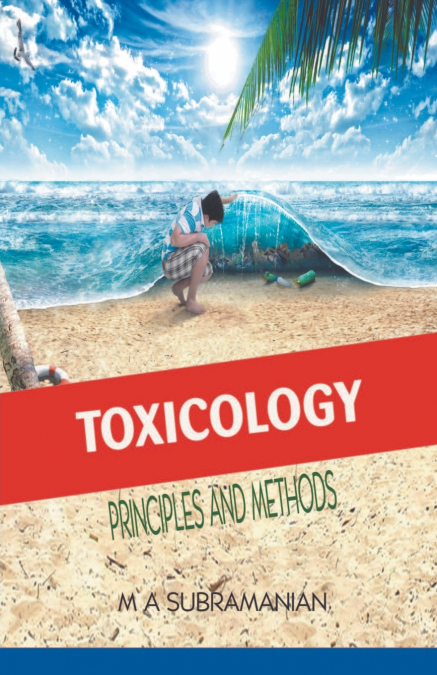
  • TOXICOLOGY
    M A SUBRAMANIAN
    In an era defined by burgeoning human populations, rampant industrialization, cutting-edge technological progress, and expanding urban landscapes, the integrity of our natural environment faces unprecedented challenges. The relentless march of progress has ushered in a flood of chemicals, seeping into the very fabric of our ecosystems and posing insidious threats to biological ...
    Disponible

    23,69 €

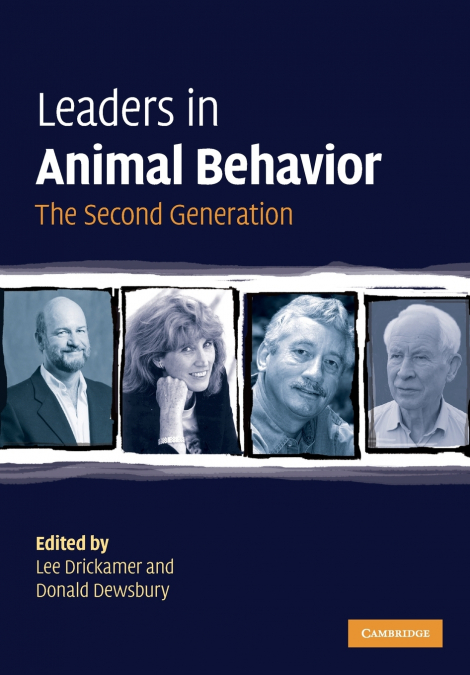
  • Leaders in Animal Behavior
    Donald Dewsbury / Lee Drickamer
    ...
    Disponible

    64,68 €

Otros libros del autor

  • Relationships of Natural Enemies and Non-prey Foods
    Jonathan G. Lundgren
    Feeding on Non-Prey Resources by Natural Enemies Moshe Coll Reports on the consumption of non-prey food sources, particularly plant materials, by predators and parasitoids are common throughout the literature (reviewed recently by Naranjo and Gibson 1996, Coll 1998a, Coll and Guershon, 2002). Predators belonging to a variety of orders and families are...
    Disponible

    243,62 €