Reinvention of Atlantic Slavery

Reinvention of Atlantic Slavery

Daniel B Rood

49,82 €
IVA incluido
Disponible
Editorial:
Oxford University Press
Año de edición:
2020
Materia
Historia de América
ISBN:
9780197528426
49,82 €
IVA incluido
Disponible

Selecciona una librería:

  • Librería Samer Atenea
  • Librería Aciertas (Toledo)
  • Kálamo Books
  • Librería Perelló (Valencia)
  • Librería Elías (Asturias)
  • Donde los libros
  • Librería Kolima (Madrid)
  • Librería Proteo (Málaga)

The period of the "second slavery" was marked by geographic expansion of zones of slavery into the Upper US South, Cuba, and Brazil and chronological expansion into the industrial age.As The Reinvention of Atlantic Slavery shows, ambitious planters throughout the Greater Caribbean hired a transnational group of chemists, engineers, and other "plantation experts" to assist them in adapting industrial technologies to suit their "tropical" needs and increase profitability. Not only were technologies reinvented so as to keep manufacturing processes local but slaveholders' adaptation of new racial ideologies also shaped their particular usage of new machines. Finally, these businessmen forged a new set of relationships with one another in order to sidestep the financial dominance of Great Britain and the northeastern United States.In addition to promoting new forms of mechanization, the technical experts depended on the know-how of slaves alongside whom they worked. Bondspeople with industrial craft skills played key roles in the development of new production processes and technologies like sugar mills. While the very existence of such skilled slaves contradicted prevailing racial ideologies and allowed black people to wield power in their own interest, their contributions grew the slave economies of Cuba, Brazil, and the Upper South. Together reform-minded planters, technical experts, and enslaved people modernized sugar plantations in Louisiana and Cuba; brought together rural Virginia wheat planters and industrial flour-millers in Richmond with the coffee-planting system of southeastern Brazil; and enabled engineers and iron-makers in Virginia to collaborate with railroad and sugar entrepreneurs in Cuba.Through his examination of the creation of these industrial bodies of knowledge, Daniel B. Rood demonstrates the deepening dependence of the Atlantic economy on forced labor after a few revolutionary decades in which it seemed the institution of slavery might be destroyed. The reinvention of this plantation world in the 1840s and 1850s brought a renewed movement in the 1860s, especially from enslaved people themselves in the United States and Cuba, to end chattel slavery.This account of capitalism, technology, and slavery offers new perspectives on the nineteenth-century Americas.

Artículos relacionados

  • Pan-Africanism and Education
    Kenneth J. King / Kenneth JKing
    This is an analysis of the complex links between Black America and Africa in the period of 1880 to 1945. It examines an extended white attempt to pattern politics and education in colonial Africa upon the example of the U.S. South. This export of United States race relations to Africa was resisted by Black intellectuals in the United States and many of the early nationalists in...
    Disponible

    24,60 €

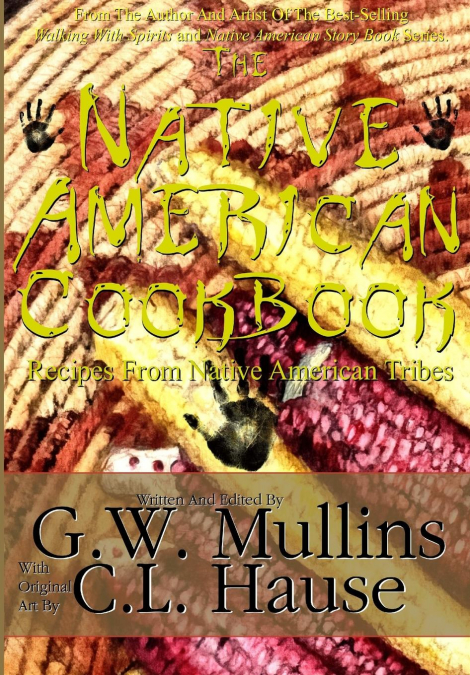
  • The Native American Cookbook Recipes From Native American Tribes
    G.W. Mullins
    Light Of The Moon Publishing along with Author G.W. Mullins and Illustrator / Artist C.L. Hause have joined together to explore Native American Indian Cooking.  More than just a cookbook, this Native American recipe collection offers a look into a forgotten past.  'The Native American Cookbook Recipes From Native American Tribes,' offers a large collection of recipes from and i...
    Disponible

    24,56 €

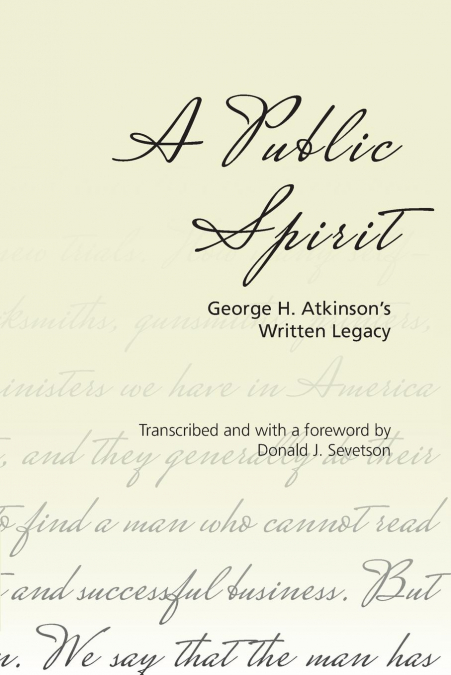
  • A Public Spirit
    George H. Atkinson
    George Henry Atkinson (1819-89) was a son of New England who arrived in the Oregon Territory in 1848, sent by the American Home Missionary Society. Although his commission from the Society specified that his work was to be ecclesiastical and educational, he took an approach to that assignment which went well beyond his mandate. Well-informed and energetic, he made an impact on ...
    Disponible

    10,45 €

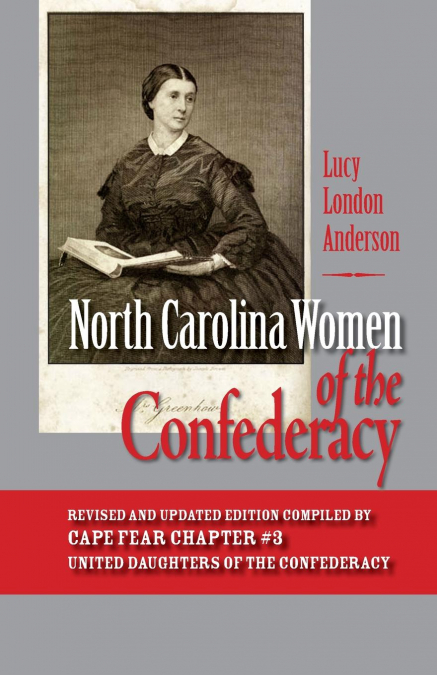
  • North Carolina Women of the Confederacy
    Lucy London Anderson
    Long out of print, this volume of recollections, stories, and verse provides a glimpse of women's lives on the home front-and sometimes in the thick of battle-during the War between the States. Nearly fifty years after the American Civil War, Lucy Worth London Anderson (Mrs. John Huske Anderson) of Fayetteville, N.C., compiled one of the first memorial collections honoring the...
    Disponible

    17,20 €

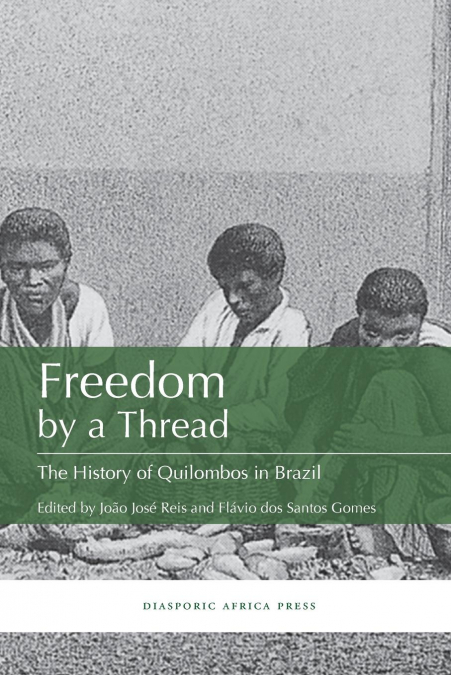
  • Freedom by a Thread
    Freedom by a Thread: The History of Quilombos in Brazil brings together some of the best scholars in the world working on the history of quilombos (maroon societies) in Brazil from a variety of perspectives and approaches. Over 40 percent of the total volume of captive Africans arrived in Brazil during a 400-year period of legal and contraband transatlantic slaving. If slavery ...
    Disponible

    36,71 €

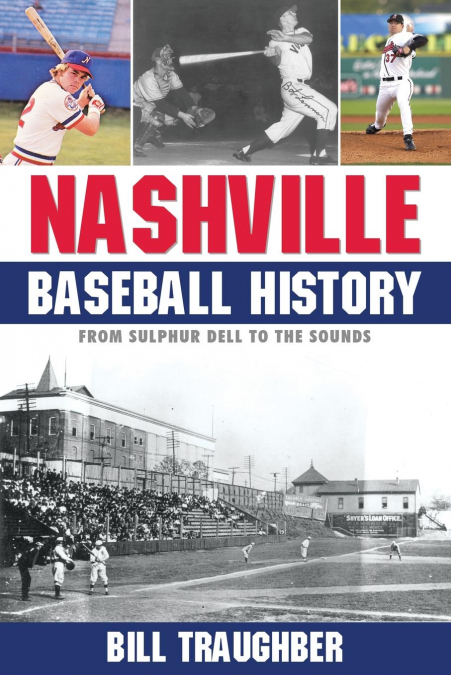
  • Nashville Baseball History
    Bill Traughber
    Nashville is a Big League city despite never having been home to a major league team. From the Civil War era, to star-studded exhibitions, to outstanding Negro Leagues teams, to some of the great minor league franchises of all time, few cities have as rich a baseball tradition as Nashville, Tennessee.Nashville sports historian Bill Traughber, who has been writing about baseball...
    Disponible

    13,15 €