Protein Sequencing Protocols

Protein Sequencing Protocols

Bryan John Smith

218,96 €
IVA incluido
Disponible
Editorial:
Springer Nature B.V.
Año de edición:
2010
Materia
Bioquímica
ISBN:
9781617372841
218,96 €
IVA incluido
Disponible

Selecciona una librería:

  • Librería Samer Atenea
  • Librería Aciertas (Toledo)
  • Kálamo Books
  • Librería Perelló (Valencia)
  • Librería Elías (Asturias)
  • Donde los libros
  • Librería Kolima (Madrid)
  • Librería Proteo (Málaga)

Determination of the protein sequence is as important today as it was a half century ago, even though the techniques and purposes have changed over time. Mass spectrometry has continued its recent rapid development to find notable application in the characterization of small amounts of protein, for example, in the field of proteomics. The 'traditional' chemical N-terminal sequencing is still of great value in quality assurance of the increasing number of biopharmaceuticals that are to be found in the clinic, checking processing events of recombinant proteins, and so on. It is joined in the armory of me- ods of protein analysis by such techniques as C-terminal sequencing and amino acid analysis. These methods are continually developing. The first edition of Protein Sequencing Protocols was a 'snapshot' of methods in use in protein biochemistry laboratories at the time, and this, the second edition, is likewise. Methods have evolved in the intervening period, and the content of this book has similarly changed, the content of some chapters having been superceded and replaced by other approaches. Thus, in this edition, there is inclusion of approaches to validation of methods for quality assurance work, reflecting the current importance of biopharmaceuticals, and also a guide to further analysis of protein sequence information, acknowledging the importance of bioinformatics.
Artículos relacionados

  • Implementation of Automated Urinary Sediment Analyzer UF1000
    Adriana Manuel
    Comparative work of Urinary Sediment between data obtained in automated platform, Roche UF 1000 flow cytometer versus the gold standard optical microscopy method. This work was carried out with raw data from known patients whose expected results allowed us to define the non-pathological sample parameters obtained in automated equipment. The experience was enriching, working wit...
    Disponible

    48,30 €

  • Bioprocess Technology
    I Arul Pandi / P T Kalaichelvan
    Dive into the dynamic world of Bioprocess Technology, where biology, engineering, materials science, and clinical procedures seamlessly converge to create a multidisciplinary marvel. In an era where innovation knows no bounds, Bioprocessing stands at the forefront, transcending boundaries to shape diverse facets of the biological landscape.This illuminating book is meticulously...
    Disponible

    45,13 €

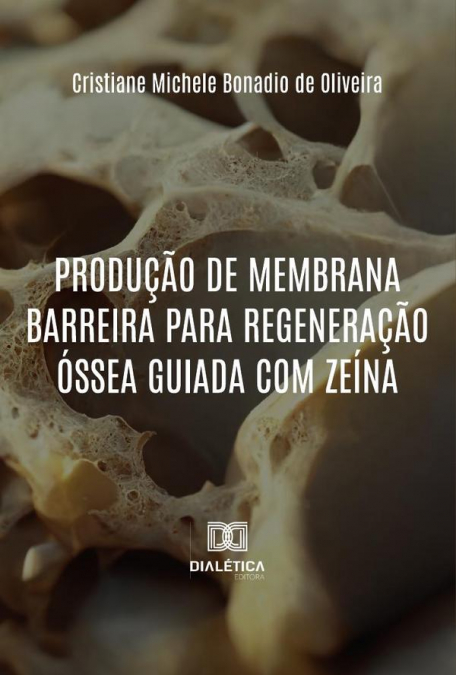
  • Produção De Membrana Barreira Para Regeneração Óssea Guiada Com Zeína
    Cristiane Michele Bonadio De Oliveira
    O Presente Estudo Desenvolveu Uma Membrana Com Proteína De Origem Vegetal Conhecida Por Zeína, Com Possibilidades Biodegradáveis Para Regeneração Óssea Guiada (Rog), Sendo Suas Particularidades Discutidas Ao Longo Do Trabalho. Para Melhor Entendimento A Respeito Do Tema, Serão Discutidos Alguns Conceitos E Definições Acerca Da Proteína E Da Rog. 10 ...
    Disponible

    17,16 €

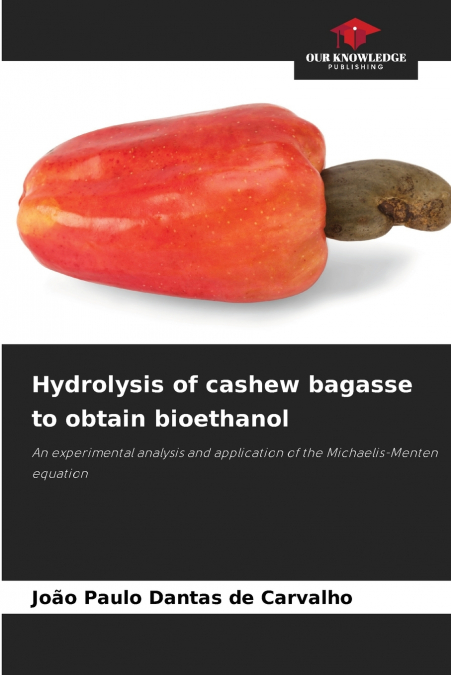
  • Hydrolysis of cashew bagasse to obtain bioethanol
    João Paulo Dantas de Carvalho
    Recently, the global demand for fuel ethanol has been expanding very rapidly, and almost all fuel ethanol is produced by fermenting sucrose in Brazil or corn glucose in the United States, but these raw materials will not be enough to satisfy international demand. Agro-industrial lignocellulosic residues, such as cashew bagasse, sugarcane bagasse, soybean hulls, etc., are abunda...
    Disponible

    54,32 €

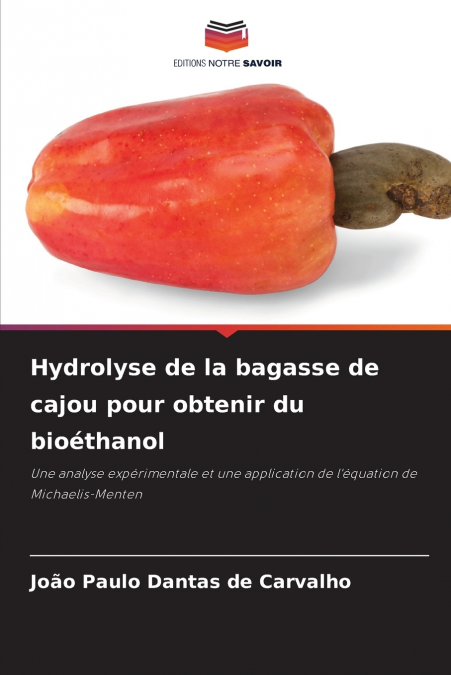
  • Hydrolyse de la bagasse de cajou pour obtenir du bioéthanol
    João Paulo Dantas de Carvalho
    Récemment, la demande mondiale d’éthanol-carburant a augmenté très rapidement, et presque tout l’éthanol-carburant est produit par fermentation de saccharose au Brésil ou de glucose de maïs aux États-Unis, mais ces matières premières ne suffiront pas à satisfaire la demande internationale. Les résidus lignocellulosiques agro-industriels, tels que la bagasse de cajou, la bagasse...
    Disponible

    54,38 €

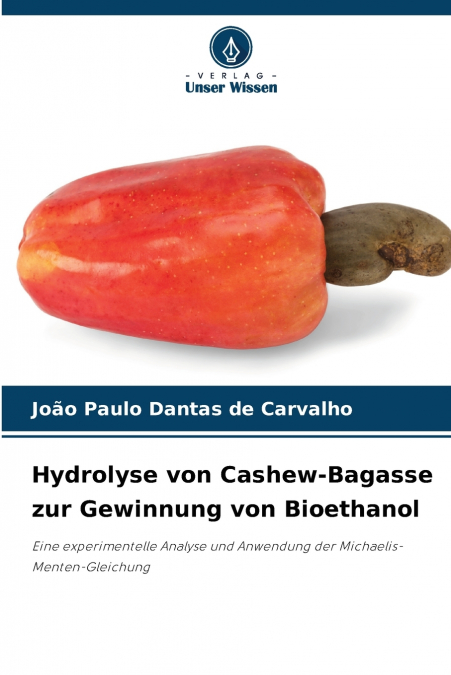
  • Hydrolyse von Cashew-Bagasse zur Gewinnung von Bioethanol
    João Paulo Dantas de Carvalho
    In letzter Zeit ist die weltweite Nachfrage nach Ethanol-Kraftstoff sehr schnell gestiegen, und fast der gesamte Ethanol-Kraftstoff wird durch die Fermentierung von Saccharose in Brasilien oder Maisglukose in den Vereinigten Staaten hergestellt, aber diese Rohstoffe reichen nicht aus, um die internationale Nachfrage zu decken. Agroindustrielle lignozellulosehaltige Rückstände w...
    Disponible

    54,38 €