Librería Samer Atenea
 Kálamo Books
 Librería Elías (Asturias)
 Librería Kolima (Madrid)
 Librería Proteo (Málaga)
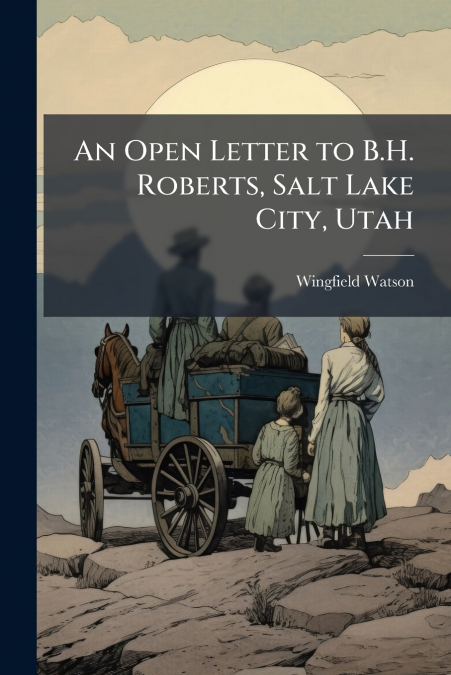
In 'Prophetic Controversy No. 4,' Wingfield Watson defends James Strang, a controversial figure in the history of the Latter Day Saint movement. Watson argues that Strang was always an honorable man, addressing and refuting claims against his character and leadership.The book critically examines the theory of lineal succession in the prophetic office, challenging the notion that prophetic authority is passed down through bloodlines. Additionally, it delves into the doctrine concerning priesthood ordinations, specifically arguing against the idea that lesser officers can ordain to greater offices within the priesthood hierarchy.This work provides valuable insight into the theological debates and power struggles within the early Latter Day Saint movement and serves as a historical document for those interested in the succession crisis following Joseph Smith’s death and the various individuals who claimed the mantle of leadership. 'Prophetic Controversy No. 4' offers a detailed perspective on the religious and social dynamics of 19th-century Mormonism.This work has been selected by scholars as being culturally important, and is part of the knowledge base of civilization as we know it. This work was reproduced from the original artifact, and remains as true to the original work as possible. Therefore, you will see the original copyright references, library stamps (as most of these works have been housed in our most important libraries around the world), and other notations in the work.This work is in the public domain in the United States of America, and possibly other nations. Within the United States, you may freely copy and distribute this work, as no entity (individual or corporate) has a copyright on the body of the work.As a reproduction of a historical artifact, this work may contain missing or blurred pages, poor pictures, errant marks, etc. Scholars believe, and we concur, that this work is important enough to be preserved, reproduced, and made generally available to the public. We appreciate your support of the preservation process, and thank you for being an important part of keeping this knowledge alive and relevant.