Inicio > Sociedad y ciencias sociales > Educación pedagogía > Programmieren mit Modula-2 Grundkurs Angewandte Informatik I
Programmieren mit Modula-2 Grundkurs Angewandte Informatik I

Programmieren mit Modula-2 Grundkurs Angewandte Informatik I

Wolffried Stucky

84,53 €
IVA incluido
Disponible
Editorial:
Springer Nature B.V.
Año de edición:
1994
Materia
Educación pedagogía
ISBN:
9783519129349
84,53 €
IVA incluido
Disponible

Selecciona una librería:

  • Librería Samer Atenea
  • Librería Aciertas (Toledo)
  • Kálamo Books
  • Librería Perelló (Valencia)
  • Librería Elías (Asturias)
  • Donde los libros
  • Librería Kolima (Madrid)
  • Librería Proteo (Málaga)

Die Methode der schrittweisen Verfeinerung fiihrte uns auf der Datenseite zu den strukturierten Datentypen und auf der Algorithrnenseite zu den Prozeduren. Durch Parameterlisten werden Prozeduren zu einem flexiblen, wiederverwendbaren Konstrukt. Eine Prozedur HiBt sich also, sofern sie nur allgemein genug ge­ schrieben ist, in mehreren Programmen verwenden. Wiederverwendbarkeit von Prozeduren erfordert, daB keine Veranderung oder Verwendung globaler GroBen vorkommt, daB alle Parametertypen bekannt sind und daB die Prozeduren im verwendenden Programm neu tibersetzt werden. Sowohl vom Schreiber der Prozedur als auch von ihrem Verwender wird also Programmierdisziplin gefordert, da eine Prozedur nicht immer unabhangig von ihrer Umgebung ist. Diese Schwachen werden durch Module beseitigt, die noch die wertvolle Eigenschaft mitbringen, die Zerlegbarkeit (Modularisierung) des Pro­ gramms in einzelne, voneinander unabhangige Teile zu untersttitzen. Stellen wir uns vor, es soll ein groBeres Softwareprojekt mit mehreren Mitar­ beitern durchgeftihrt werden. Mit dem gegenwartigen Kenntnisstand wtirde man wie folgt vorgehen: • Zu Beginn eines Softwareprojekts erfolgt die Festlegung der wichtigsten Datenstrukturen, • dann werden die Teilprobleme getrennt bearbeitet (d.h. die Strukturen wer­ den auf unterschiedliche Weise manipuliert).
Artículos relacionados

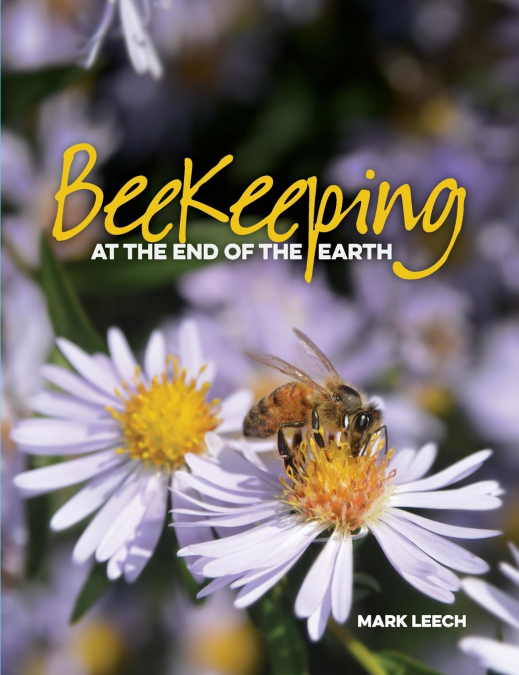
  • Beekeeping At The End Of The Earth
    Mark David Leech
    Beekeeping at the End of the Earth, an essential read for learning about beekeeping in a cool temperate climate with a focus on Tasmania our island home.  One hundred beekeepers one hundred different ways to keep bees.Beekeeping At The End Of The Earth is a practical insight into cool climate beekeeping with a focus on Tasmania, our island home.Richly illustrated with unique di...
    Disponible

    45,16 €

  • Be the One for Kids
    Ryan Sheehy
    One person can make a difference.That person can be you. “I want to show others that one person can make the difference in a child’s life. I want all educators, parents, coaches, and everyone in between to know they have power to Be the One for Kids.” —Ryan Sheehy If you ever feel like you’re all alone or think that no one gets you, just imagine how your students feel. Kids wan...
    Disponible

    27,99 €

  • Handbook of Research on E-Learning Standards and Interoperability
    As the e-learning industry continues to expand and the methods and tools necessary to create and maintain content and infrastructure applications become more complicated, there is an inherent need for these applications to interoperate and exchange data in order to better support the needs of learners and educators. Handbook of Research on E-Learning Standards and Interoperabil...
  • Teaching in the Knowledge Society
    Antonio Cartelli
    ...
  • Enhancing Learning Through Human Computer Interaction
    Elspeth McKay
    ...
  • Learning Objects for Instruction
    Pamela Taylor Northrup
    ...