 Librería Samer Atenea
 Kálamo Books
 Librería Elías (Asturias)
 Librería Kolima (Madrid)
 Librería Proteo (Málaga)
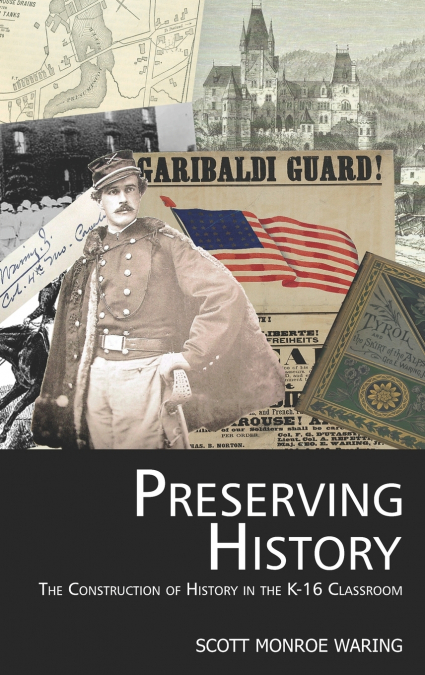
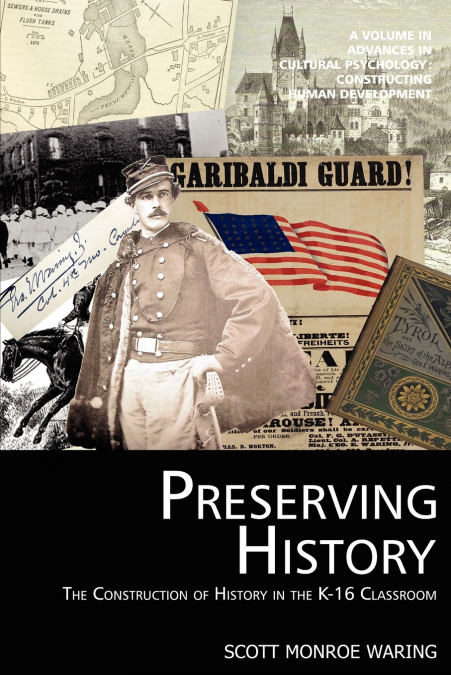
What and how to teach in the K-16 classroom history has been a perennial and, at times, heateddebate. Beginning as early as 1892, the question of what knowledge is of the most worth andwhat should be the central function of the history curriculum became a focus of many interested ineducation. It was felt that the teachers needed to move away from 'traditional' methods of teachinghistory, such as rote memorization and the 'dry and lifeless system of instruction by textbook,'and find new and engaging ways to 'broaden and cultivate the mind.' Unfortunately, theserecommendations faced many critics and did not take hold in K-16 classrooms at this time or,frankly, at any point since then.Even though we tend to have a nostalgic memory of earlier time periods and, in turn, the educationalcapabilities of the children from various times in our nation’s past, the results from multiple studies examining the historicalknowledge base of America’s youth has remained fairly discouraging. Much of the lack of knowledge present stems from the mannerin which history is traditionally taught. Ineffective instructional methods greatly impact the interest levels, or more frequently the distaste,generated for learning about historical content and, thus, the public’s corresponding perception of the importance of historywithin K-16 curricula. This book makes an effort at overcoming the persistent boredom and lack of historical knowledge present in ourstudents, by focusing on ways in which history instruction can be improved.