 Librería Samer Atenea
 Kálamo Books
 Librería Elías (Asturias)
 Librería Kolima (Madrid)
 Librería Proteo (Málaga)
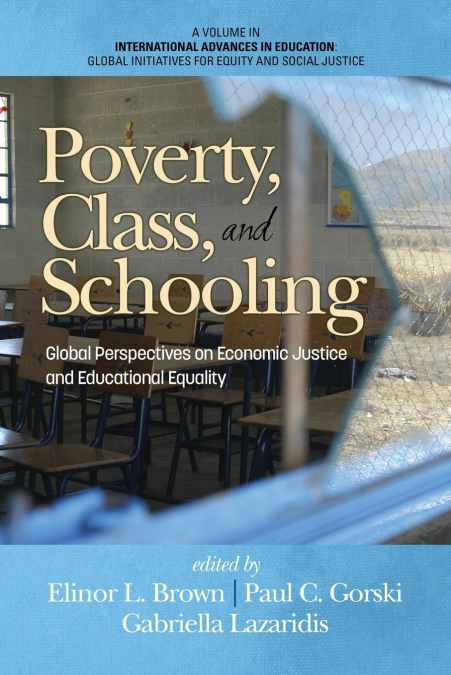
A volume in International Advances in Education:Global Initiatives for Equity and Social JusticeSeries Editors: Elinor L. Brown, University of Kentucky, Rhonda Craven,University of Western Sydney, and George McLean, Catholic Universities of America.International Advances in Education: Global Initiatives for Equity and Social Justice is an international researchmonograph series of scholarly works that primarily focus on empowering students (children, adolescents, and youngadults) from diverse current circumstances and historic beliefs and traditions to become non-exploited/non-exploitivecontributing members of the 21st century. The series draws on the research and innovative practices of investigators,academics, and community organizers around the globe that have contributed to the evidence base for developing soundeducational policies, practices, and programs that optimize all students’ potential. Each volume includes multidisciplinary theory, research, and practices that provide anenriched understanding of the drivers of human potential via education to assist others in exploring, adapting, and replicating innovative strategies that enable ALLstudents to realize their full potential. Chapters in this volume are drawn from a wide range of countries including: Australia, Brazil, Canada, China, Finland, Georgia,Haiti, India, Italy, Kyrgyzstan, Portugal, Slovenia, Tanzania, Ukraine, and The United States all addressing issues of educational inequity, economic constraint, class biasand the links between education, poverty and social status.The individual chapters provide examples of theory, research, and practice that collectively present a lively, informative, cross-perspective, international conversationhighlighting the significant gross economic and social injustices that abound in a wide variety of educational contexts around the world while spotlighting important,inspirational, and innovative remedies. Taken together, the chapters advance our understanding of best practices in the education of economically disadvantaged andsocially marginalized populations while collectively rejecting institutional policies and traditional practices that reinforce the roots of economic and social discrimination.Chapter authors, utilize a range of methodologies including empirical research, historical reviews, case studies and personal reflections to demonstrate that poverty andclass status are sociopolitical conditions, rather than individual identities. In addition, that education is an absolute human right and a powerful mechanism to promoteindividual, national, and international upward social and economic mobility, national stability and citizenwellbeing.