 Librería Samer Atenea
 Librería Aciertas (Toledo)
 Kálamo Books
 Librería Perelló (Valencia)
 Librería Elías (Asturias)
 Donde los libros
 Librería Kolima (Madrid)
 Librería Proteo (Málaga)
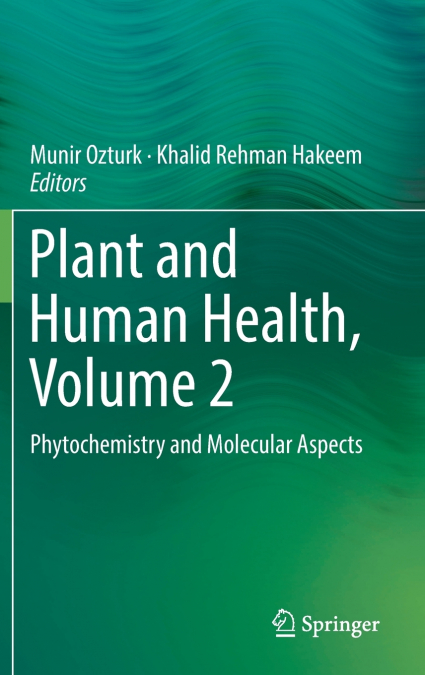
Early anthropological evidence for plant use as medicine is 60,000 years old as reported from the Neanderthal grave in Iraq. The importance of plants as medicine is further supported by archeological evidence from Asia and the Middle East. Today, around 1.4 billion people in South Asia alone have no access to modern health care, and rely instead on traditional medicine to alleviate various symptoms. On a global basis, approximately 50 to 80 thousand plant species are used either natively or as pharmaceutical derivatives for life-threatening conditions that include diabetes, hypertension and cancers. As the demand for plant-based medicine rises, there is an unmet need to investigate the quality, safety and efficacy of these herbals by the 'scientific methods'. Current research on drug discovery from medicinal plants involves a multifaceted approach combining botanical, phytochemical, analytical, and molecular techniques. For instance, high throughput robotic screens have been developed by industry; it is now possible to carry out 50,000 tests per day in the search for compounds which act on a key enzyme or a subset of receptors. This and other bioassays thus offer hope that one may eventually identify compounds for treating a variety of diseases or conditions. However, drug development from natural products is not without its problems. Frequent challenges encountered include the procurement of raw materials, the selection and implementation of appropriate high-throughput bioassays, and the scaling-up of preparative procedures. Research scientists should therefore arm themselves with the right tools and knowledge in order to harness the vast potentials of plant-based therapeutics. The main objective of Plant and Human Health is to serve as a comprehensive guide for this endeavor. Volume 1 highlights how humans from specific areas or cultures use indigenous plants. Despite technological developments, herbal drugs still occupy a preferential place in a majority of the population in the third world and have slowly taken roots as alternative medicine in the West. The integration of modern science with traditional uses of herbal drugs is important for our understanding of this ethnobotanical relationship. Volume 2 deals with the phytochemical and molecular characterization of herbal medicine. Specifically, It will focus on the secondary metabolic compounds which afford protection against diseases. Lastly, Volume 3 focuses on the physiological mechanisms by which the active ingredients of medicinal plants serve to improve human health. Together this three-volume collection intends to bridge the gap for herbalists, traditional and modern medical practitioners, and students and researchers in botany and horticulture.