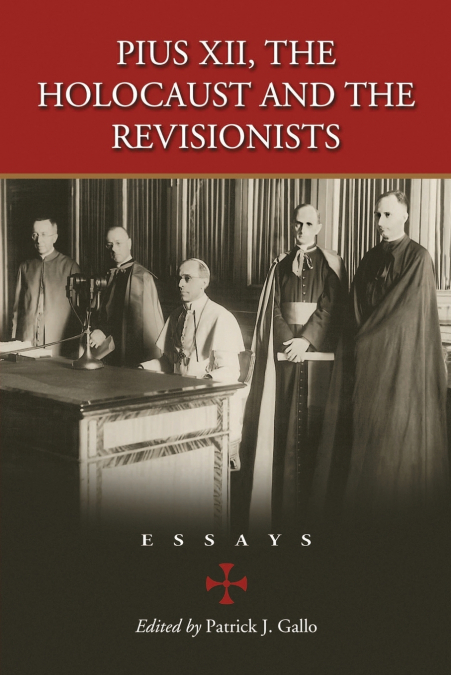

Inicio > Humanidades > Historia > Historia general y mundial > Pius XII, the Holocaust and the Revisionists
Pius XII, the Holocaust and the Revisionists

Pius XII, the Holocaust and the Revisionists

Patrick J. Gallo

57,46 €
IVA incluido
Disponible
Editorial:
McFarland and Company, Inc.
Año de edición:
2005
Materia
Historia general y mundial
ISBN:
9780786423743
57,46 €
IVA incluido
Disponible

Selecciona una librería:

  • Librería Samer Atenea
  • Librería Aciertas (Toledo)
  • Kálamo Books
  • Librería Perelló (Valencia)
  • Librería Elías (Asturias)
  • Donde los libros
  • Librería Kolima (Madrid)
  • Librería Proteo (Málaga)

When Cardinal Eugenio Pacelli became Pope Pius XII in 1939, the Nazis had invaded Austria and Czechoslovakia and were poised to strike Poland. Jews and other minorities were already being sent to concentration camps, and the world was on the verge of another horrific war. The prevailing historical interpretation of the era was that Pius XII had a stated anti-Nazi and anti-Fascist policy; he tried to bring an end to the persecution and gave aid and comfort to those who were persecuted. Revisionist views, however, portray Pius XII as a silent, passive individual who ignored the treatment of Jews, Christians and other minorities--a man who could have stopped the holocaust and didn’t. Through a series of articles and essays, the editor and eight contributors critique the works of revisionists who allege that Pius XII was sympathetic to the Nazis or unresistant to their atrocities. The essays discuss the roots of these views in the relentless Nazi and communist propaganda of the era, and the debate’s revival after a 1960s stage play portrayed the pope as a leader afraid to speak out. By bringing intellectual rigor and responsibility to the issue, this work makes a solid contribution to the history of the papacy and to the biography of Pius XII.
Artículos relacionados

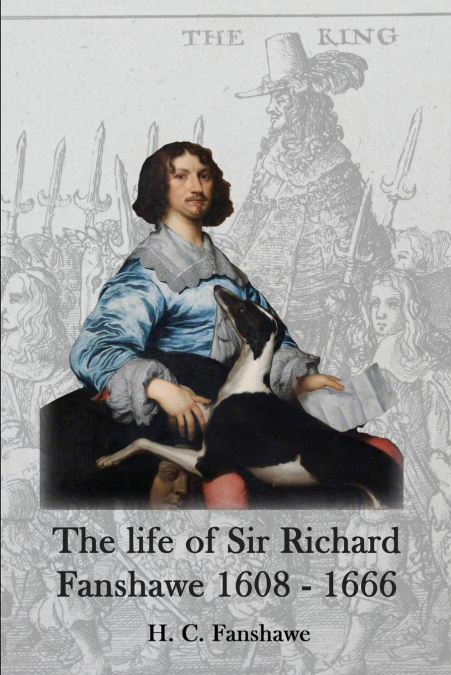
  • The life of Sir Richard Fanshawe, 1608 - 1666
    H C Fanshawe
    Sir Richard Fanshawe (1608-1666), was a diplomat, poet and linguist. As Ambassador to Spain and Portugal he negotiated the marriage of Charles II and Catherine of Braganza. He was also acclaimed for his poetry and his translations of Latin and European works such as the Lusiads by Luis de Camoes and Il Pastor Fido (the Faithful Shepherd) by Giovanni Battista Guarini. Sir Richar...
    Disponible

    17,51 €

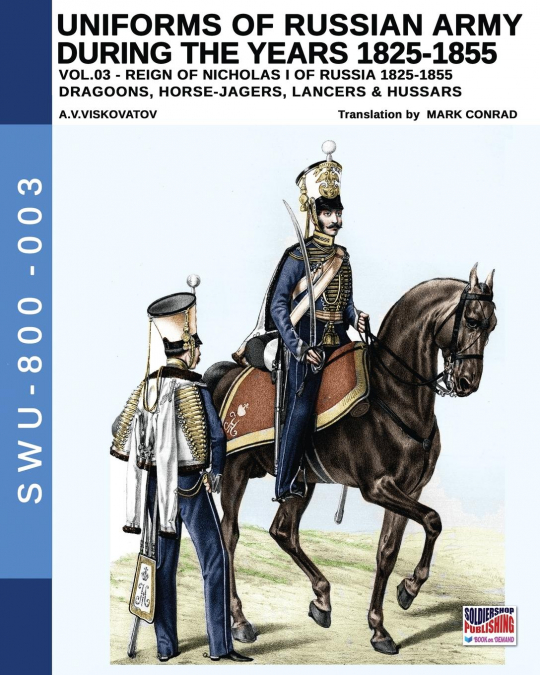
  • Uniforms of Russian Army during the years 1825-1855. Vol. 3
    Aleksandr Vasilevich Viskovatov / Mark Conrad
    This volume is related to the Russian Army during the zar Nicolas Ist era, and are about the uniforms cavalry in use from 1825 to 1855. Compiled at Saint Petersburg during the year from 1837 and 1851, the Historical Description of the Clothing and Arms of the Russian Army has had an enormous impact and great importance for the study on the history of Russian costume and uniform...
    Disponible

    52,04 €

  • Archaeology and Entomology in the Eastern Mediterranean
    Eva Panagiotakopulu
    ...
    Disponible

    74,97 €

  • Luoghi e Architetture della Transizione
    Maria Antonietta Breda
    I sistemi difensivi di confine e la protezione antiaerea nelle città. Storia conservazione riuso / Border defense system and air raid protection in the cities. History conservation reuseThis book collects the papers presented at the Second International Congress on Conoscenza e valorizzazione delle opere militari moderne - Knowledge and development of modern military structures...
    Disponible

    139,91 €

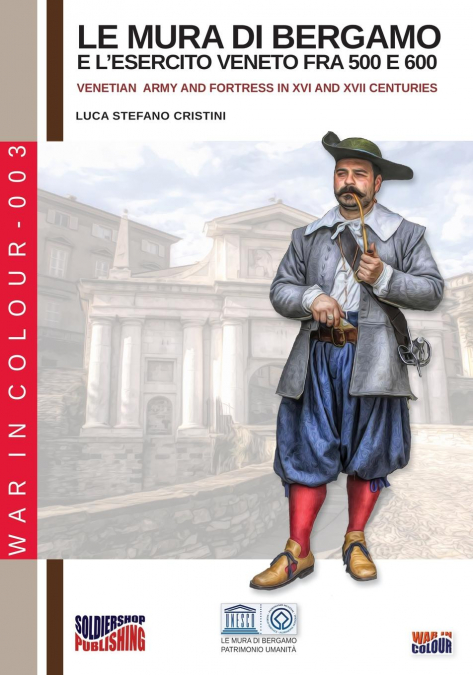
  • Le mura di Bergamo e l’esercito veneto fra 500 e 600
    Luca Stefano Cristini
    Correva l'Anno del Signore 1590. Così scriveva un soddisfatto e pago Alvise Grimani, l'allora comandante veneto della piazza di Bergamo, al termine dei lavori di realizzazione degli oltre cinque chilometri di mura porte e bastioni : 'La città è tutta serrata con baluardi e i suoi membri quasi tutti terrapienati, compite le piazze, i parapetti e le traverse per coprirsi ...
    Disponible

    36,31 €

  • Psychology of Revolution
    Gustave Lebon
    The present age is not merely an epoch of discovery; it is also a period of revision of the various elements of knowledge. Having recognised that there are no phenomena of which the first cause is still accessible, science has resumed the examination of her ancient certitudes, and has proved their fragility. To-day she sees her ancient principles vanishing one by one. ...