Piano di recupero delle aree degradate (PRAD)

Piano di recupero delle aree degradate (PRAD)

Carolina Ferreira Quitá / Marcelo Borges Rocha / Yasmin Bulhões Góes

48,68 €
IVA incluido
Disponible
Editorial:
KS OmniScriptum Publishing
Año de edición:
2024
Materia
Gestión y técnicas de gestión
ISBN:
9786207778942
48,68 €
IVA incluido
Disponible

Selecciona una librería:

  • Librería Samer Atenea
  • Librería Aciertas (Toledo)
  • Kálamo Books
  • Librería Perelló (Valencia)
  • Librería Elías (Asturias)
  • Donde los libros
  • Librería Kolima (Madrid)
  • Librería Proteo (Málaga)

Il degrado degli ecosistemi brasiliani è dovuto principalmente alle azioni antropiche conseguenti all’urbanizzazione e all’estrazione delle risorse naturali. Ciò ha reso indispensabile l’attuazione di misure volte al recupero ambientale delle aree impattate. Il Piano di Recupero delle Aree Degradate (PRAD) è stato regolamentato negli anni ’80 e da allora ha preso piede nei processi di autorizzazione, nei programmi di mitigazione e di misure compensative ed è diventato uno strumento di comando e controllo essenziale per il processo di recupero ambientale. L’obiettivo di questo lavoro è quello di affrontare l’importanza e la rilevanza del PRAD. A tal fine, è stata elaborata una tabella di marcia per la sua produzione, analizzando ogni fase e dimostrando la sua importanza per il recupero delle aree degradate. Di conseguenza, il Piano di Recupero delle Aree Degradate - Miniera di Forquilha - impianto di trattamento e deposito di sterili è stato utilizzato come caso di studio per illustrare il verificarsi di ogni fase e per verificarne l’efficienza/il successo, dimostrando così il processo di recupero in un caso reale.

Artículos relacionados

  • Cases on Management and Organizational Behavior in an Arab Context
    Khoury
    In the era of globalization and ease of international connectivity and business interactions, professionals from all over the world benefit from having a well-rounded view of business culture and organizational practice at the regional level. Cases on Management and Organizational Behavior in an Arab Context provides a presentation of teaching cases emphasizing the positive and...
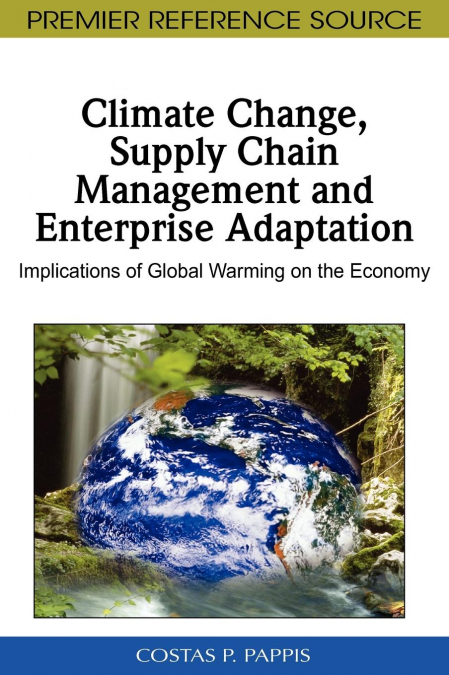
  • Climate Change, Supply Chain Management and Enterprise Adaptation
    Costas P. Pappis / Costas PPappis
    Mounting scientific evidence shows that Earth’s climate is dramatically changing due to the greenhouse emissions caused by human activities, notably by burning fossil fuels for energy production and transport. Climate Change, Supply Chain Management and Enterprise Adaptation: Implications of Global Warming on the Economy aims to provide one among many diverse responses to a gro...
  • # BUSINESS SAVVY PM tweet Book01
    Cinda Voegtli
    Does your job require you to manage projects? If yes, wouldn’t you like to be described as a project manager who is a successful, influential and respected leader of important efforts in the organization? Now if that already sounds like you, great! But if not, what you need to get there is known as ’business savvy.’Business savvy does not mean a bagful of academic credentials, ...
    Disponible

    22,55 €

  • Advanced Topics in Global Information Management Volume 2
    Felix Tan
    ...
  • Managing Business with SAP
    Linda Lau
    ...
  • Advances in Electronic Business, Volume I
    ...

Otros libros del autor

  • Plan zur Wiederherstellung geschädigter Gebiete (PRAD)
    Carolina Ferreira Quitá / Marcelo Borges Rocha / Yasmin Bulhões Góes
    Die Verschlechterung der brasilianischen Ökosysteme ist vor allem auf anthropogene Eingriffe infolge der Urbanisierung und des Abbaus natürlicher Ressourcen zurückzuführen. Dies hat die Durchführung von Maßnahmen zur Wiederherstellung der Umwelt in den betroffenen Gebieten erforderlich gemacht. Der Plan zur Wiederherstellung geschädigter Gebiete (PRAD) wurde in den 1980er Jahre...
    Disponible

    48,74 €

  • Plan de reconstitution des zones dégradées (PRAD)
    Carolina Ferreira Quitá / Marcelo Borges Rocha / Yasmin Bulhões Góes
    La dégradation des écosystèmes brésiliens est principalement due à des actions anthropogéniques consécutives à l’urbanisation et à l’extraction des ressources naturelles. Il est donc devenu essentiel de mettre en œuvre des mesures visant à la récupération environnementale des zones touchées. Le plan de récupération des zones dégradées (PRAD) a été réglementé dans les années 198...
    Disponible

    48,68 €

  • Degraded Area Recovery Plan (PRAD)
    Carolina Ferreira Quitá / Marcelo Borges Rocha / Yasmin Bulhões Góes
    The degradation of Brazilian ecosystems has occurred mainly due to anthropogenic actions following urbanisation and the extraction of natural resources. This has made it essential to implement measures aimed at the environmental recovery of impacted areas. The Degraded Area Recovery Plan (PRAD) was regulated in the 1980s and has since gained ground in licensing processes, mitig...
    Disponible

    48,62 €