
Inicio > Tecnología, ingeniería, agricultura > Agricultura y explotación agropecuaria > Physiological, Molecular, and Genetic Perspectives of Wheat Improvement
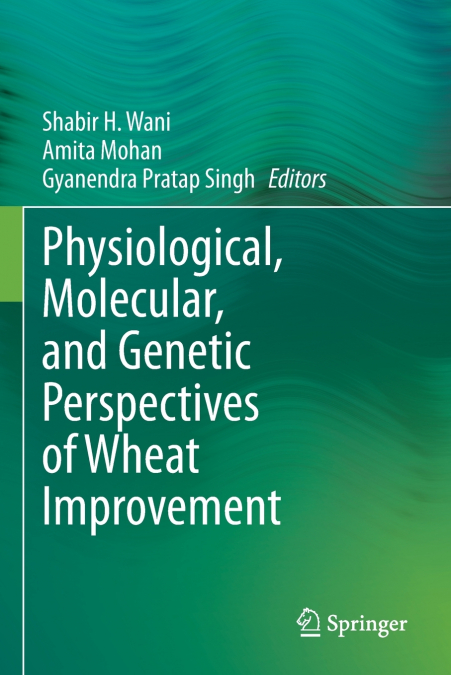
Physiological, Molecular, and Genetic Perspectives of Wheat Improvement

Physiological, Molecular, and Genetic Perspectives of Wheat Improvement


308,45 €
IVA incluido
Disponible
Editorial:
Springer Nature B.V.
Año de edición:
2021
Materia
Agricultura y explotación agropecuaria
ISBN:
9783030595791
308,45 €
IVA incluido
Disponible

Selecciona una librería:

  • Librería Samer Atenea
  • Librería Aciertas (Toledo)
  • Kálamo Books
  • Librería Perelló (Valencia)
  • Librería Elías (Asturias)
  • Donde los libros
  • Librería Kolima (Madrid)
  • Librería Proteo (Málaga)

World population is growing at an alarming rate and may exceed 9.7 billion by 2050, whereas agricultural productivity has been negatively affected due to yield limiting factors such as biotic and abiotic stresses as a result of global climate change. Wheat is a staple crop for ~20% of the world population and its yield needs be augmented correspondingly in order to satisfy the demands of our increasing world population. 'Green revolution', the introduction of semi-dwarf, high yielding wheat varieties along with improved agronomic management practices, gave rise to a substantial increase in wheat production and self-sufficiency in developing countries that include Mexico, India and other south Asian countries. Since the late 1980’s, however, wheat yield is at a standoff with little fluctuation. The current trend is thus insufficient to meet the demands of an increasing world population. Therefore, while conventional breeding has had a great impact on wheat yield, with climate change becoming a reality, newer molecular breeding and management tools are needed to meet the goal of improving wheat yield for the future. With the advance in our understanding of the wheat genome and more importantly, the role of environmental interactions on productivity, the idea of genomic selection has been proposed to select for multi-genic quantitative traits early in the breeding cycle. Accordingly genomic selection may remodel wheat breeding with gain that is predicted to be 3 to 5 times that of crossbreeding. Phenomics (high-throughput phenotyping) is another fairly recent advancement using contemporary sensors for wheat germplasm screening and as a selection tool. Lastly, CRISPR/Cas9 ribonucleoprotein mediated genome editing technology has been successfully utilized for efficient and specific genome editing of hexaploid bread wheat. In summary, there has been exciting progresses in the development of non-GM wheat plants resistant to biotic and abiotic stress and/or wheat with improved nutritional quality. We believe it is important to highlight these novel research accomplishments for a broader audience, with the hope that our readers will ultimately adopt these powerful technologies for crops improvement in order to meet the demands of an expanding world population.
Artículos relacionados

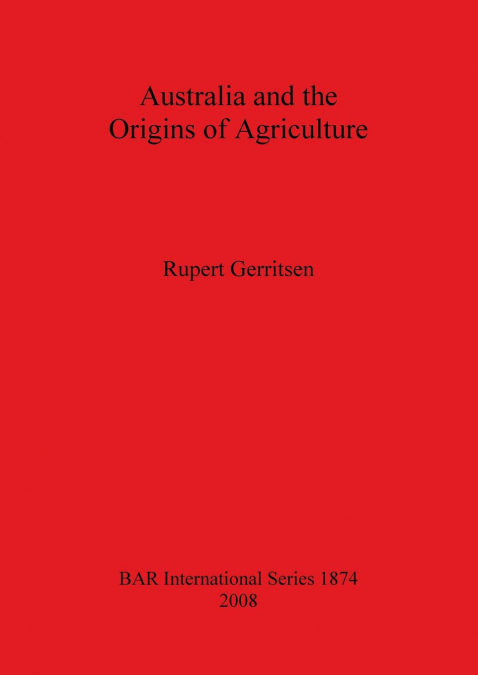
  • Australia and the Origins of Agriculture
    Rupert Gerritsen
    In this work the author explores issues of the origin of agriculture in Australia such as the “failure” of agriculture to develop indigenously, and its “failure” to diffuse into Australia, despite contact with Indonesian (Macassan) agriculturalists or New Guinean horticulturalists. Although not always explicitly stated or recognised, significant differences probably exist in th...
    Disponible

    106,78 €

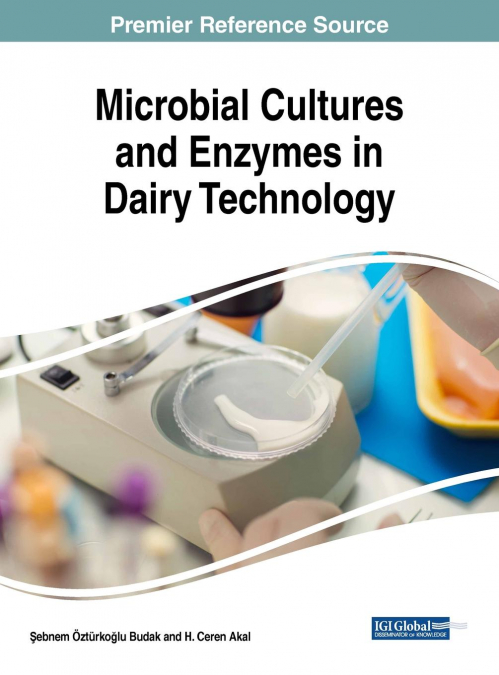
  • Microbial Cultures and Enzymes in Dairy Technology
    Microorganisms are an integral part of the fermentation process in food products and help to improve sensory and textural properties of the products. As such, it is vital to explore the current uses of microorganisms in the dairy industry. Microbial Cultures and Enzymes in Dairy Technology is a critical scholarly resource that explores multidisciplinary uses of cultures and enz...
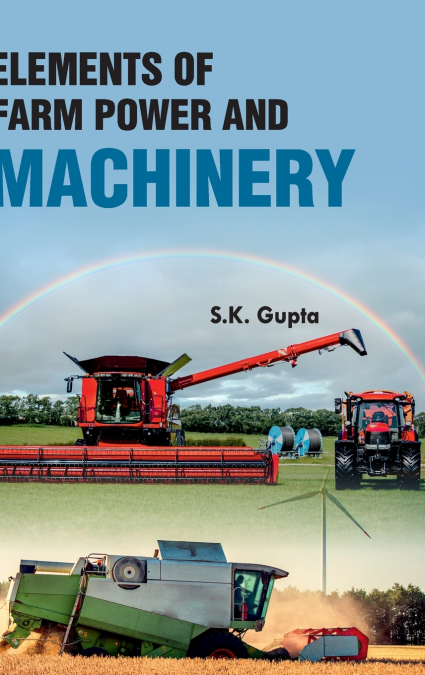
  • Elements of Farm Power and Machinery
    S K Gupta
    Farm mechanization has played a vital role in increasing production, productivity and profitability of farm enterprise. It is mainly attributed to timeliness in farm operations and reduction in application of various inputs through their precise metering, application and higher use efficiencies. Being one of the most important elements of modern agriculture, farm power and mach...
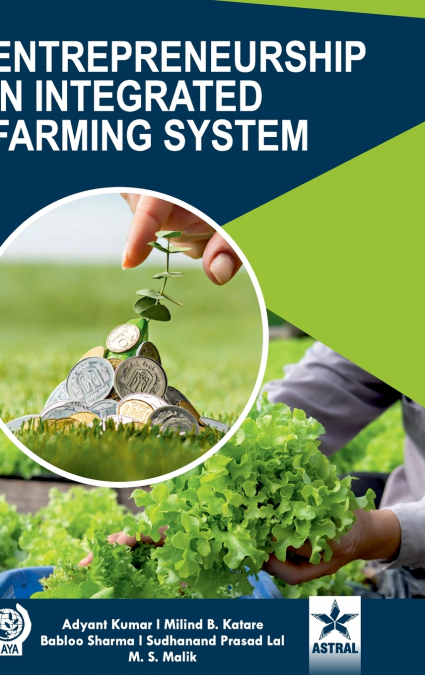
  • Entrepreneurship in Integrated Farming System
    The book deals with the essential information regarding entrepreneurial development of integrated farming system models throughout the country, where agriculture and allied components are extensively presented under the same umbrella in a sustainable way. This book will be of immense use in imparting knowledge on diversified and suitable IFS models based research findings and p...
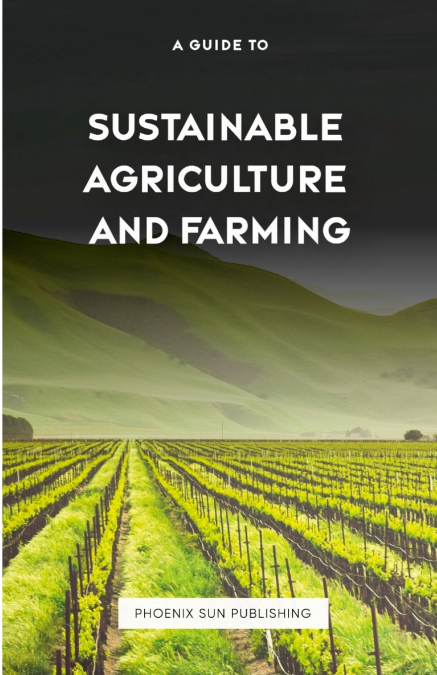
  • The Guide to Sustainable Agriculture and Farming
    PS Publishing
    'The Guide to Sustainable Agriculture and Farming' is an essential resource for anyone interested in sustainable and regenerative farming practices. From understanding the environmental and social impacts of conventional agriculture to exploring innovative solutions for sustainable farming, this book offers a comprehensive and inspiring guide to creating a healthier and more su...
    Disponible

    14,06 €

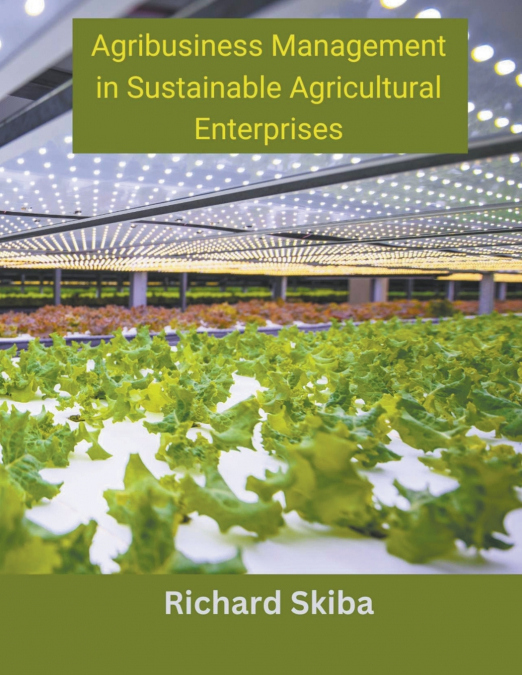
  • Agribusiness Management in Sustainable Agricultural Enterprises
    Richard Skiba
    This book provides a comprehensive overview of sustainable agriculture practices and strategies aimed at improving land use, implementing renewable energy and recycling systems, managing climate risks, developing workplace policies for sustainability, and applying effective agribusiness management practices.Part 1 introduces various approaches to sustainable agriculture, includ...
    Disponible

    30,41 €