 Librería Samer Atenea
 Kálamo Books
 Librería Elías (Asturias)
 Librería Kolima (Madrid)
 Librería Proteo (Málaga)
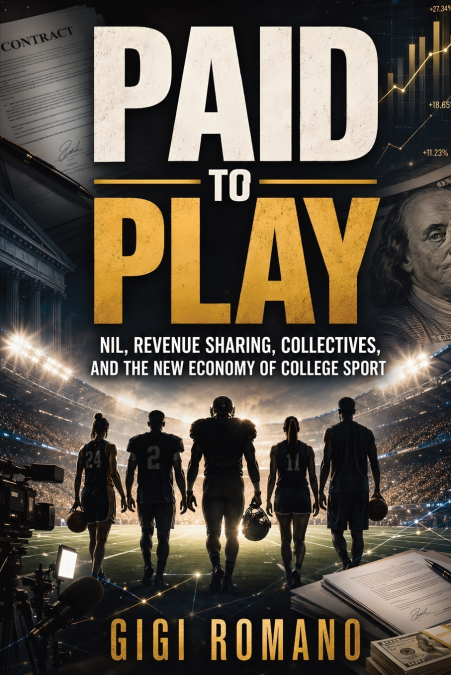
For generations, college sport generated enormous wealth while maintaining that the athletes at its centre were amateurs who could not be paid. That arrangement has now been dismantled. Paid to Play tells the complete story of how name, image and likeness rights, landmark court cases, state legislation, donor-backed collectives, the transfer portal and direct university revenue sharing transformed the economics of American college sport. It traces the rise of the amateur ideal, the commercial power of television and conferences, the legal challenges brought by athletes, and the opening of the NIL market in 2021. The book explains what an NIL agreement really is, how athletes became independent media businesses, why collectives developed into recruiting forces and how agents, brands and universities entered a rapidly expanding marketplace. It also examines the experiences of women and international athletes, the implications of Title IX, the state-by-state legal patchwork and the continuing debate over whether college athletes should be recognised as employees. At the centre of the story is the historic House settlement, which authorised participating Division I universities to share millions of dollars directly with athletes and created a new national system for reviewing third-party deals. Clear, detailed and grounded in documented events, Paid to Play reveals how college sport moved beyond amateurism-and why the struggle over compensation, regulation and control is far from finished. Disclaimer: This is an independent, unauthorised work of sports history, legal analysis and economic commentary. It is not affiliated with, endorsed by, sponsored by or officially connected to the NCAA, any athletic conference, university, team, governing organisation, collective, company, athlete or other person or entity discussed in the book. All names, trademarks, service marks and related identifiers belong to their respective owners and are used solely for factual, descriptive and informational purposes. This book does not provide legal, tax, immigration, financial or investment advice. Laws, regulations, policies and compensation systems may change, and readers should consult an appropriately qualified professional regarding individual circumstances.