
Organisation und Zivilgesellschaft

Organisation und Zivilgesellschaft


60,22 €
IVA incluido
Disponible
Editorial:
Springer Nature B.V.
Año de edición:
2019
Materia
Organización y gestión educativa
ISBN:
9783658180041
60,22 €
IVA incluido
Disponible

Selecciona una librería:

  • Librería Samer Atenea
  • Librería Aciertas (Toledo)
  • Kálamo Books
  • Librería Perelló (Valencia)
  • Librería Elías (Asturias)
  • Donde los libros
  • Librería Kolima (Madrid)
  • Librería Proteo (Málaga)

Der Band diskutiert die Besonderheiten von Organisationalem Lernen in, von und zwischen zivilgesellschaftlichen Organisationen. Zivilgesellschaft bildet den Kontext von  Lernprozessen, Lernen findet aber auch zwischen Organisationen unterschiedlicher gesellschaftlicher Sektoren statt, schließlich können zivilgesellschaftliche Organisationen selbst als lernende Akteure verstanden werden. Zivilgesellschaft wird zwischen Staat, Markt und privaten Haushalten verortet. Ihr werden unterschiedliche gesellschaftliche Rollen und Funktionen zugeschrieben, die Konsequenzen für das Verständnis von Lernprozessen haben. In den Beiträgen werden diese spezifischen Aspekte einer organisationspädagogischen Verhältnisbestimmung von Organisation und Zivilgesellschaft analysiert und diskutiert.  Der InhaltOrganisationales Lernen in der Zivilgesellschaft: Theoretische Grundlagen ● Organisationales Lernen zwischen Zivilgesellschaft, Staat und Markt ● Führung, Steuerung und Entwicklung gesellschaftlicher Organisationen ● Inklusive und partizipative Forschungsstrategien ● Organisationspädagogik und Demokratisierung von Organisationen Die HerausgeberDr. Andreas Schröer ist Professor für Organisationspädagogik an der Universität Trier.Dr. Nicolas Engel ist Akademischer Rat am Lehrstuhl für Pädagogik an der FAU Erlangen-Nürnberg.Dr. Claudia Fahrenwald ist Professorin für Organisationspädagogik mit Schwerpunkt Schulentwicklung an der PH Oberösterreich Linz.Dr. Michael Göhlich ist Professor für Pädagogik mit dem Schwerpunkt Organisationspädagogik an der FAU Erlangen-Nürnberg.Dr. Christian Schröder ist wissenschaftlicher Mitarbeiter an der Hochschule für Technik und Wirtschaft des Saarlandes - University of Applied Sciences. Dr. Susanne Maria Weber ist Professorin für gesellschaftliche, politische und kulturelle Rahmenbedingungen von Bildung und Erziehung am Institut für Erziehungswissenschaft der Philipps-Universität Marburg.
Artículos relacionados

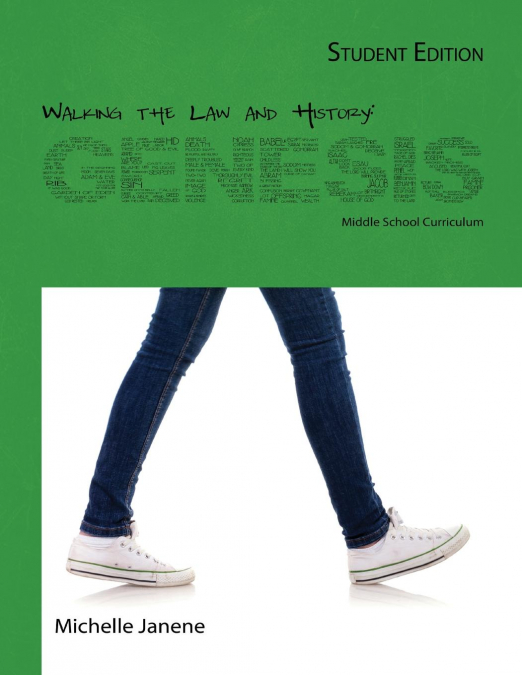
  • Walking the Law and History
    Michelle Janene
    The companion student workbook for the Bible curriculum of Walking the Law and History Genesis. Students will participate in deep Bible study of the creation of the world, the foundations of the Christian faith, and the formation of the Jewish nation.  ...
    Disponible

    9,81 €

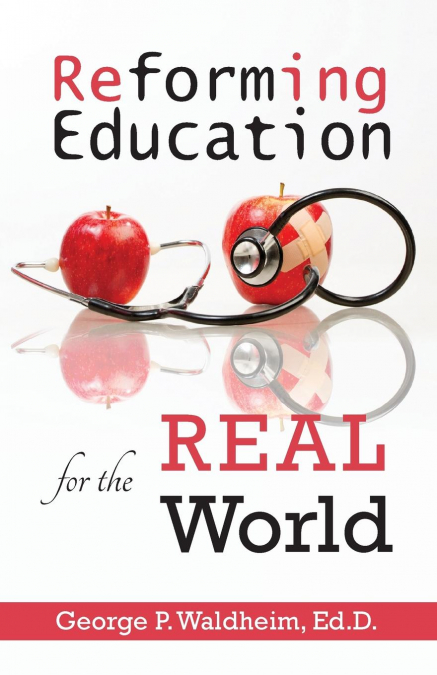
  • Reforming Education for the Real World
    George P Waldheim
    Education, as we know it in America, is too often characterized as living in a world by itself; unaccountable and unimproved--so different from the Real World.  Year after year 'Band-Aid' attempts are initiated to improve education and again, year after year, those attempts only produce marginal improvement--if any.  Thus, our international ranking is still depicted as 'mediocr...
    Disponible

    12,21 €

  • Let’s Talk Sex & STDs
    Dr. Katina Davis-Kennedy / DrKatina Davis-Kennedy
    There comes a time when every person has to learn about sex; typically, students learn within their middle school years about sex education. Unfortunately, by then they have been influenced by others with the wrong information, or have heard rumors that are mostly untrue. Let's Talk Sex and STDs: The Student Edition is here to lay all of the misleading information and stori...
    Disponible

    25,31 €

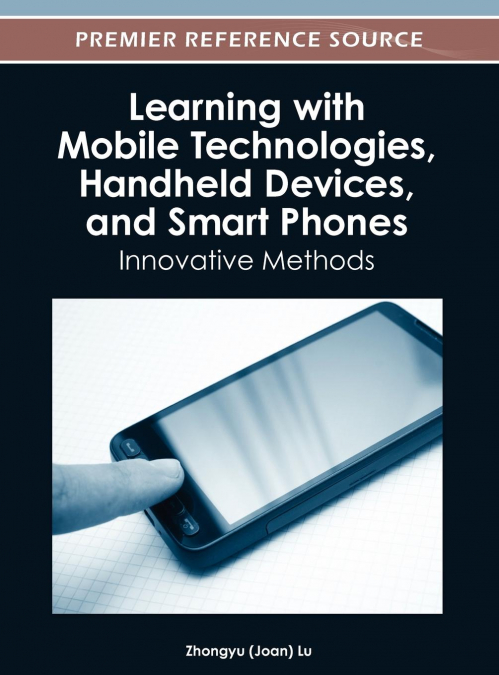
  • Learning with Mobile Technologies, Handheld Devices, and Smart Phones
    Mobile Learning is a new trend in pedagogical communities. It matches the speed of fast moving methodologies in pedagogical world. The theories of activity-based learning, problem-based learning, work-based learning, and opinion-based learning, learner-centered learning, and so forth, can be integrated with these tiny handheld devices. Students and teachers communicate effectiv...
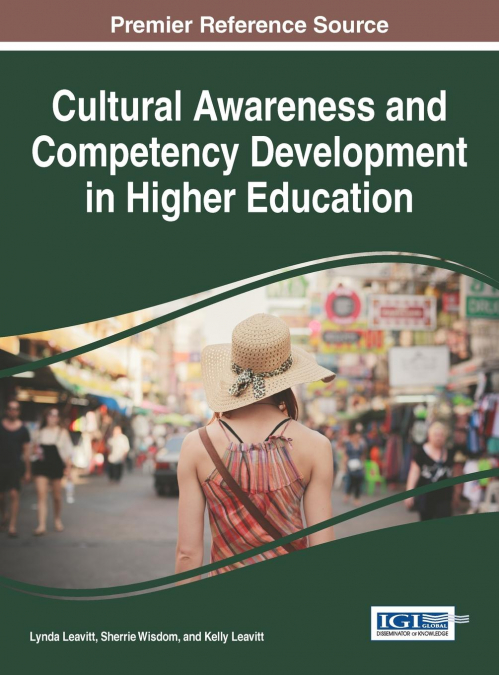
  • Cultural Awareness and Competency Development in Higher Education
    As the world becomes more globalized, student populations in university settings will continue to grow in diversity. To ensure students develop the cultural competence to adapt to new environments, universities and colleges must develop policies and programs to aid in the progression of cultural acceptance and understanding. Cultural Awareness and Competency Development in High...
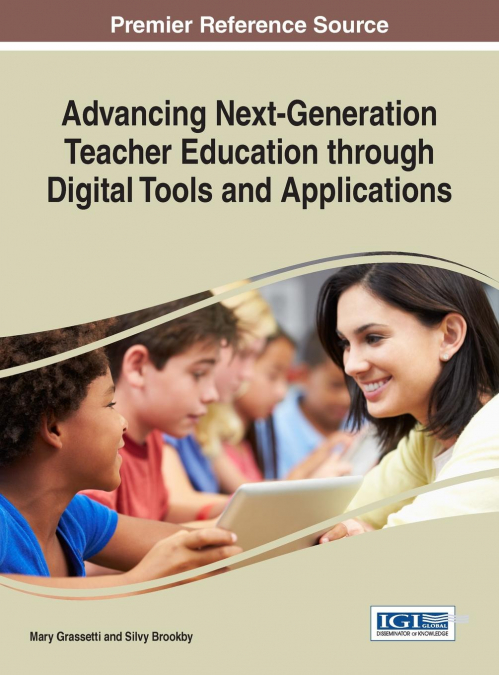
  • Advancing Next-Generation Teacher Education through Digital Tools and Applications
    The implementation of the Common Core State Standards program has spearheaded many changes within the education field. As this initiative is ultimately designed to optimize student performance and success, it is critical that teacher education programs and technological tools being utilized in classrooms align with Common Core State Standards. Advancing Next-Generation Teacher ...