Librería Samer Atenea
 Kálamo Books
 Librería Elías (Asturias)
 Librería Kolima (Madrid)
 Librería Proteo (Málaga)
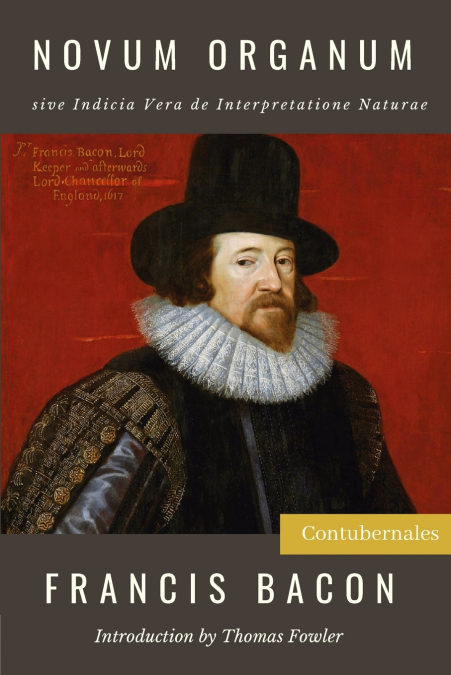
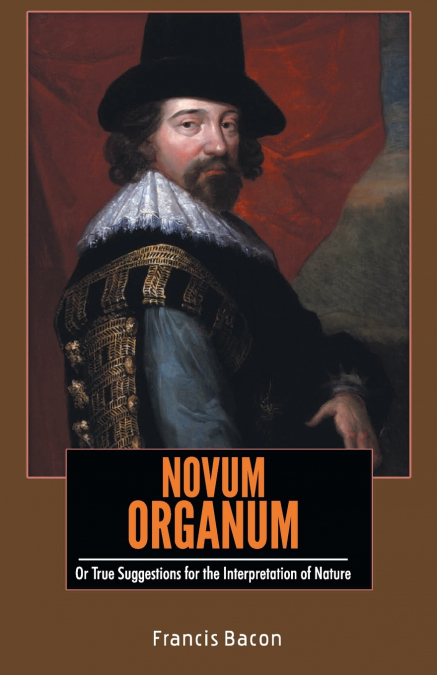
Novum Organum, by Francis Bacon, is a foundational text in the philosophy of science. Originally published in Latin in 1620, its title translates to 'New Instrument.' Bacon sought to replace the established Aristotelian methods with a new system for understanding the natural world based on observation and inductive reasoning. This work outlines Bacon’s vision for a scientific method centered on empirical evidence and experimentation. He critiques the reliance on tradition and authority, advocating for a systematic approach to gathering and interpreting data. Novum Organum is divided into two books, exploring topics such as the 'Idols of the Mind' (sources of error in human understanding) and presenting examples of Bacon’s method in practice. Presented here are Volumes 1 and 2 of this influential work, essential reading for anyone interested in the history and philosophy of science.This work has been selected by scholars as being culturally important, and is part of the knowledge base of civilization as we know it. This work was reproduced from the original artifact, and remains as true to the original work as possible. Therefore, you will see the original copyright references, library stamps (as most of these works have been housed in our most important libraries around the world), and other notations in the work.This work is in the public domain in the United States of America, and possibly other nations. Within the United States, you may freely copy and distribute this work, as no entity (individual or corporate) has a copyright on the body of the work.As a reproduction of a historical artifact, this work may contain missing or blurred pages, poor pictures, errant marks, etc. Scholars believe, and we concur, that this work is important enough to be preserved, reproduced, and made generally available to the public. We appreciate your support of the preservation process, and thank you for being an important part of keeping this knowledge alive and relevant.