 Librería Samer Atenea
 Kálamo Books
 Librería Elías (Asturias)
 Librería Kolima (Madrid)
 Librería Proteo (Málaga)
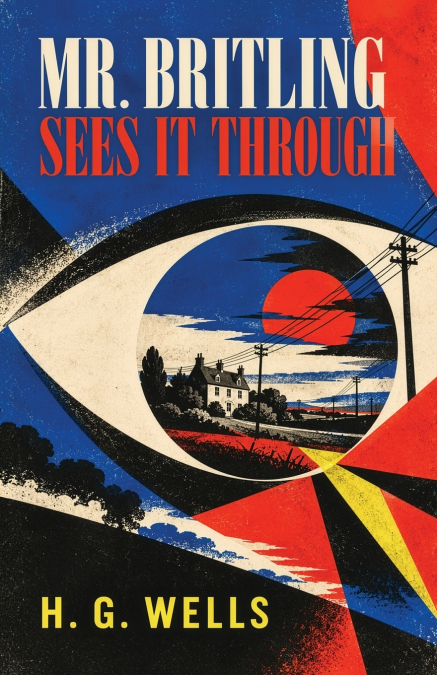
Before the First World War reaches his doorstep, Mr. Britling is a successful English writer living comfortably at Matching’s Easy in Essex, surrounded by family, guests, opinions, and the habits of an apparently secure civilization. He talks confidently about politics, Germany, America, and the modern world-until war turns speculation into personal consequence.When conflict begins in 1914, the household is pulled into events larger than any private life. Friends and family members leave for military service, old assumptions about nations and progress begin to collapse, and Mr. Britling is forced to confront the distance between intellectual argument and grief that cannot be reasoned away.Wells builds the novel around the English home front rather than the battlefield. Letters, absences, rumors, news, patriotic feeling, anger, and bereavement reveal how war transforms those who remain behind. Mr. Britling’s German connections complicate easy hatred, while the losses surrounding him make abstract ideas about civilization, nationalism, and duty painfully immediate.The novel is also a portrait of a mind changing under pressure. Mr. Britling begins as a confident interpreter of public affairs, but war steadily strips away his certainty. His private life, failures, relationships, and grief become inseparable from a broader attempt to understand what the conflict means and whether suffering can produce moral or spiritual insight.Published in 1916 while the war was still being fought, Mr. Britling Sees It Through captures the uncertainty of people living through a catastrophe whose outcome they cannot yet know. Wells follows one household as public events become private losses, patriotic conviction gives way to harder questions, and a man accustomed to explaining the world discovers that some experiences resist explanation.For readers interested in World War I fiction, the English home front, family grief, and the moral crisis created by modern warfare, the novel offers an intimate account of a society trying to preserve humanity while its assumptions about progress, civilization, and national identity begin to break apart.