 Librería Samer Atenea
 Kálamo Books
 Librería Elías (Asturias)
 Librería Kolima (Madrid)
 Librería Proteo (Málaga)
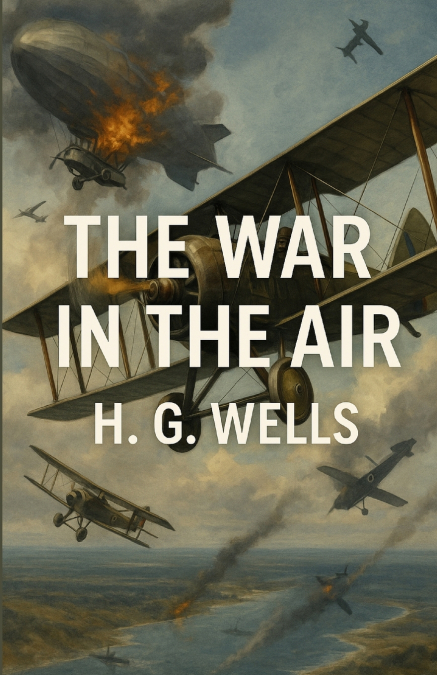
This illustrated edition includes carefully selected illustrations, a detailed summary, an author biography, and a comprehensive character list.The War in the Air by H.G. Wells, first published in 1908, is a science fiction novel set in a world on the brink of global conflict. The story takes place in a future where air travel and aerial warfare have become dominant features of military strategy. The novel explores the impact of modern technology and the rise of aircraft on warfare, politics, and society.The plot centers around the development and use of a new form of aerial weaponry, which changes the nature of warfare and leads to an international conflict. The story follows the experiences of various characters caught up in the war, including a young man named Bert Smallways, who becomes an unwitting participant in the conflict. As the war progresses, aircraft play a pivotal role, with nations using them for bombing, surveillance, and combat.The novel examines the destructive potential of advanced technology, as well as the ways in which it can shift the balance of power between nations. It reflects Wells’s concerns about the future of humanity in an era of rapid technological advancements and the potential dangers they bring. The book is both a cautionary tale about the consequences of war and a reflection on the social and political changes that accompany technological progress.Through the lens of The War in the Air, Wells explores themes of imperialism, the fragility of human civilization, and the unintended consequences of scientific discovery. The novel is an early exploration of the idea of total warfare, where entire societies are involved in the conflict, and civilian populations are affected by the consequences of military actions.The War in the Air is significant for its prescient portrayal of aerial warfare and its exploration of the ways in which technological advancements shape global politics and society. While not as famous as some of Wells’s other works, it remains an important contribution to the genre of speculative fiction and a reflection of early 20th-century anxieties about the future of warfare and technology.