 Librería Samer Atenea
 Kálamo Books
 Librería Elías (Asturias)
 Librería Kolima (Madrid)
 Librería Proteo (Málaga)
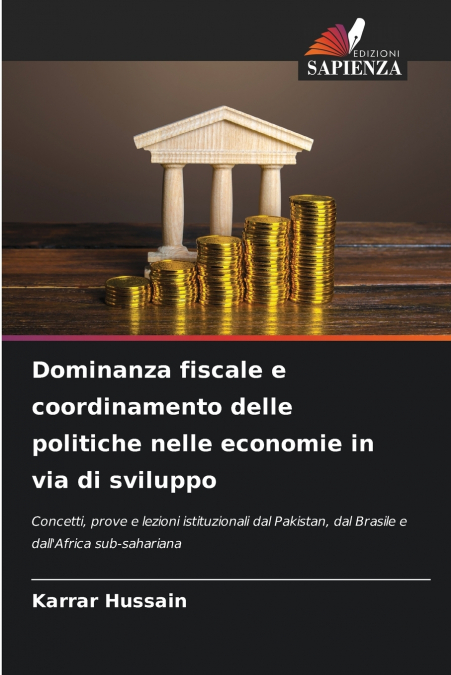
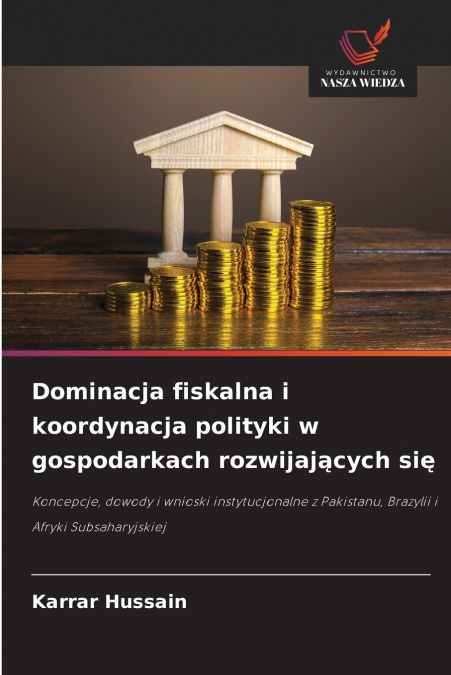
This monograph examines Pakistan’s monetary policy transformation from 1960 to 2007, analyzing the evolution from administrative controls to market-oriented frameworks through Vector Autoregression methodologies and institutional analysis. Three findings emerge. First, the exchange rate channel dominated monetary transmission, reflecting structural import dependence and shallow financial markets rather than conventional money supply mechanisms. Second, inflation significantly reduces labor productivity with 15-month lags, demonstrating monetary policy affects long-term growth beyond stabilization. Third, institutional development-central bank independence, financial liberalization, capacity building-proves essential for effectiveness. The research contributes methodological innovations while offering practical lessons: transformation requires patient institution building over decades; complementary fiscal and structural policies enhance effectiveness; political commitment must survive transitions; exchange rate management remains critical when constraints limit alternatives. Pakistan’s experience demonstrates achievements through reform and persistent challenges for other nations.