
Molecular Mechanisms for Repair of DNA

Molecular Mechanisms for Repair of DNA

Philip Hanawalt

133,19 €
IVA incluido
Disponible
Editorial:
Springer Nature B.V.
Año de edición:
2012
Materia
Zoología y ciencias animales
ISBN:
9781468429008
133,19 €
IVA incluido
Disponible

Selecciona una librería:

  • Librería Samer Atenea
  • Librería Aciertas (Toledo)
  • Kálamo Books
  • Librería Perelló (Valencia)
  • Librería Elías (Asturias)
  • Donde los libros
  • Librería Kolima (Madrid)
  • Librería Proteo (Málaga)

The excision-repair of ultraviolet-induced lesions in DNA involves a recogni­ tion and incision step which is followed by excision of the damaged material, DNA repair resynthesis, and sealing of the fmal gap by polynucleotide ligase (e.g. Howard-Flanders, 1968). The initial incision step appears to require an endo­ nuclease which is absent in the uvrA and uvrR mutants of E. eoli K12 (Braun et al., Part A of this book). The polAl strains are deficient in DNA polymerase I activity (de Lucia and Cairns, 1969) and are partially deficient in repairing single-strand breaks in DNA (incision breaks) produced by the excision-repair process (Kanner and Hanawalt, 1970; Paterson et al., 1971). Most of the repair of incision breaks which occurs in the polAl strain appears to require DNA polymerase III (Youngs and Smith, 1973b). Thus, both DNA polymerases I and III have been implicated in the DNA repair resynthesis step of the excision-repair process. Masker et al. (1973) have shown that DNA polymer ase 11 (deficient in polB mutants, Campbell et al., 1972) is involved in UV-induced repair replication in toluene-treated cells which lack both DNA polymerase I and normal DNA replication. However, DNA polymerase 11 is probably not involved in a major way in repair processes in vivo, since wild-type or polAl cells which also contain a polR mutation are no more sensitive to UV or X-radiation than the related polB+ strains (Campbell et al., 1972; Youngs and Smith, 1973e).
Artículos relacionados

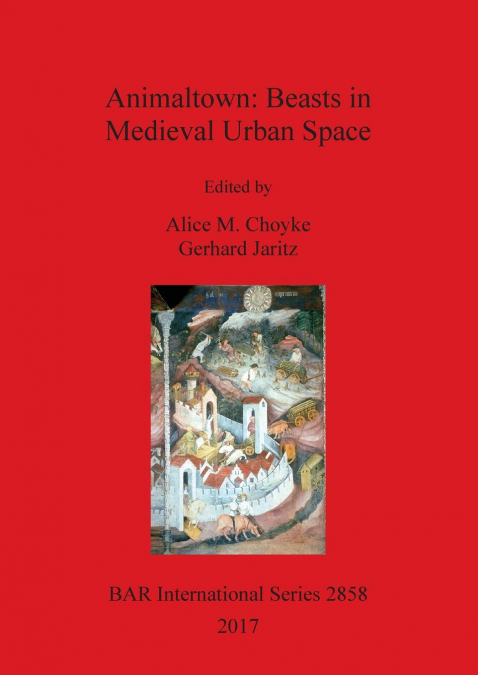
  • Animaltown
    Urban space constitutes a place where people and animals live together in close proximity with each other, creating changing landscapes of co-existence, conflict, mutual dependencies and exploitation. The medieval animals found in the articles of Animaltown: Beasts in Medieval Urban Space, appear in text and image, as well as archaeological find materials in the form of butcher...
    Disponible

    109,24 €

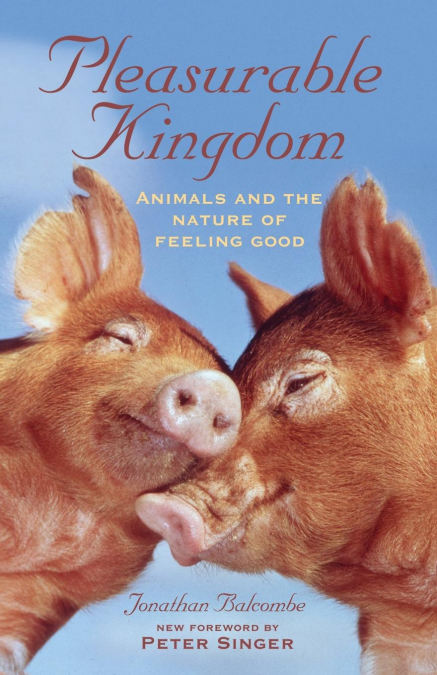
  • Pleasurable Kingdom
    Jonathan Balcombe
    Pleasurable Kingdom presents new evidence that animals--like humans--enjoy themselves. From birds to baboons, insects to iguanas, animals feel good thanks to play, sex, touch, food, anticipation, comfort, aesthetics, and more. Combining rigorous evidence, elegant argument and amusing anecdotes, leading animal behavior researcher Jonathan Balcombe shows that the possibility of p...
    Disponible

    18,96 €

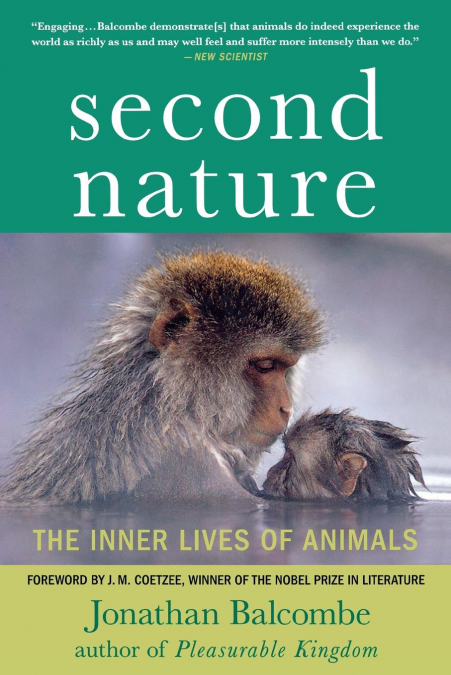
  • SECOND NATURE
    Jonathan Balcombe
    ...
    Disponible

    16,52 €

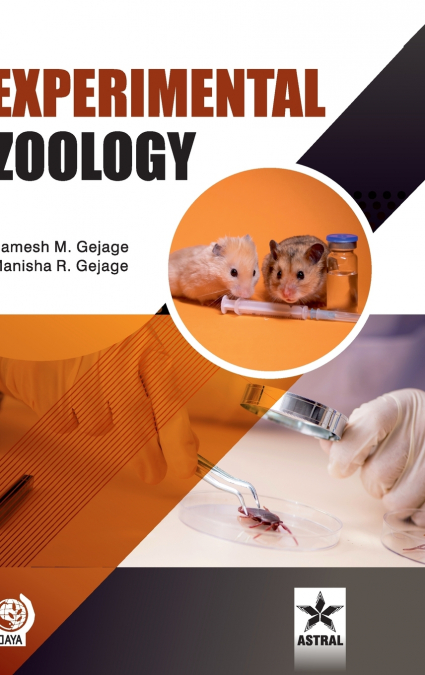
  • Experimental Zoology
    Manisha R Gejage / Ramesh M Gejage
    The goal of the book is to present the practical knowledge of Zoology. Animal diversity, venomous and non-venomous snakes, study of birds, brain of fowl and hyoid apparatus, sclerotic plates, pecten and collumella of fowl, scales of fishes, biochemical tests, activity of salivary amylase, estimation of total protein and lipid, DNA isolation and estimation of uric acid are given...
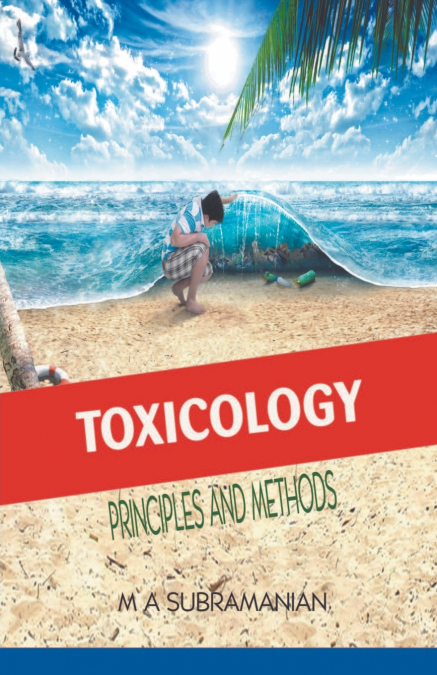
  • TOXICOLOGY
    M A SUBRAMANIAN
    In an era defined by burgeoning human populations, rampant industrialization, cutting-edge technological progress, and expanding urban landscapes, the integrity of our natural environment faces unprecedented challenges. The relentless march of progress has ushered in a flood of chemicals, seeping into the very fabric of our ecosystems and posing insidious threats to biological ...
    Disponible

    23,69 €

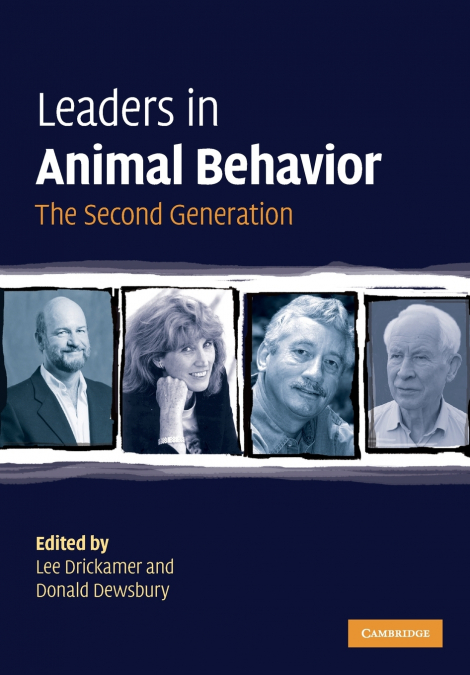
  • Leaders in Animal Behavior
    Donald Dewsbury / Lee Drickamer
    ...
    Disponible

    64,68 €

Otros libros del autor

  • Molecular Mechanisms for Repair of DNA
    Philip Hanawalt
    An 'age' has passed in the 40 years since we first observed recovery from radiation damage in irradiated bacteria. During the early 1930s, we had been discussing the possibility of rapid changes after radiation exposure with Farring­ ton Daniels, Benjamin Duggar, John Curtis, and others at the University of Wisconsin. After working with living cells, ...
    Disponible

    133,10 €