Microbial Cyclic Di-Nucleotide Signaling

Microbial Cyclic Di-Nucleotide Signaling


271,46 €
IVA incluido
Consulta disponibilidad
Editorial:
Springer Nature B.V.
Año de edición:
2020
Materia
Bioquímica
ISBN:
9783030333072

Selecciona una librería:

  • Librería Samer Atenea
  • Librería Aciertas (Toledo)
  • Kálamo Books
  • Librería Perelló (Valencia)
  • Librería Elías (Asturias)
  • Donde los libros
  • Librería Kolima (Madrid)
  • Librería Proteo (Málaga)

This book explores the broad and diverse biological and physiological impacts of established and newly discovered cyclic di-nucleotide second messenger signaling systems, while also providing descriptions of the intriguing biochemical characteristics of multiple turnover enzymes and receptors. The respective chapters discuss the commonalities and diversity of cyclic di-GMP, cyclic di-AMP and recently discovered cyclic GMP-AMP signaling systems in manifold Gram-negative and Gram-positive bacteria. The global human pathogens Mycobacterium tuberculosis, Vibrio cholerae, Salmonella typhimurium, Escherichia coli and Streptococcus pneumoniae, the facultative human pathogen Pseudomonas aeruginosa, global plant pathogens as exemplified by Xanthomonas campestris and Burkholderia spp., and the omnipresent probiotic Lactobacilli, as well as environmentally important photoautotrophic cyanobacteria, the multicellular Myxococcus xanthus, and chemolithotrophic Acidithiobacillus are among the representatives of the microbial kingdom that are described.In turn, the various aspects of bacterial physiology affected by these signaling systems- e.g. biofilm formation and dispersal, the cell cycle, motility, virulence, production of antimicrobials, fundamental metabolism and osmohomeostasis - are discussed in detail in the context of different microorganisms. Dedicated chapters focus on the population diversity of cyclic dinucleotide signaling systems, their tendency to be horizontally transferred, the cyclic di-GMP signaling system in the social amoeba Dictyostelium, honorary cyclic (di)nucleotides, and the development of strategies for interfering with cyclic dinucleotide signaling in order to manipulate microbial behavior.Taken together, the chapters provide an authoritative source of information for a broad readership: beginners and advanced researchers from various disciplines; individuals seeking a broad overview of cyclic di-nucleotide signaling; and those who want to learn more about specific aspects. Also featuring reviews with a forward-looking perspective, the book offers a valuable source of inspiration for future research directions.

Artículos relacionados

  • Implementation of Automated Urinary Sediment Analyzer UF1000
    Adriana Manuel
    Comparative work of Urinary Sediment between data obtained in automated platform, Roche UF 1000 flow cytometer versus the gold standard optical microscopy method. This work was carried out with raw data from known patients whose expected results allowed us to define the non-pathological sample parameters obtained in automated equipment. The experience was enriching, working wit...
    Disponible

    48,30 €

  • Bioprocess Technology
    I Arul Pandi / P T Kalaichelvan
    Dive into the dynamic world of Bioprocess Technology, where biology, engineering, materials science, and clinical procedures seamlessly converge to create a multidisciplinary marvel. In an era where innovation knows no bounds, Bioprocessing stands at the forefront, transcending boundaries to shape diverse facets of the biological landscape.This illuminating book is meticulously...
    Disponible

    45,13 €

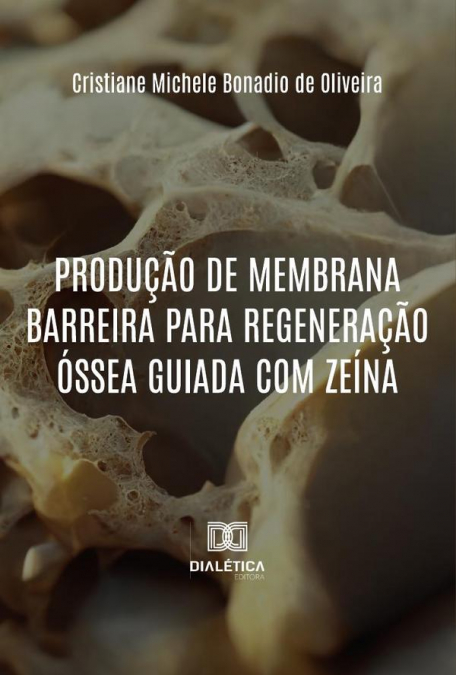
  • Produção De Membrana Barreira Para Regeneração Óssea Guiada Com Zeína
    Cristiane Michele Bonadio De Oliveira
    O Presente Estudo Desenvolveu Uma Membrana Com Proteína De Origem Vegetal Conhecida Por Zeína, Com Possibilidades Biodegradáveis Para Regeneração Óssea Guiada (Rog), Sendo Suas Particularidades Discutidas Ao Longo Do Trabalho. Para Melhor Entendimento A Respeito Do Tema, Serão Discutidos Alguns Conceitos E Definições Acerca Da Proteína E Da Rog. 10 ...
    Disponible

    17,16 €

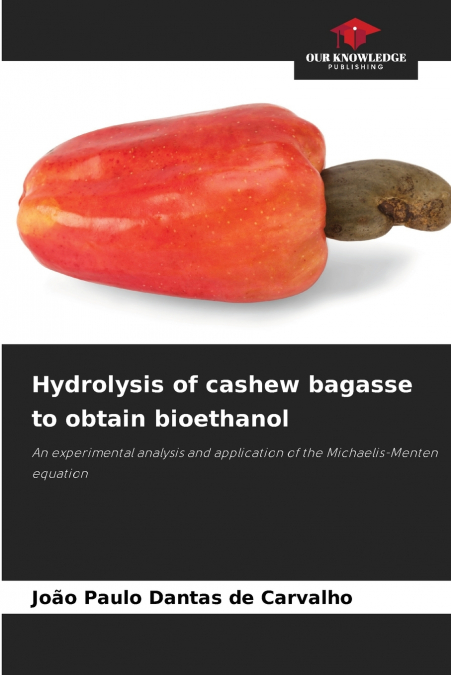
  • Hydrolysis of cashew bagasse to obtain bioethanol
    João Paulo Dantas de Carvalho
    Recently, the global demand for fuel ethanol has been expanding very rapidly, and almost all fuel ethanol is produced by fermenting sucrose in Brazil or corn glucose in the United States, but these raw materials will not be enough to satisfy international demand. Agro-industrial lignocellulosic residues, such as cashew bagasse, sugarcane bagasse, soybean hulls, etc., are abunda...
    Disponible

    54,32 €

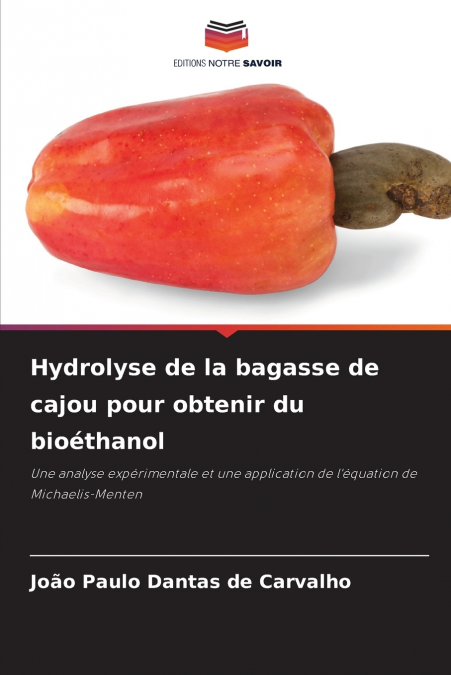
  • Hydrolyse de la bagasse de cajou pour obtenir du bioéthanol
    João Paulo Dantas de Carvalho
    Récemment, la demande mondiale d’éthanol-carburant a augmenté très rapidement, et presque tout l’éthanol-carburant est produit par fermentation de saccharose au Brésil ou de glucose de maïs aux États-Unis, mais ces matières premières ne suffiront pas à satisfaire la demande internationale. Les résidus lignocellulosiques agro-industriels, tels que la bagasse de cajou, la bagasse...
    Disponible

    54,38 €

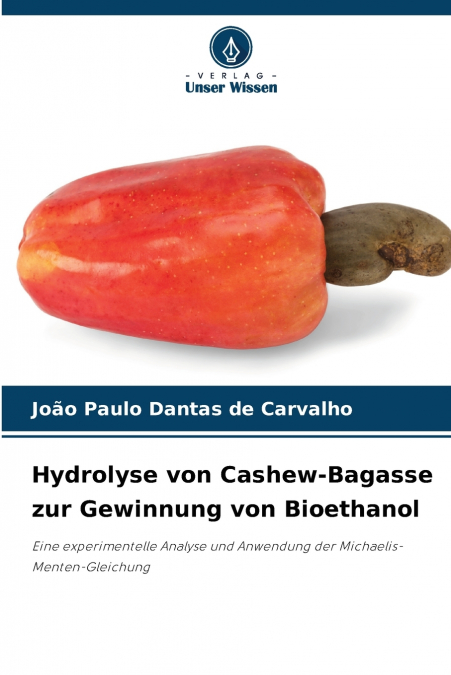
  • Hydrolyse von Cashew-Bagasse zur Gewinnung von Bioethanol
    João Paulo Dantas de Carvalho
    In letzter Zeit ist die weltweite Nachfrage nach Ethanol-Kraftstoff sehr schnell gestiegen, und fast der gesamte Ethanol-Kraftstoff wird durch die Fermentierung von Saccharose in Brasilien oder Maisglukose in den Vereinigten Staaten hergestellt, aber diese Rohstoffe reichen nicht aus, um die internationale Nachfrage zu decken. Agroindustrielle lignozellulosehaltige Rückstände w...
    Disponible

    54,38 €