Methods in Paleoethnobotany

Methods in Paleoethnobotany

Kim Minkoo

48,60 €
IVA incluido
Disponible
Editorial:
KS OmniScriptum Publishing
Año de edición:
2014
Materia
Filosofía occidental: antigua, hasta c. 500
ISBN:
9783659670305
48,60 €
IVA incluido
Disponible

Selecciona una librería:

  • Librería Samer Atenea
  • Librería Aciertas (Toledo)
  • Kálamo Books
  • Librería Perelló (Valencia)
  • Librería Elías (Asturias)
  • Donde los libros
  • Librería Kolima (Madrid)
  • Librería Proteo (Málaga)

Archaeological literature on prehistoric agriculture is often concerned with theoretical discussion than with the archaeobotanical data that have been analyzed to steer the discussion. Many books on prehistoric agriculture focus on high-level theories, while seemingly ’smaller’ questions regarding preservation, recovery, and identification of plant materials are only briefly addressed. This book discusses several technical questions with a special emphasis on the following four issues: (1) preservation conditions: what are the most common preservation conditions of cereal remains generally encountered at archaeological sites?; (2) morphological changes: what changes in shape do cereal remains undergo in different preservation conditions?; (3) identification methods: what methods have been used for the identification of cereal remains?; and finally (4) evidence of cultivation: what lines of evidence do paleoethnobotanists use to determine whether the identified cereal remains were cultivated?
Artículos relacionados

  • The Nature of Things
    Lucretius Lucretius
    De rerum natura (On the Nature of Things) is a 1st century BC didactic poem by the Roman poet and philosopher Lucretius with the goal of explaining Epicurean philosophy to a Roman audience. Lucretius presents the principles of atomism; the nature of the mind and soul; explanations of sensation and thought; the development of the world and its phenomena; and explains a variety o...
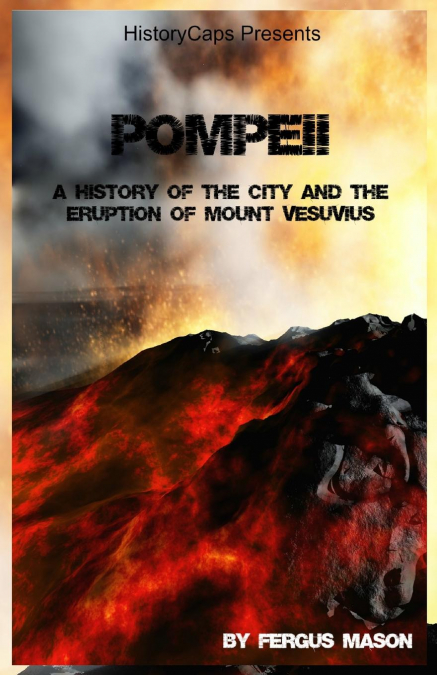
  • Pompeii
    Fergus Mason
    Pompeii was one of most advanced cities of its time; it had a complex water system, gymnasium, and an amphitheater. Despite it's advancements, there was one thing it wasn't ready for: Mount Vesuvius—the volcano that led to its ultimate doom.  The 79 AD eruption of Mount Vesuvius was one of the worst disasters in all of European history. In a near instant, over 15,000 p...
    Disponible

    10,36 €

  • Middle Platonism and Neoplatonism, Volume 1
    Stephen Gersh
    'It is generally agreed that those types of philosophy that are loosely called ’Platonic’ and ’Neoplatonic’ played a crucial role in the history of European culture during the centuries between antiquity and the Renaissance. However, until now no scholar has attempted to describe the evolution of these forms of thought in a single comprehensive academic study.' So writes Stephe...
  • Middle Platonism and Neoplatonism, Volume 2
    Stephen Gersh
    It is generally agreed that those types of philosophy that are loosely called 'Platonic' and 'Neoplatonic' played a crucial role in the history of European culture during the centuries between antiquity and the Middle Ages. However, until now no scholar has attempted to describe the evolution of these forms of thought in a single comprehensive academic study. Middle Platonism a...
  • Porphyry’s Commentary on Ptolemy’s Harmonics
    Andrew Barker
    ...
    Disponible

    77,17 €

  • The Roots of Platonism
    John Dillon
    ...
    Disponible

    25,29 €