
Menon - Über die Tugend

Menon - Über die Tugend

Platón

7,97 €
IVA incluido
Disponible
Editorial:
e-artnow
Año de edición:
2017
Materia
Filosofía: epistemología y teoría del conocimiento
ISBN:
9788026859482
7,97 €
IVA incluido
Disponible

Selecciona una librería:

  • Librería Samer Atenea
  • Librería Aciertas (Toledo)
  • Kálamo Books
  • Librería Perelló (Valencia)
  • Librería Elías (Asturias)
  • Donde los libros
  • Librería Kolima (Madrid)
  • Librería Proteo (Málaga)

Der Menon ist ein in Dialogform verfasstes Werk des griechischen Philosophen Platon. Den Inhalt bildet ein fiktives, literarisch gestaltetes Gespräch. Platons Lehrer Sokrates diskutiert mit dem vornehmen Thessalier Menon von Pharsalos, der sich vorübergehend in Athen aufhält, und mit dessen Gastgeber, dem Politiker Anytos. Außerdem nimmt zeitweilig ein Sklave Menons an dem Gespräch teil. Das Thema ist Menons Frage, ob Tugend erlernt oder eingeübt werden kann oder angeboren ist. Der gewöhnlich mit 'Tugend' übersetzte griechische Begriff aret? bezeichnet nicht nur eine moralisch wünschenswerte Haltung, sondern Tüchtigkeit und Vortrefflichkeit in einem weiten Sinn. Platon (428/427 v. Chr.-348/347 v. Chr.) war ein antiker griechischer Philosoph. Er war Schüler des Sokrates, dessen Denken und Methode er in vielen seiner Werke schilderte. Die Vielseitigkeit seiner Begabungen und die Originalität seiner wegweisenden Leistungen als Denker und Schriftsteller machten Platon zu einer der bekanntesten und einflussreichsten Persönlichkeiten der Geistesgeschichte.


Artículos relacionados

  • Vier Quellen Der Erkenntnis
    Ellis Potter
    Woher wissen wir etwas? Weil es ‚wissenschaftlich bewiesen‘ ist oder ‚in der Bibel steht‘ oder es ‚sich in mir einfach richtig und wahr anfühlt ‘? Wissen wir alles auf gleiche Weise? Passen unterschiedliche Wege der Erkenntnis zusammen in ein Leben und eine Wirklichkeit?In dieser kompakten Ausgabe, dem zweiten Teil einer Trilogie, zeigt der internationale Referent Ellis Potter ...
    Disponible

    12,44 €

  • Fichte’s 1804 Wissenschaftslehre
    Illuminating new essays on Fichte’s 1804 Wissenschaftslehre, or The Science of Knowing.Fichte’s 1804 Wissenschaftslehre, or The Science of Knowing, consists of a series of lectures he delivered in his Berlin home to members of the city’s political and cultural elite in 1804. The lectures mark a dramatic shift in the terminology and methodology he uses to explore the nature of k...
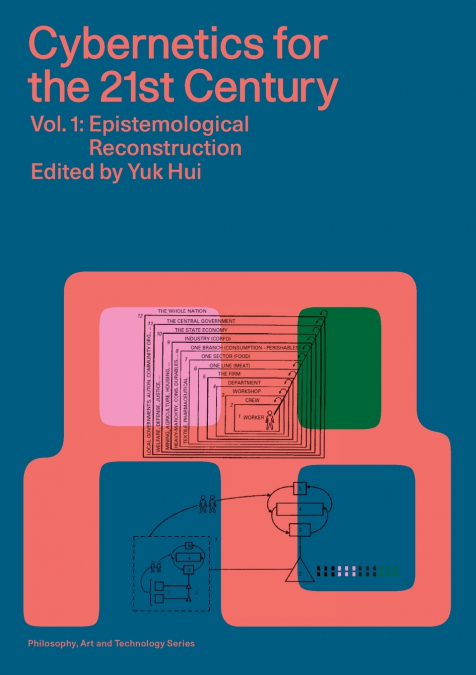
  • Cybernetics for the 21st Century Vol. 1
    Andrew Pickering / Katherine Hayles
    Cybernetics for the 21st Century Vol.1 is dedicated to the epistemological reconstruction of cybernetics, consisting of a series of historical and critical reflections on the subject - which according to Martin Heidegger marked the completion of Western metaphysics. In this anthology, historians, philosophers, sociologists and media studies scholars explore the history of cyber...
    Disponible

    20,84 €

  • Huellas de San Agustín en Kant
    Javier Narváez Arango
    El libro se desarrolla en tres partes. En la primera encontramos el tiempo, el espacio, el fenómeno, el númeno, las categorías, los juicios sintéticos a priori, el mundo, el alma y Dios, expuestos por Kant en la Crítica de la razón pura. En la segunda parte encontramos los mismos temas desde san Agustín, haciendo un paralelo, para mostrar las semejanzas entre estos autores, enc...
    Disponible

    9,31 €

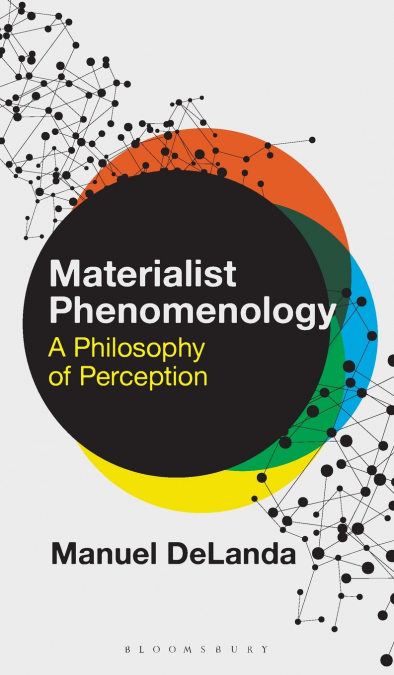
  • Materialist Phenomenology
    Manuel DeLanda
    Bringing together phenomenology and materialism, two perspectives seemingly at odds with each other, leading international theorist, Manuel DeLanda, has created an entirely new theory of visual perception. Engaging the scientific (biology, ecological psychology, neuroscience and robotics), the philosophical (idea of ’the embodied mind’) and the mathematical (dynamic systems the...
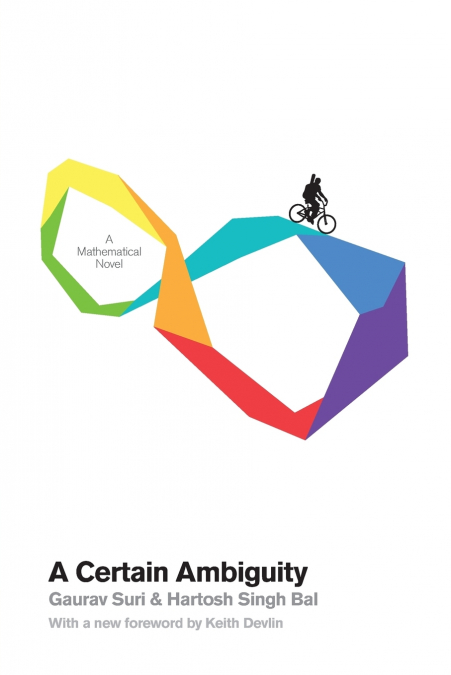
  • A Certain Ambiguity
    Gaurav Suri / Hartosh Singh Bal
    While taking a class on infinity at Stanford in the late 1980s, Ravi Kapoor discovers that he is confronting the same mathematical and philosophical dilemmas that his mathematician grandfather had faced many decades earlier--and that had landed him in jail. Charged under an obscure blasphemy law in a small New Jersey town in 1919, Vijay Sahni is challenged by a skeptical judge ...
    Disponible

    23,49 €

Otros libros del autor

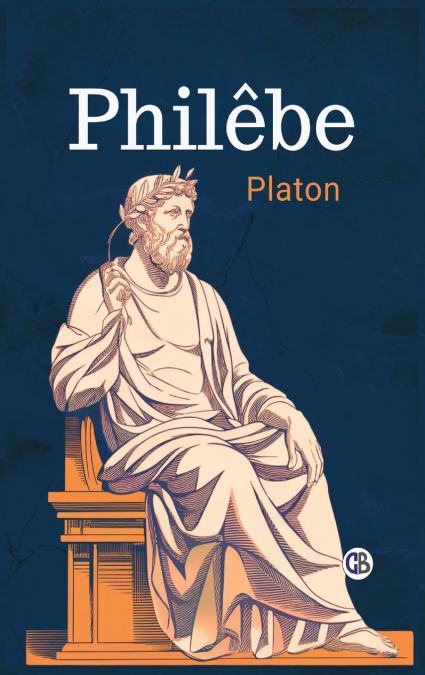
  • Philèbe
    Platon
    Dans le Philèbe, Platon aborde l’une des interrogations les plus anciennes et les plus fécondes de la philosophie : qu’est-ce que le souverain bien, et de quoi dépend la vie heureuse ? Le dialogue, conduit par Socrate en compagnie de Philèbe et de Protarque, met en balance le plaisir et le savoir comme candidats à la première place dans l’existence humaine. Mais la discussion d...
  • Philèbe
    Platon
    Dans le Philèbe, Platon aborde l’une des interrogations les plus anciennes et les plus fécondes de la philosophie : qu’est-ce que le souverain bien, et de quoi dépend la vie heureuse ? Le dialogue, conduit par Socrate en compagnie de Philèbe et de Protarque, met en balance le plaisir et le savoir comme candidats à la première place dans l’existence humaine. Mais la discussion d...
    Disponible

    6,05 €

  • Apología de sócrates Critón o del deber
    Platón
    Sócrates se ha situado en un derecho supra-positivo, el de la Filosofía, superior a todo otro derecho positivo, que le permite criticar al Estado, y orientar su desarrollo como Estado de Derecho. Proclama la Ética de la ley como camino del hombre hacia la libertad. Sócrates se yergue, poniendo en juego su misma vida, al haberse opuesto a los políticos sin ser un político, sino ...
    Disponible

    11,96 €

  • Ion
    Platon
    El presente escrito no pretende ser un estudio erudito, repleto de comentarios acerca de discusiones entre especialistas, ni pretende agotar las cuestiones en él abordadas. Simplemente tiene la intención de servir de ayuda al lector para la contextualización ycomprensión de algunos temas abordados por Platón en Ion. Este libro cuya traducción y comentarios son de autoría de Agu...
    Disponible

    19,24 €

  • El político
    Platon
    El Político es un dialogo entre Sócrates, el matemático Teodoro, un estudiante llamado Sócrates el Joven, y el Extranjero de Elea que expone las ideas del político. En este dialogo el autor hace un seguimiento de temas como el arte de gobernar, las formas de gobierno, el vínculo de los gobernantes y ley y la definición del político. ...
    Disponible

    17,95 €

  • Apología de Sócrates
    Platon
    Apología de Sócrates, diálogo compuesto entre 393 y 389 a.C., ofrece una versión de la defensa que hizo de sí mismo Sócrates frente al jurado de Atenas tras ser acusado de corromper a los jóvenes y despreciar a los dioses. El diálogo, perteneciente al ciclo platónico de obras socráticas o de juventud, además de rescatar el texto de la defensa ante el tribunal, constituye el elo...
    Disponible

    14,90 €